Success Arriving On the Back of a Horse

Saigon Diary: Jan 13th, 2026.
We’ve been back in Saigon for exactly a week now, in the space of which we’ve experienced pelting rain, pollution-clogged air, baking afternoon sun, and the coldest temperatures in ten years (17 degrees).

Over in Australia, where we spent Christmas, the country has seen some of the most prolific and deadly bushfires in recent memory.

In the UK, there was a cold snap this month, momentarily freezing not just people’s water pipes but their ability to go about their day-to-day business, hounded as they were by news outlets preaching Armageddon warnings about sealing windows and purchasing extra toilet paper.

The topic of the ‘the weather’ is a universal ice-breaker (pardon the double meaning) casually interrogated daily by everyone. And yet the signs couldn’t be clearer: we’re teetering on the edge of permanent humanitarian fragility.

These ever-mutating climate threats should be enough to alert us to the impending quagmire of turmoil that awaits us round the corner – country to country, there will be no exceptions – and we should be braced for more, not less, disruption. But we often pretend to ignore the symptoms (I’m guilty of doing that constantly).

Obviously the ability to survive in the future will largely tilt in favour of those with money.

If you’re reading this, then you’re already in the top echelons of society when it comes to being “comfortable”. Like me, you perhaps might “care” about climate change, but that isn’t going to stop you booking flights back to see your family in the holidays.

The current impacts of our warming planet are stark, and the issues chase at our heels like a snappy terrier.

The truth, of course, is that this pesky dog is easy enough to muzzle if you can afford it.

******************************
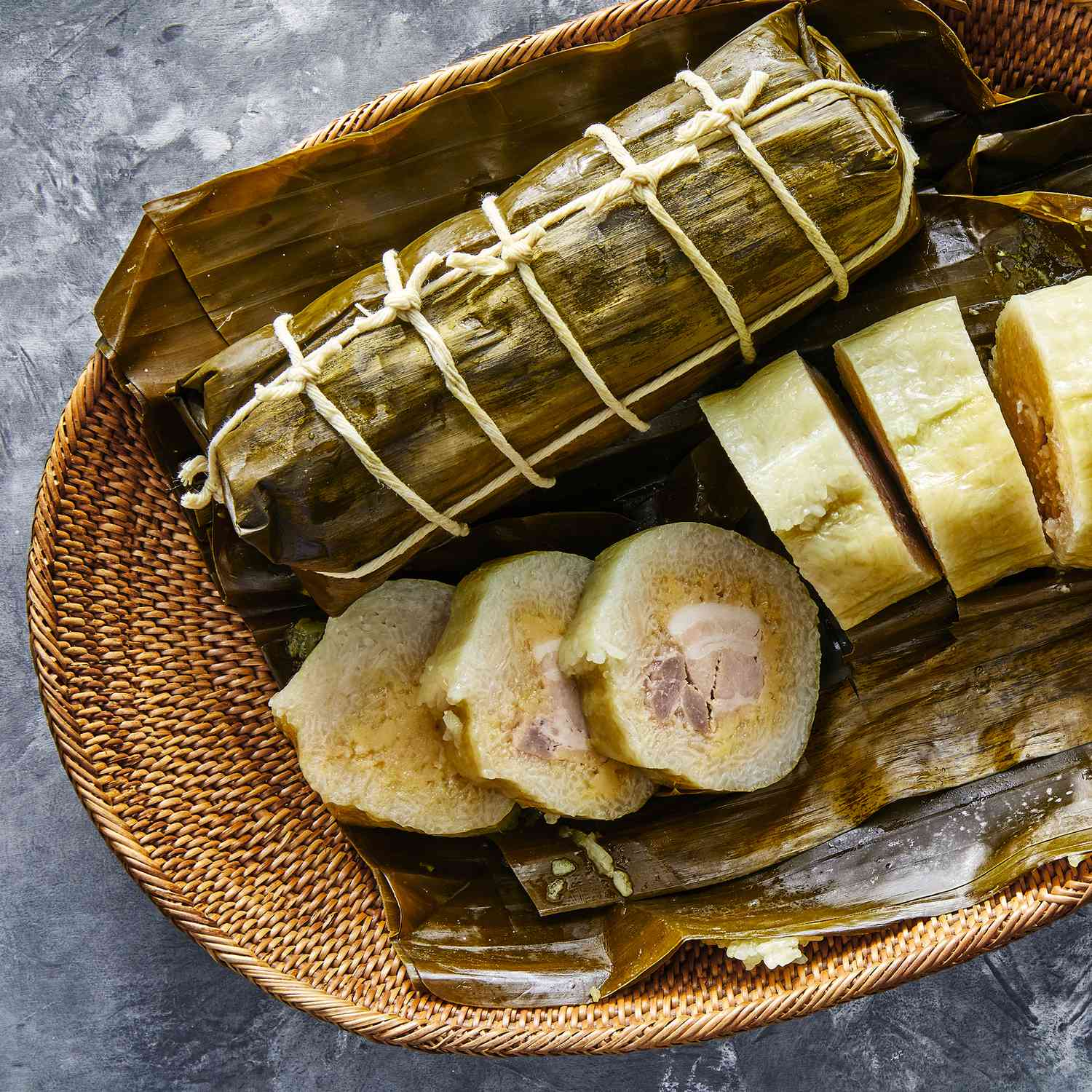
Meanwhile, Chinese New Year is approaching over in this part of the world, and the Vietnamese are in countdown already.

Office outputs across Saigon are running on the faintest wisps of enthusiasm, as locals traditionally use the western festive season as the starting pistol to their own run up to what they call ‘Tet’.

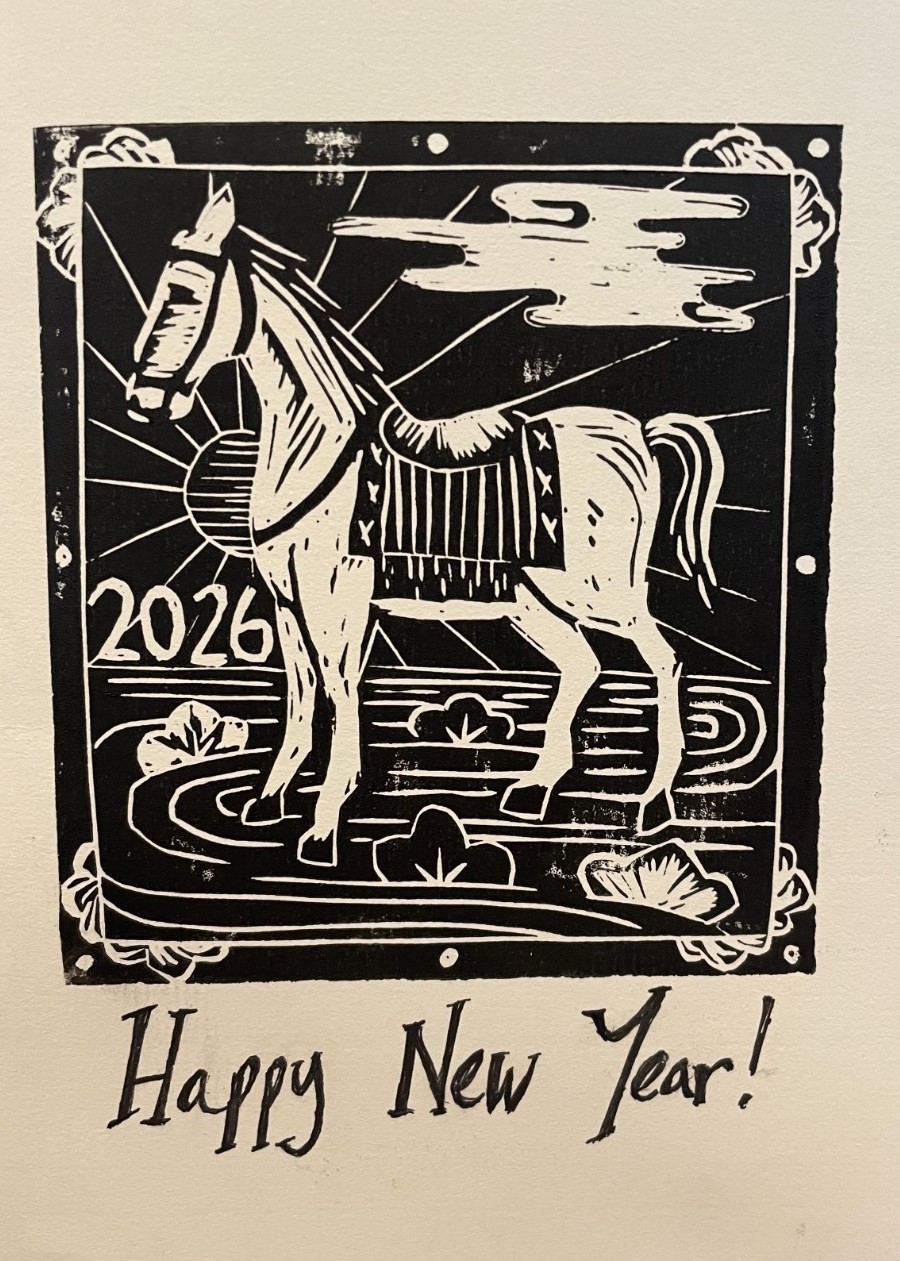
New Year’s Day this year is late – Feb 17th – and it’s also a fairly prestigious one (the Year of the Horse) which means the excitement and build-up to the event itself is extra punchy.

For the Chinese, the Horse symbolises strength and vitality – the saying goes that “success arrives on horseback”. That’s enough, by all accounts, to merit this particular year one of the more popular for having children. Hospitals and schools routinely re-organise their resources to accommodate this reality: more babies are born in an auspicious year, meaning more children going to school further down the line.

Much like how we traditionally herald in the birthday of Christ, Tet customs are anchored in family and in catering.

Where some of us celebrate annual turkey culling in time for December 25th (complete with other foods and drinks we simply don’t touch again for the following 364 days – Brussel sprouts, bread sauce, mince pies, Eggnog etc) over here during Tet there will be millions of sticky rice cakes, pickled vegetables and braised pork and eggs curated and consumed.

The locals will meticulously tidy their houses prior to New Year’s Eve, hand out “lucky money” to children, and spend time worshipping their ancestors.

In contrast, for most Brits anyway, attention to the tidiness of one’s house often slips for a week or so during Christmas. Instead, decorations clutter the walls, living rooms are carpeted in discarded wrapping paper, and emergency chairs, you didn’t even know your parents owned, are deployed to seat guests and “blow-in’s” who might materialise at the mere prospect of being offered mulled wine and a honey mustard chipolata on a cocktail stick.

******************************
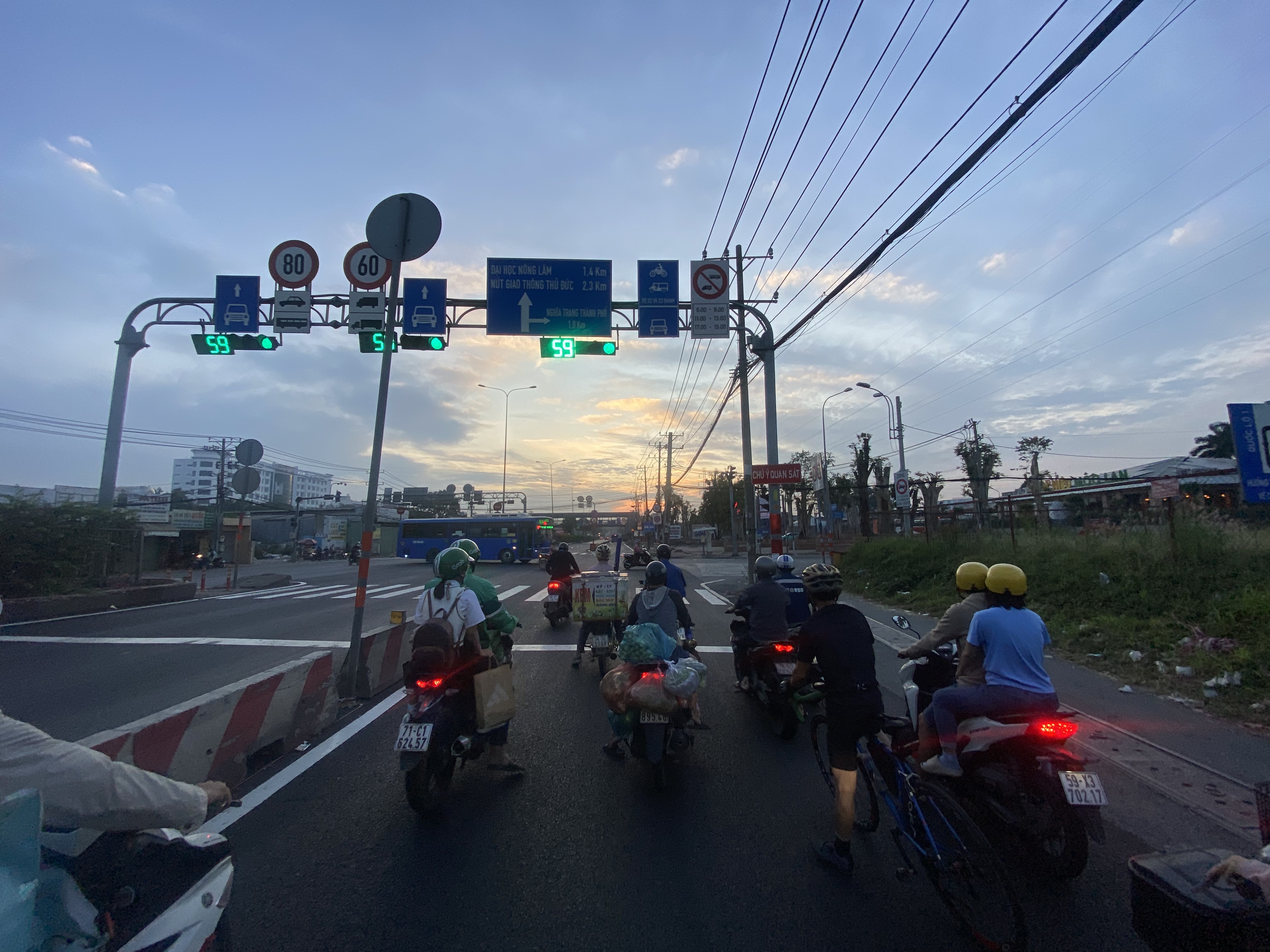
I’m fast approaching my fifteenth anniversary of living in Saigon, and in spite of a longing to be rugged up outside in the English cold, clutching my fingers round a hot drink while listening to carols and losing the feeling in my toes, the charm of Vietnam at this time of year oozes out of everyone you meet.

From shopkeeper to security guard, folks are mildly giddy at the prospect of Tet as it means they’ll also receive their “thirteenth month” bonus, will soon be spending time with their loved ones, and generally getting caught up in all the festivities.

As I think back to the mercurial weather we’ve had this last week, and look at the topologies of this country – the rising sea levels, the low-lying villages in the Mekong, the seasonal flooding up in the centre of Vietnam, and so on – it seems inevitable that any future solutions to safeguard communities to climate shocks are up against all odds.

There are simply too many vulnerable people in the country. There isn’t the infrastructure – yet – in place, nor the funds to fast-track technological solutions.

Which makes the act of celebration, on the national scale that Tet demands, all the more poignant.

This year, by hook or by crook (and while I can’t stop riding my spluttering motor-bike around town, and will inevitably end up flying here or there) I will endeavour to be more committed to supporting local organisations and efforts to turn learning into practice, when it comes to the environment.

Even if that, for today, is just to be writing about it and sharing my thoughts into the ether.

The organisations that are working on climate issues here are still nascent. But there are a growing number (I wrote about some of them in December who I met up north). They need more recognition and more funding. They need to collaborate wider.

If you would like to recommend any to me, or would be interested in learning more about those currently in operation, then drop me a line and I’d be happy to connect.

Until next time!
Living Planet

This week I spent three days up north in Ba Vi National Park for a work gig, facilitating a group of organisations preparing to launch a sizeable programme to support both local communities and local wildlife.

Several participants were environmental specialists and turned up with cameras boasting enormous zoom lenses in camouflage casings, plus tripods, binoculars, and the enthusiasm of people who know exactly what might be hiding in the next tree.

Our training room looked straight out over the forest canopy. Every so often we paused mid-discussion so one of the pros could point out a flash of wings, or rare birdsong drifting through our windows.

“What a privilege”, I offered to the group, for us all to be gifted that time together, and in those surroundings. And it really was.

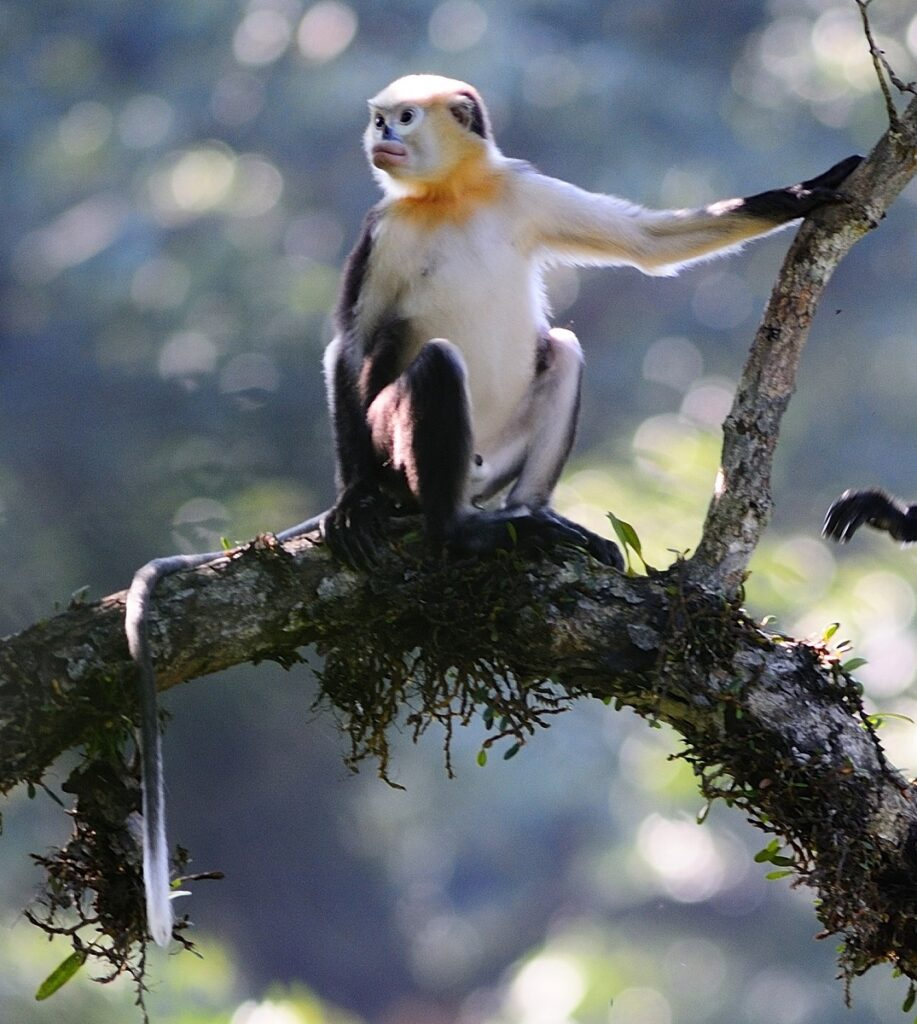
Vietnam, historically a place where biodiversity losses have been severe, has been investing far more in conservation in recent years. Some species here exist nowhere else on earth. The Tonkin snub-nosed monkey, for instance, lives on in a single province. The most recent census estimates around 250 adults remain.

One of our colleagues last week, from Flora and Fauna International, is a global orchid expert who has photographed 100,000 of them, and gives regular keynote speeches about orchids around the world.

He explained how local rangers and conservationists are fighting to protect the Tonkin. Hearing about the level of care, energy, and sheer patience involved was humbling and inspiring.

It also brought me back to a recurring question: just how would I describe Vietnam’s cultural relationship with animals after fifteen years living here?

It is, in truth, a study in contrasts.

On the one hand, conservation campaigns are growing, park systems are strengthening, and young people increasingly speak the language of biodiversity, sustainability, and stewardship.

On the other, daily life still carries a kind of blunt, transactional way about it.

The morning “wet” markets offer a menagerie of protein options. Fish are sold alive from tubs of water, and dispatched on the spot after being clattered with the back of a knife and scaled while still flapping, before being plopped into a plastic bag for the customer.

Frogs sit bound in twine, together in pairs, until sold, when they are abruptly sliced open and their skin pulled off like a wooly jumper being removed.

Every part of a pig is eaten. Colleagues of mine used to bring the ears to work for lunch. Once I’d overcame the mild shock of seeing a pig’s ear next to the sugar jar in the office kitchen, it dawned on me that there is something genuinely honourable in respectfully consuming all the parts of an animal.

In so many other scenarios around the world, millions of animals are treated inhumanely, week on week, slaughtered at industrial scale levels, their body parts packaged in aesthetically pleasing ways, and half of their carcasses thrown away.

And yet, emotional distance can drift into callousness, and there is still a rather cruel vibe to how certain animals are treated here – although, as always with cultural norms, one person’s cruelty is another’s everyday practicality.

I’ll never forget taking my friend Maude to dinner in 2012 at a rooftop BBQ in Saigon. I accidentally ordered a dish that involved a glass bowl of cold water being placed on a stove in the middle of our table, and a handful of live prawns being tossed in. As the water warmed to boiling temperatures and they began scrabbling at the sides, we found ourselves staring at the bowl in disbelief, even as other diners treated it as a normal Tuesday night.

The momentum toward conservation in Vietnam is tangible. New interventions now prioritise biodiversity and environmental guardianship in ways that simply weren’t part of development work fifteen years ago.

Being up in Ba Vi, especially knowing how severe Hanoi’s pollution has been lately, reminds one that nature is sacred – and that our newfound concern for ecological impact is, historically speaking, breathtakingly recent.

Maybe that’s why birdwatching is exploding globally. People want to admire something beyond themselves. They want a reason to look up in awe.

And yet our attention is fragile. Life distracts. Work distracts. Ego distracts. As I wrote last week on the anniversary of Rosa Parks’ arrest, we easily get tangled in our own “stuff” and lose sight of the bigger tapestry we’re part of – the birds, the bees, and each other.

On my flight back to Saigon this evening, I watched a documentary about David Attenborough’s life. As always, in admiration of the colossal effort he’s put in over sixty years to hold up this one truth – that we so willfully seem to forget – which is, very simply, that we’re living in unprecedented times.

To quote Attenborough:

“We are currently in the midst of the earth’s sixth mass extinction, one every bit as profound and far-reaching as the extinction of the dinosaurs.”

Watching the great man and orator in the documentary, mic-dropping as he has done at COP conferences, Davos, and the like for the past twenty years, was a timely reminder of how to better see the relationship we have with nature.

While climate change and global warming frame how we impact nature, of course it is our fragility, dependency and ultimately our sustainability which relies so heavily on the health of the natural world.

Each drop of water and gulp of air is because of nature, not government or big business. And each time another species sits on the brink of extinction, we are stepping that bit closer to the day when it will be our turn.

Shared agendas: the Rio+20 Conference

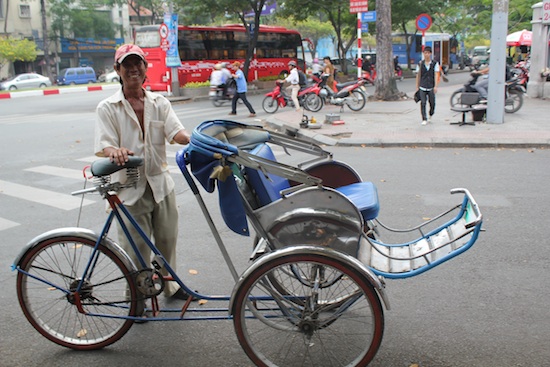
I enjoy the street banter in Saigon.  Cyclo drivers can be particularly fun.  They’ll spot you on the pavement, with family entourage in tow, and beckon you over to their rickety mobile contraption.

Jump on board, there’s room for all the family

Seemingly oblivious to your own counter gestures – where you shake your head and point incredulously to your two children, their buggies and the assortment of other luggage that you seem to have accumulated walking down the street – they will be undeterred, remaining all smiles and nods and encouraging hand gestures.

What I love is that you know, one way or another, that the guy would get you all on his cyclo if you gave him half the chance.  He’d make it work, despite the ludicrous sight that would unfold, and aside from the rather precarious health and safety minefield you’d be stepping into in the proceedings. Continue reading

Unseasonal weather…again

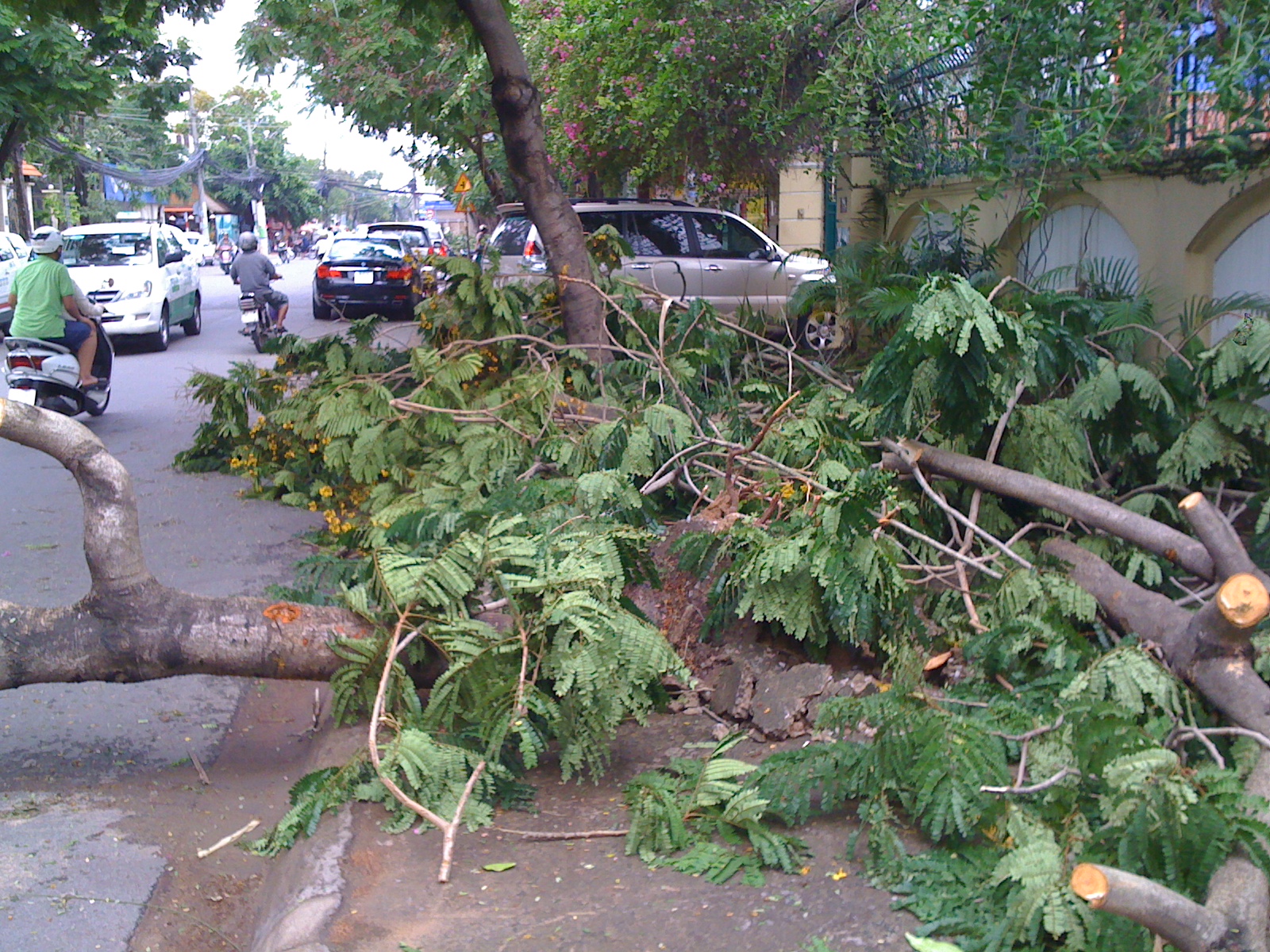
A cold snap is due across parts of the UK, days after freakish March heatwaves.  Over here in Saigon we woke up this morning to the aftermath of typhoon Pakhar, which passed through yesterday, several weeks prior to the normal monsoon season, and left many of our local streets looking something like this…

More than the usual pavement obstacles to navigate in Saigon this morning
Continue reading