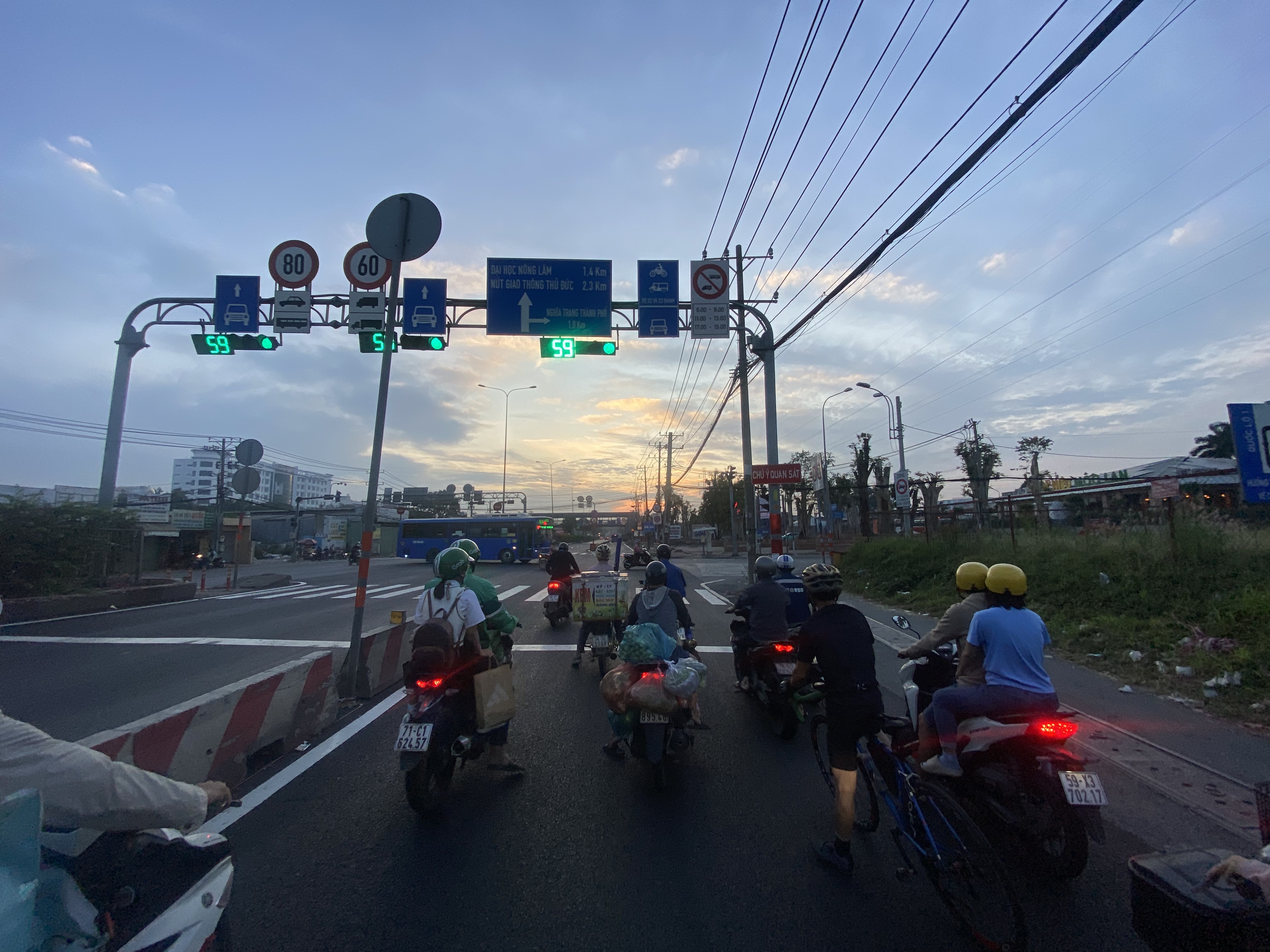
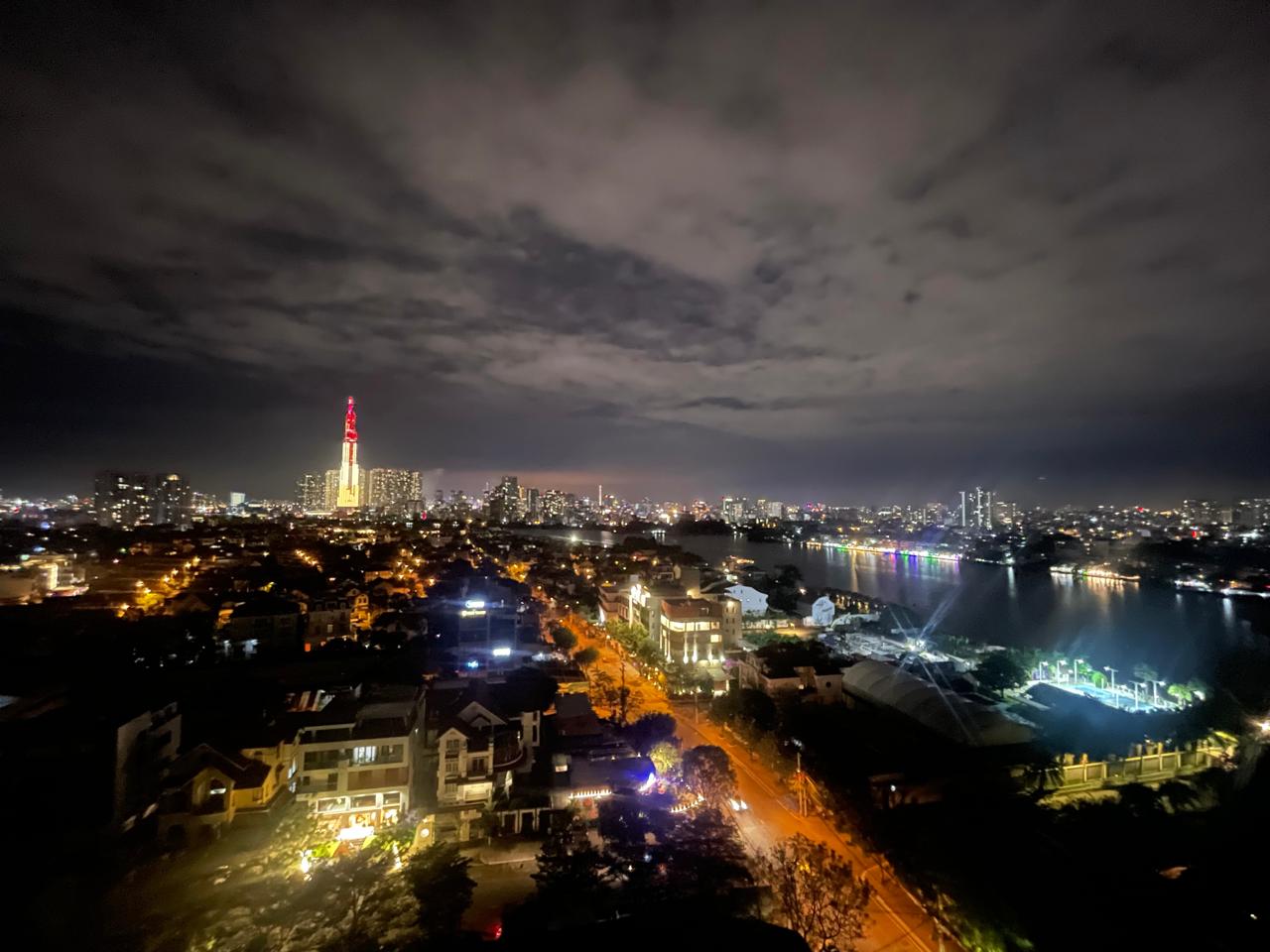
With the lunar new year just two weeks away, fireworks and festivities are being procured and arranged over here in Saigon, and the streets certainly feel livelier than normal.
This morning’s cool air is as fresh as we ever get to experience down in the south. Not the minus temperatures felt in other parts of the world, but a brief ‘Goldilocks’ period where the sun still shines, the breeze is almost cold, and the humidity abates. Not for long, mind you. But, it’s a welcome reprieve from the typically muggy, sweaty days spent avoiding the thick heat.
January is a reflection month for many, whether it arrives on the coattails of Christmas or, if you are Vietnamese, if it happens to be the month that hosts ‘Tet’ (Lunar New Year) celebrations.
Just as our cooler weather here momentarily provides a break from the norm, the ritual of Tet and the start of a new year mirror an instinct shared across cultures to begin afresh. It is a Tet tradition, for example, to spring clean your house and to pay off your debts, whilst containing your excitement at the prospect of receiving your year end bonus (an extra month’s salary.)
For those already a fortnight into 2025, ‘reflections’ on life are running amok over the internet. I read this morning, for instance, about the benefits of “mimicking hibernating” during the winter. We should slow things down, the article advises, and reboot.
If anything, for lots of people in “the west”, the hectic pace of life during December can be so relentless that, come Christmas, slowing down takes on a new dimension, as hoards of festive home comers almost immediately fall prey to fatigue, flu or the merry breakdown of over-used and depleted internal organs, the minute they slump in an armchair clutching a mince pie.
In the whirlwind of any major holiday, it is normal to feel that mix of exhaustion and exhilaration. It’s a universal rhythm, a reminder of both the joy and the effort it takes to celebrate life.
These rituals seem linked to our collective urge to reset and to reflect. Whether through meditation, or simply savoring small moments, we often seek out ways to reconnect with ourselves in the melee of everyday life.
Reflection itself is a valuable commodity, whether you are doubling down on it in January, or at other times of the year. It’s how we process the past and prepare for the future, and I suspect the practise of meditation itself becomes more popular the older one gets, for this very reason.
Once you have learnt how to meditate, I’ve heard it can be applied to other activities – washing the dishes, for example.
I’m currently trying to convince my daughters of this, in an attempt to make my invitations to them to take on a household chore be met with less eye-rolling, and to be treated more as a “short mental holiday” – a phrase I heard someone use.
On the occasions where such wisdom is not absorbed by my teenagers, I resort to threatening to dock their pocket money.
***************************************************************
As my kids have had weekly ‘mindfulness’ classes at school now for several years, I’ve half expected them to be advising me on the art of taking a short mental holiday.
When I was their age, mindfulness wasn’t taught in schools, because you magically created it for yourself. Aside from being sprawled on the carpet in front of the TV for hours on end, the rest of my childhood was probably about 90% “mindful”. We had a lot of time to kill just staring at things. Into the sky, out of car windows.
If we went on long car journeys, I recall, my brother and I would watch the rain droplets race each other across the car windows, as Dad sped up down the motorway.
And, if we’re playing that game, then when Britain’s first motorway – the M1 – was actually constructed, my father fondly remembers spending the day out with his parents, driving up and down it for the first time. Just for the experience.
Imagine choosing to drive up the M1 and back, just for the experience.
In many ways, it’s a reminder that, as children, we instinctively found wonder in the world around us. I think this can get eclipsed as a core skill, as we get older and inevitably become distracted with other things.
Valuing what we’re doing, as we do it, can therefore be surprisingly rewarding.
To listen, to breathe, to feel – these are all credible and affordable past-times, requiring no digital platforms, and no hash-tags. They’re small acts, but they create space for us to notice life as it unfolds, and also to pick up on the daily changes we experience, manifesting ever so slightly as they often do.
If January is a good time for a reset and to reflect, I’ve concluded that it helps to remember, too, that each day is unique. Today is the last day you’ll ever experience life exactly as you are now – your thoughts, feelings, and perspective will evolve tomorrow, even if only slightly.
We barely notice these changes from one breakfast sitting to the next, but change is happening – physiologically, mentally, spiritually. We might not realise it as a constant, but we’ve all had those moments – a photo, a memory, or a milestone – that remind us how far we’ve come.
In this way, I’m quite taken by the idea that we’re all works in progress, one day at a time.
To me, it doesn’t matter if you’re “better” tomorrow than you were yesterday, or not.
Being ‘better’ in different aspects of life is drummed into us (I suppose the opposite mantra doesn’t have quite the same appeal.) Rather than simply ‘better’ I think it helps to acknowledge being different today to how we were the day before. Even if you think that waking up and reaching for your phone felt pretty much the same this morning as it did yesterday, it isn’t.
Today will be the last day you show up, and the last day you feel, listen and breathe as exactly who you are today. Tomorrow is a different you. Your routine might remain the same, you might think you feel the same thoughts, and hold the same views, but you won’t.
***************************************************************
We’re all guilty of experiencing ‘FOMO’ – a fear of missing out – and I enjoyed reading a twist on this recently called ‘JOMO’ – the JOY of missing out.
That rush of relief at finding time being given back to you. Or, better still, proactively ensuring time for yourself is marked out. Saying “no” to things.
January, it could be argued, is peak JOMO territory for many people, given the lack of money and energy to actually go out and socialise in the first place.
FOMO in January? Of what?
I don’t think my FOMO will altogether disappear, now that I’ve discovered JOMO can be a worthy antidote to the constant pressures to do, to achieve, and to be everywhere at once.
JOMO, however, reminds us of the joy in stepping back, in letting go, and in savoring today. Because this day – this unique combination of who we are, what we feel, and how we see the world – will never come again.
And that is worth celebrating.

 saigonsays