
The first drops of rain from the tail of Typhoon Kalmeagi have just this afternoon started to fall in Saigon. We’ve been on high alert for 24 hours, after the government cancelled all after-school activities for four days.
In the end, the forecasters didn’t quite get it right for the south, as Kalmeagi smashed its way through parts of the centre of Vietnam last night, with no repercussions for us down here.
Photos from Quy Nhon, further up the coast, courtesy of a friend visiting there, show quite clearly that Kalmeagi meant business. An awfully high death-toll in the Philippines earlier in the week confirmed as much.
Our storm seasons out here are forever stretching in their longevity. The end of October used to be the marker for a switchover to drier times – but that is not our norm anymore.
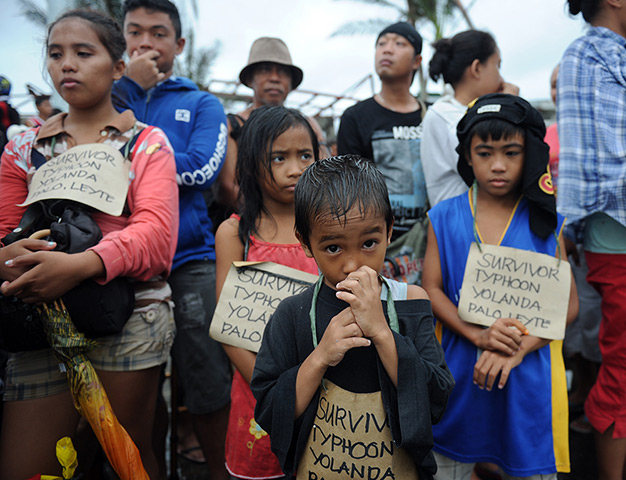
12 years ago to the day, a bunch of us flew into Manila, as Typhoon Haiyan was about to wreak havoc about 400kms away. In the end, Haiyan was one of the heaviest recorded storms on record. None of our crew were affected at all, but millions of Filipinos lost their livelihoods and many were killed.
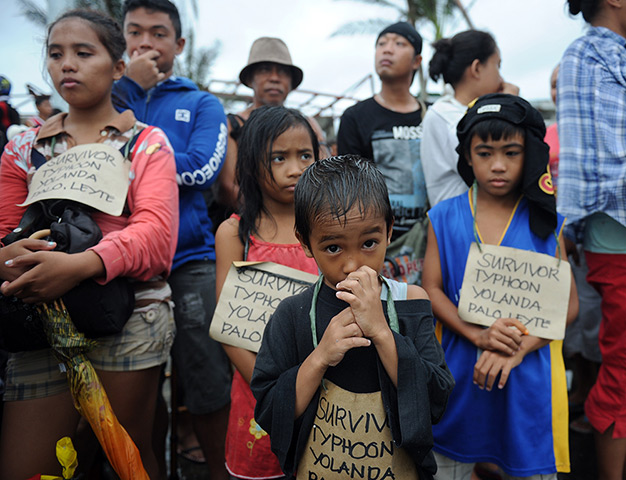
As I’ve previously documented, since living in Southeast Asia now for almost 15 years, it will never be possible to fully appreciate how fragile life out here is for the vast majority of Vietnamese, Filipinos, Cambodians, Laotians, and the many other countries nestled into this very special corner of the world.
Daily flooding in our local neighbourhood is already a constant source of disruption for many living in precarious structures, where floors fill with river water gushing up through the sewers at high tide. Let alone the damage they have to buffer when the monsoon rains slam down like stair-rods through their corrugated iron roofs.
Typhoons and cyclones take this destruction to the next level of suffering. The Boxing Day Tsunami in 2004 was one of the first times the world has seen in real-time just how scary the power of nature can be, particularly when up against frail infrastructure.
I took a train down from Colombo to Galle in Sri Lanka about six years after the tsunami, and heard stories of how hundreds Sri Lankans had run way from their beach dwellings and onto a stationary train, to seek cover from the wave, only to perish as the force of the ocean flipped the carriages over.
Here in Saigon, locals often seem to shrug off the perils of the weather – they are, instead, more preoccupied with making a living than they are of re-upholstering, again, their furniture and securing their belongings.

Over my years at CARE, learning about how solutions to protect communities from seasonal bad weather are designed and scaled, it does just feel like a never-ending saga for the billions combating some of the world’s most destructive natural disasters.
That saga could one day be softened if governments were to make high-level decisions about their collective stewardship of the environment. The world’s largest corporations could also have a more profound impact on the welfare of vulnerable communities, through tougher regulations and fairer access into markets for those currently excluded.
There are lots of moving parts to this, and much ground to yet be covered. The Boxing Day Tsunami was over twenty years ago and still the vulnerability of many millions seems ever increasing, along with the regularity at which these weather-based events are happening.
And, in the meantime, it is the resilience of local communities and the efforts of a small number of entities that continues to make the most life-changing daily and incremental improvements and adjustments to the lives of these communities.
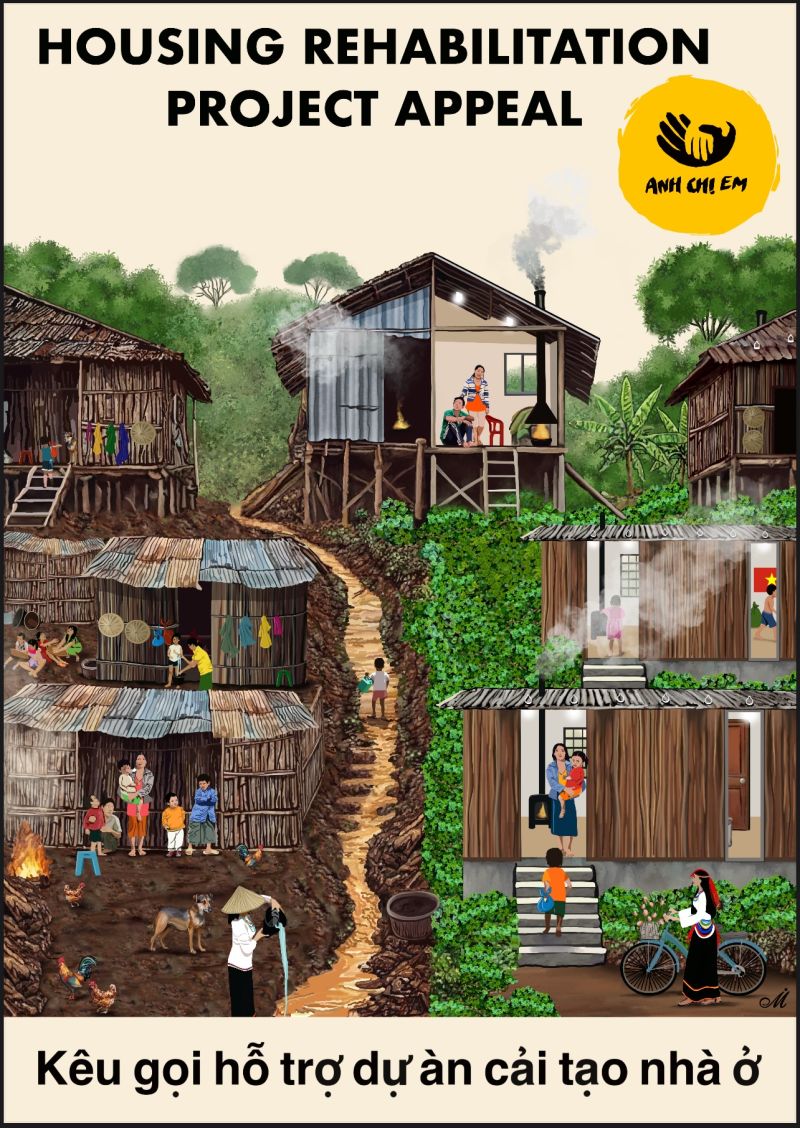
One entity here in Vietnam is called An Chị Em – which translates as “Brothers and Sisters”.
Their work is in the mountainous communities of Trà Bồng in Quảng Ngãi Province. They are a social-enterprise, set up by Colin Dixon, a long-term resident and friend, and their core mission is to partner with vulnerable communities facing economic, climate and infrastructure pressures.
They span emergency aid (responding when storms, floods or isolation hit), sustainable development (including clean water and housing upgrades) and education sponsorship (giving children whose families are marginalised the chance to stay.

An Chị Em are taking a local approach to finding solutions that ensure they are building back better: not just in terms of improved resilience, but also in terms of dignity. Better-built houses that resist seasonal storms, access to clean water so that time isn’t wasted fetching it, children freed from the burden of interruption when disaster strikes, and communities that are less exposed to the elements.
Their “brick by brick” approach in Trà Bồng as one small but powerful counterpoint to the anxieties of storm season. Their work can’t wait for government legislation, or private sector investments. They have to act now, and in each and every moment of tomorrow, and the day after.
I would urge you to take a look at their website (links above and below) and check out how you might get involved.
Thank you and have a safe weekend x
https://anhchiemvn.org/
 saigonsays