Living Planet

This week I spent three days up north in Ba Vi National Park for a work gig, facilitating a group of organisations preparing to launch a sizeable programme to support both local communities and local wildlife.

Several participants were environmental specialists and turned up with cameras boasting enormous zoom lenses in camouflage casings, plus tripods, binoculars, and the enthusiasm of people who know exactly what might be hiding in the next tree.

Our training room looked straight out over the forest canopy. Every so often we paused mid-discussion so one of the pros could point out a flash of wings, or rare birdsong drifting through our windows.

“What a privilege”, I offered to the group, for us all to be gifted that time together, and in those surroundings. And it really was.

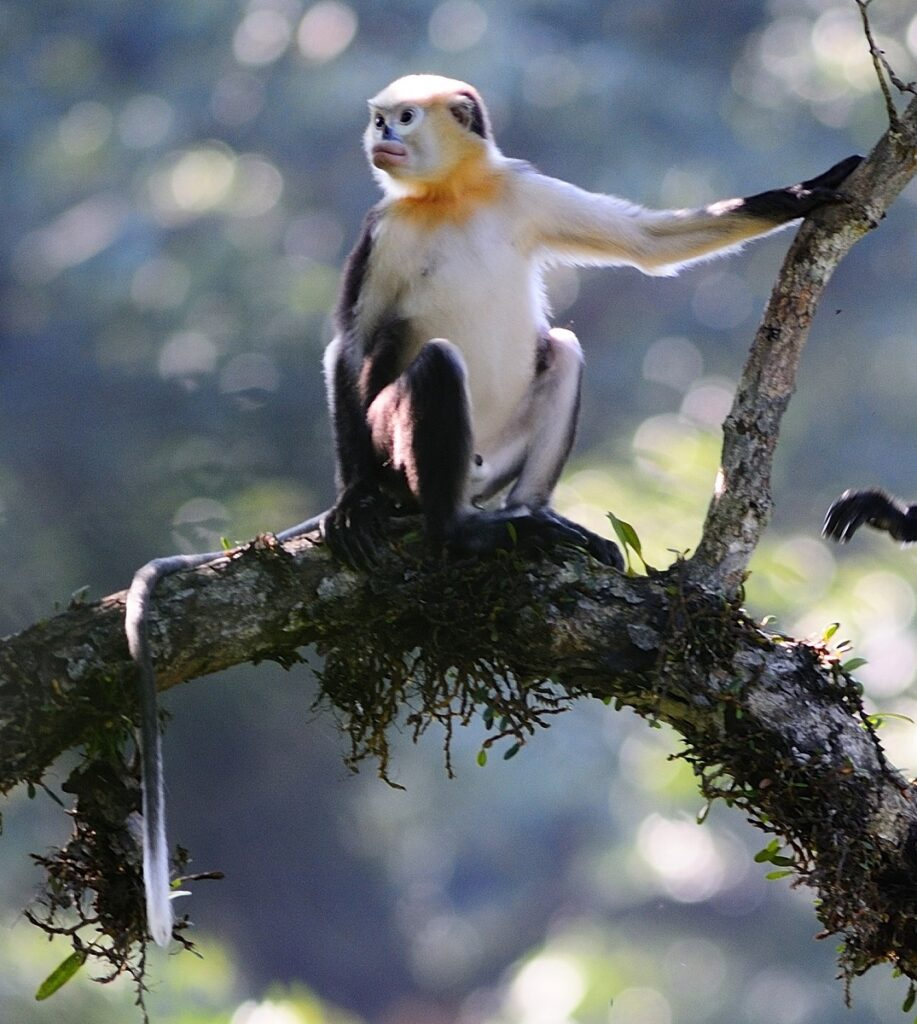
Vietnam, historically a place where biodiversity losses have been severe, has been investing far more in conservation in recent years. Some species here exist nowhere else on earth. The Tonkin snub-nosed monkey, for instance, lives on in a single province. The most recent census estimates around 250 adults remain.

One of our colleagues last week, from Flora and Fauna International, is a global orchid expert who has photographed 100,000 of them, and gives regular keynote speeches about orchids around the world.

He explained how local rangers and conservationists are fighting to protect the Tonkin. Hearing about the level of care, energy, and sheer patience involved was humbling and inspiring.

It also brought me back to a recurring question: just how would I describe Vietnam’s cultural relationship with animals after fifteen years living here?

It is, in truth, a study in contrasts.

On the one hand, conservation campaigns are growing, park systems are strengthening, and young people increasingly speak the language of biodiversity, sustainability, and stewardship.

On the other, daily life still carries a kind of blunt, transactional way about it.

The morning “wet” markets offer a menagerie of protein options. Fish are sold alive from tubs of water, and dispatched on the spot after being clattered with the back of a knife and scaled while still flapping, before being plopped into a plastic bag for the customer.

Frogs sit bound in twine, together in pairs, until sold, when they are abruptly sliced open and their skin pulled off like a wooly jumper being removed.

Every part of a pig is eaten. Colleagues of mine used to bring the ears to work for lunch. Once I’d overcame the mild shock of seeing a pig’s ear next to the sugar jar in the office kitchen, it dawned on me that there is something genuinely honourable in respectfully consuming all the parts of an animal.

In so many other scenarios around the world, millions of animals are treated inhumanely, week on week, slaughtered at industrial scale levels, their body parts packaged in aesthetically pleasing ways, and half of their carcasses thrown away.

And yet, emotional distance can drift into callousness, and there is still a rather cruel vibe to how certain animals are treated here – although, as always with cultural norms, one person’s cruelty is another’s everyday practicality.

I’ll never forget taking my friend Maude to dinner in 2012 at a rooftop BBQ in Saigon. I accidentally ordered a dish that involved a glass bowl of cold water being placed on a stove in the middle of our table, and a handful of live prawns being tossed in. As the water warmed to boiling temperatures and they began scrabbling at the sides, we found ourselves staring at the bowl in disbelief, even as other diners treated it as a normal Tuesday night.

The momentum toward conservation in Vietnam is tangible. New interventions now prioritise biodiversity and environmental guardianship in ways that simply weren’t part of development work fifteen years ago.

Being up in Ba Vi, especially knowing how severe Hanoi’s pollution has been lately, reminds one that nature is sacred – and that our newfound concern for ecological impact is, historically speaking, breathtakingly recent.

Maybe that’s why birdwatching is exploding globally. People want to admire something beyond themselves. They want a reason to look up in awe.

And yet our attention is fragile. Life distracts. Work distracts. Ego distracts. As I wrote last week on the anniversary of Rosa Parks’ arrest, we easily get tangled in our own “stuff” and lose sight of the bigger tapestry we’re part of – the birds, the bees, and each other.

On my flight back to Saigon this evening, I watched a documentary about David Attenborough’s life. As always, in admiration of the colossal effort he’s put in over sixty years to hold up this one truth – that we so willfully seem to forget – which is, very simply, that we’re living in unprecedented times.

To quote Attenborough:

“We are currently in the midst of the earth’s sixth mass extinction, one every bit as profound and far-reaching as the extinction of the dinosaurs.”

Watching the great man and orator in the documentary, mic-dropping as he has done at COP conferences, Davos, and the like for the past twenty years, was a timely reminder of how to better see the relationship we have with nature.

While climate change and global warming frame how we impact nature, of course it is our fragility, dependency and ultimately our sustainability which relies so heavily on the health of the natural world.

Each drop of water and gulp of air is because of nature, not government or big business. And each time another species sits on the brink of extinction, we are stepping that bit closer to the day when it will be our turn.

Against All Odds – An Chị Em’s Work in Vietnam

The first drops of rain from the tail of Typhoon Kalmeagi have just this afternoon started to fall in Saigon. We’ve been on high alert for 24 hours, after the government cancelled all after-school activities for four days.

In the end, the forecasters didn’t quite get it right for the south, as Kalmeagi smashed its way through parts of the centre of Vietnam last night, with no repercussions for us down here.

Photos from Quy Nhon, further up the coast, courtesy of a friend visiting there, show quite clearly that Kalmeagi meant business. An awfully high death-toll in the Philippines earlier in the week confirmed as much.

Our storm seasons out here are forever stretching in their longevity. The end of October used to be the marker for a switchover to drier times – but that is not our norm anymore.

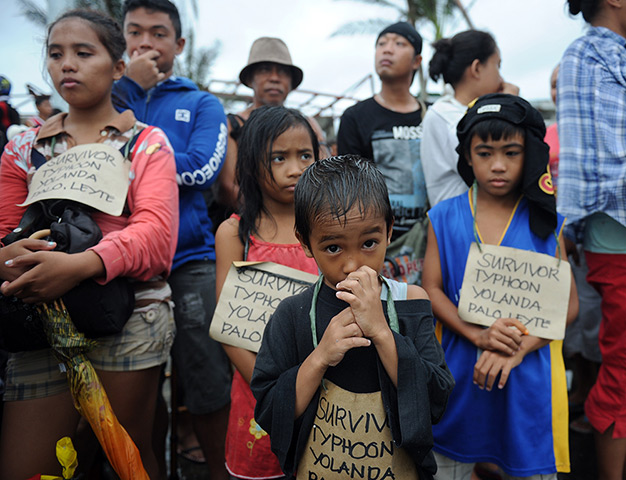
12 years ago to the day, a bunch of us flew into Manila, as Typhoon Haiyan was about to wreak havoc about 400kms away. In the end, Haiyan was one of the heaviest recorded storms on record. None of our crew were affected at all, but millions of Filipinos lost their livelihoods and many were killed.

As I’ve previously documented, since living in Southeast Asia now for almost 15 years, it will never be possible to fully appreciate how fragile life out here is for the vast majority of Vietnamese, Filipinos, Cambodians, Laotians, and the many other countries nestled into this very special corner of the world.

Daily flooding in our local neighbourhood is already a constant source of disruption for many living in precarious structures, where floors fill with river water gushing up through the sewers at high tide. Let alone the damage they have to buffer when the monsoon rains slam down like stair-rods through their corrugated iron roofs.

Typhoons and cyclones take this destruction to the next level of suffering. The Boxing Day Tsunami in 2004 was one of the first times the world has seen in real-time just how scary the power of nature can be, particularly when up against frail infrastructure.

I took a train down from Colombo to Galle in Sri Lanka about six years after the tsunami, and heard stories of how hundreds Sri Lankans had run way from their beach dwellings and onto a stationary train, to seek cover from the wave, only to perish as the force of the ocean flipped the carriages over.

Here in Saigon, locals often seem to shrug off the perils of the weather – they are, instead, more preoccupied with making a living than they are of re-upholstering, again, their furniture and securing their belongings.

Over my years at CARE, learning about how solutions to protect communities from seasonal bad weather are designed and scaled, it does just feel like a never-ending saga for the billions combating some of the world’s most destructive natural disasters.

That saga could one day be softened if governments were to make high-level decisions about their collective stewardship of the environment. The world’s largest corporations could also have a more profound impact on the welfare of vulnerable communities, through tougher regulations and fairer access into markets for those currently excluded.

There are lots of moving parts to this, and much ground to yet be covered. The Boxing Day Tsunami was over twenty years ago and still the vulnerability of many millions seems ever increasing, along with the regularity at which these weather-based events are happening.

And, in the meantime, it is the resilience of local communities and the efforts of a small number of entities that continues to make the most life-changing daily and incremental improvements and adjustments to the lives of these communities.

One entity here in Vietnam is called An Chị Em – which translates as “Brothers and Sisters”.

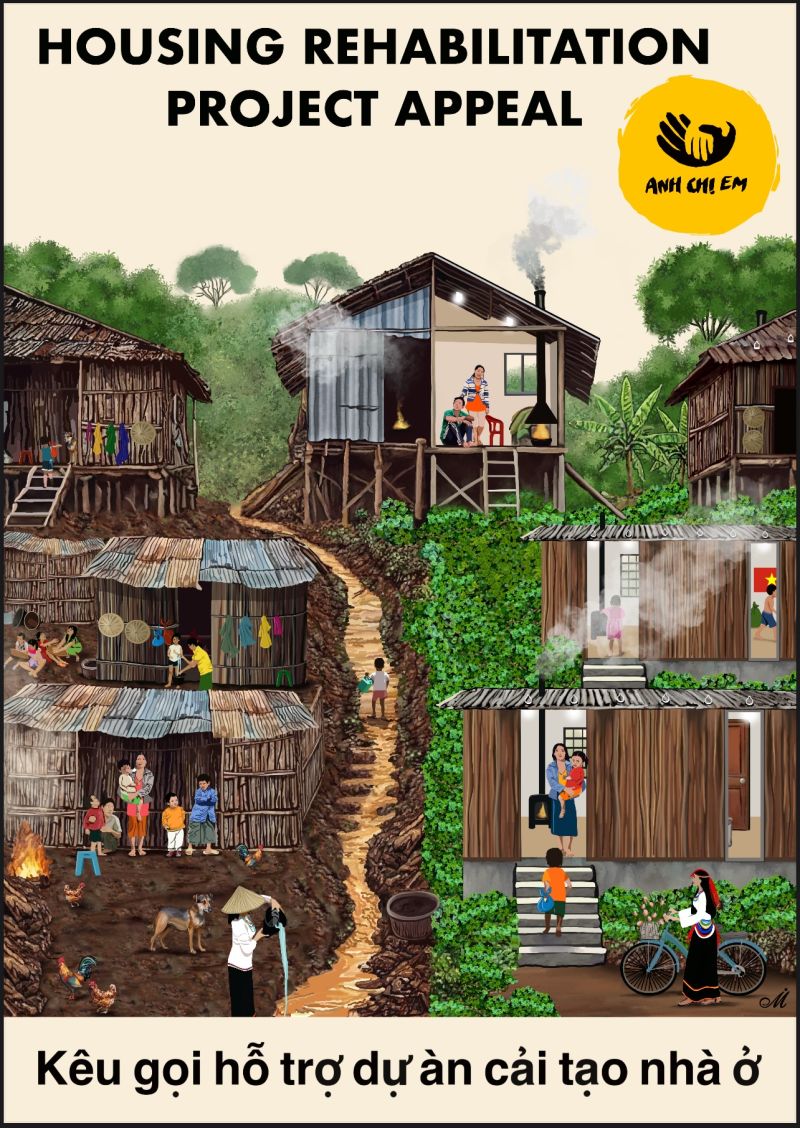
Their work is in the mountainous communities of Trà Bồng in Quảng Ngãi Province. They are a social-enterprise, set up by Colin Dixon, a long-term resident and friend, and their core mission is to partner with vulnerable communities facing economic, climate and infrastructure pressures.

They span emergency aid (responding when storms, floods or isolation hit), sustainable development (including clean water and housing upgrades) and education sponsorship (giving children whose families are marginalised the chance to stay.

An Chị Em are taking a local approach to finding solutions that ensure they are building back better: not just in terms of improved resilience, but also in terms of dignity. Better-built houses that resist seasonal storms, access to clean water so that time isn’t wasted fetching it, children freed from the burden of interruption when disaster strikes, and communities that are less exposed to the elements.

Their “brick by brick” approach in Trà Bồng as one small but powerful counterpoint to the anxieties of storm season. Their work can’t wait for government legislation, or private sector investments. They have to act now, and in each and every moment of tomorrow, and the day after.

I would urge you to take a look at their website (links above and below) and check out how you might get involved.

Thank you and have a safe weekend x

Born on the Edge of History

I came into the world a bit tangled, with the umbilical cord wrapped tight around my neck, gasping for air. My first act then being to terrify my parents, before nurses whisked me off to the emergency room.

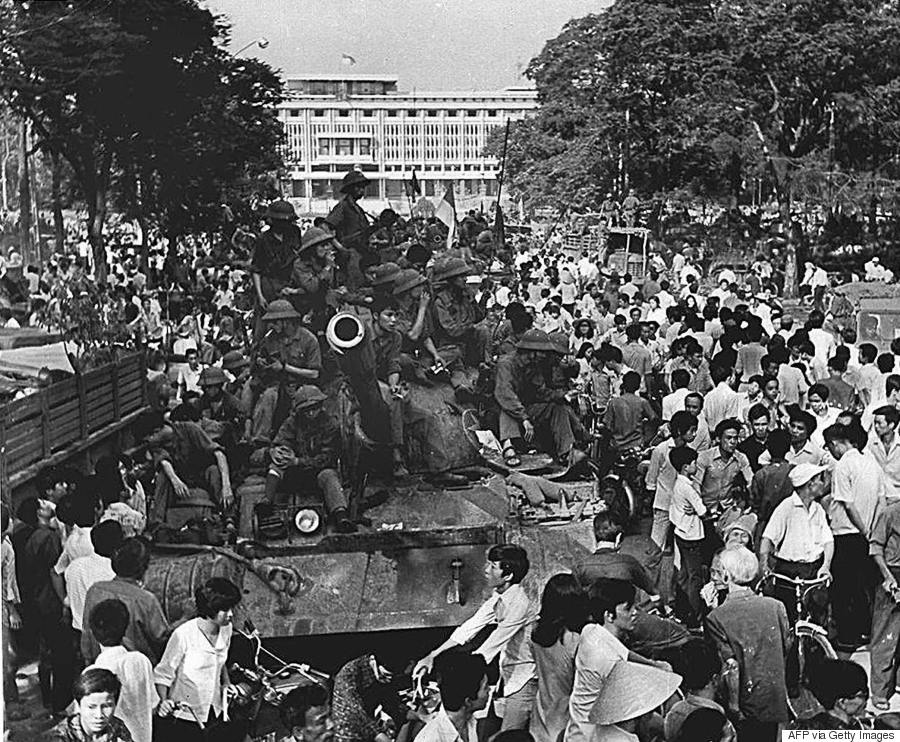
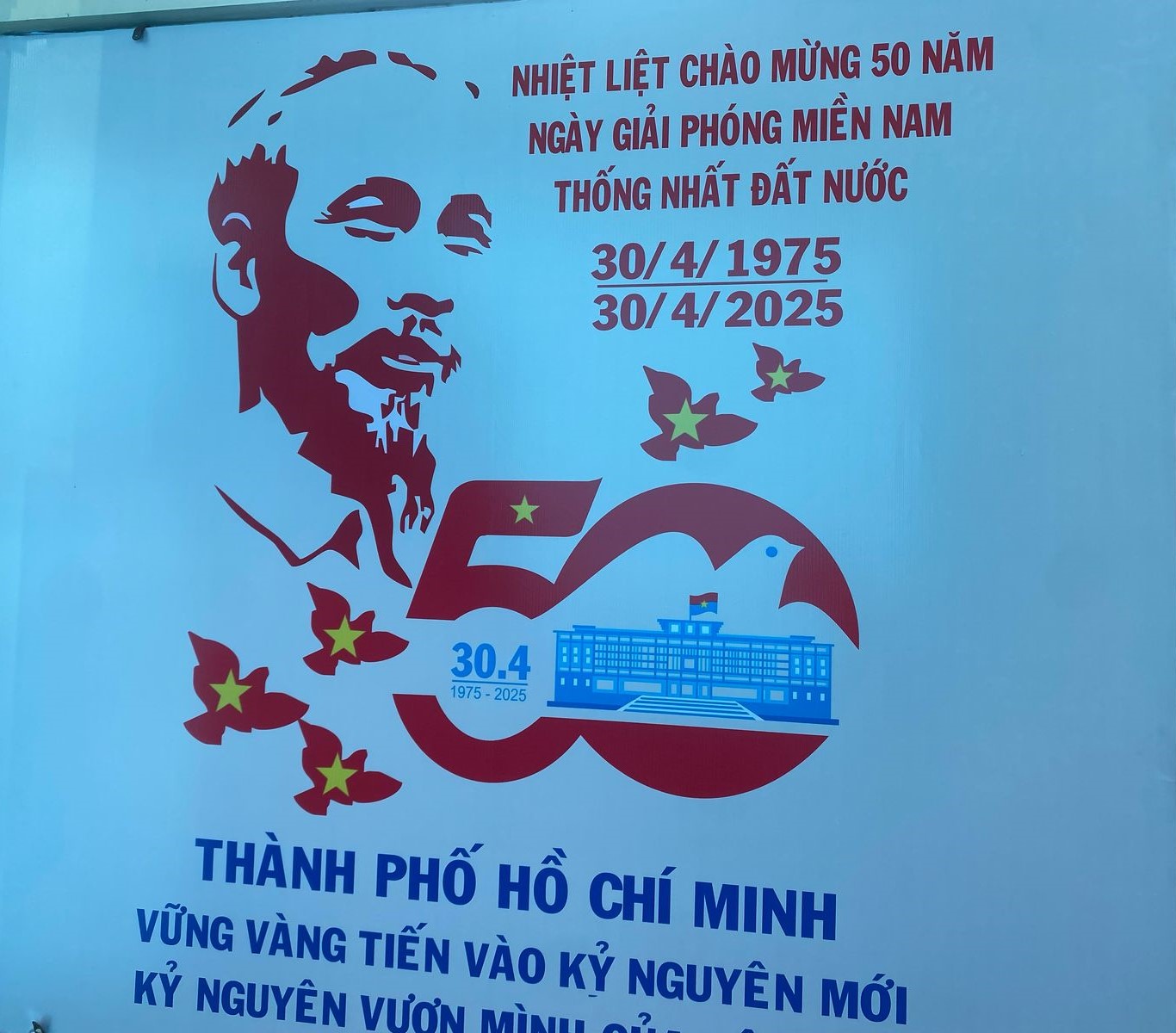
Three days later, I was issued a birth certificate. It was dated 30th April, 1975 — the official date of the end of the American-Vietnam War.

Up until quite recently, I would have had a hard time confidently locating Vietnam on a map. I didn’t grow up thinking much about it, and was too young to have witnessed the street marches and anti-war protesting. Vietnamese cuisine (now found on plenty of city corners the world over) hadn’t reached UK high streets in the 70’s and 80’s.

For me, the story of that War was told through watching Hollywood movies, rather than it unraveling in real time as it had for my parents, in pixelated black and white TV footage of American GIs and the devastation caused by Agent Orange.

Vietnam, therefore, never felt personal to me, as I meandered through my twenties and half my thirties working for non-profit organisations in London dreaming, instead, of returning one day to Africa.

Fast forward to 2009 and 2010, and I took a few work trips with CARE International to Laos, Cambodia and then to Thailand. Visiting projects and speaking at conferences. My first real immersion into a part of Asia that was soon to become my home.

By February 2011 I’d arrived in Saigon on an 18-month secondment. We chose a kindergarten for our two-and-a-half-year-old daughter, Florence, the day after landing and had picked out an apartment — in ‘River Garden’ — by the end of the first week.

Fourteen years on, and Flo is about to sit her GCSEs out here, while her younger sister, Martha, spent last week performing in a high school musical.

I re-married just before the outbreak of COVID-19, and me, Issy and the girls enjoyed seven years living in our family home, not far from where I’m writing this now.

In February 2023, we moved back into River Garden. We’d come full circle.

On the pages of this blog site, I’ve tried to capture the ups and downs, the ingrained moments and experiences, that living in Vietnam has scored into the archives of our memories. This is my 160th post on Saigonsays.

Some days, I still marvel at how a temporary posting turned into a life. How the place I’d never imagined for myself became the very platform from which I’ve launched myself, day after day, for so many years.

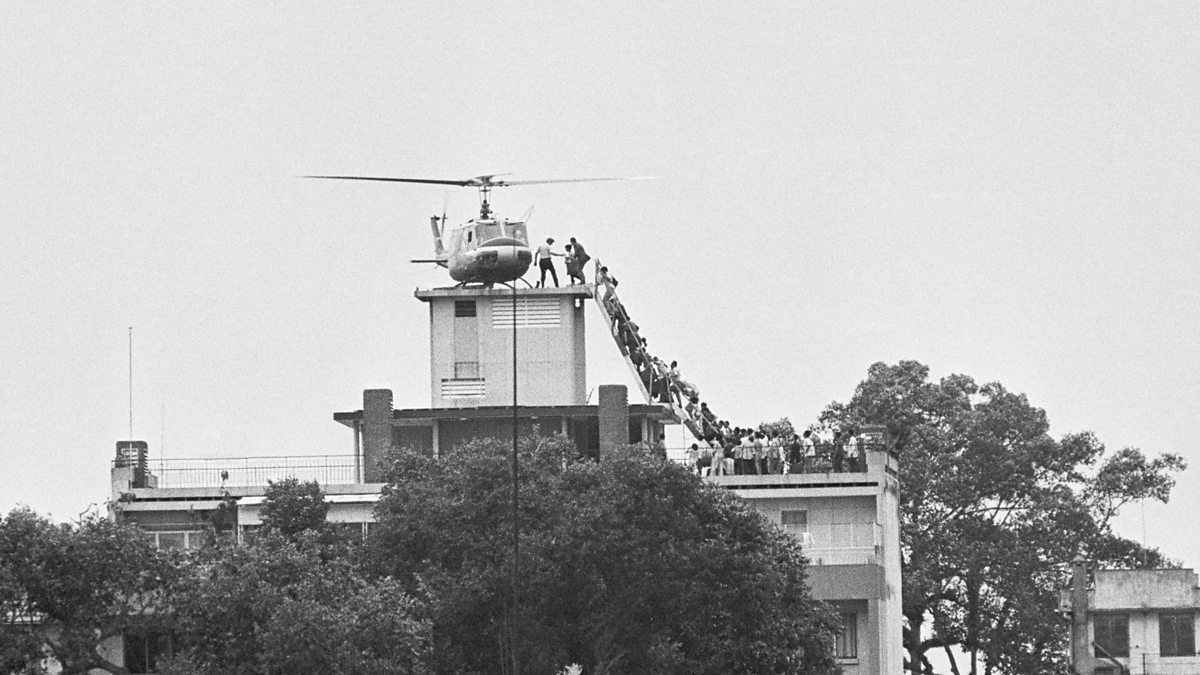
I wonder about those last American helicopters, pitching off what is now called “The Reunification Palace”, taking their passengers to begin the next stage of their lives while, many miles away in England, I would have been sleeping, my breathing finally calmed, curled up in the safety of my mother’s arms.

Over the past week, outside our 15th floor apartment windows, we’ve watched configurations of helicopters and fighter jets have been marauding around the perimeter of the city. Red flags, with the single yellow star motif, dangling below the whirring blades. These rehearsals have been going on for some time, intensifying day by day in the run up to Wednesday’s celebrations.

Last weekend, I ran through the central business district dotted with shiny red and gold floats with large posters of Ho Chi Minh hoisted high, waiting for the upcoming parades. There have been ongoing road closures, as thousands of participants are expected at the various pop-up arenas currently under construction.

Since 1975, Vietnam has become one of Asia’s most dynamic growth stories. Once reliant on rice and textiles, the country now exports everything from coffee and cashews to smartphones and semiconductors.

Industrial zones hum with activity, and foreign investment flows in through tech giants, auto manufacturers, and even renewable energy start-ups. In spite of the many immediate post-war years of poverty and crisis, it has emerged economically vibrant, particular since the US embargo was lifted in 1994.

Vietnam makes things now. And sells them to the world.

Ho Chi Minh City (still “Saigon” to many) has been a city in flux ever since I arrived. Construction cranes swing over tangled power lines. Glass skyscrapers rise beside crumbling French villas and wartime relics. The city’s long-promised metro line opened at Christmas and, so far, seems to have a steady footfall of passengers.

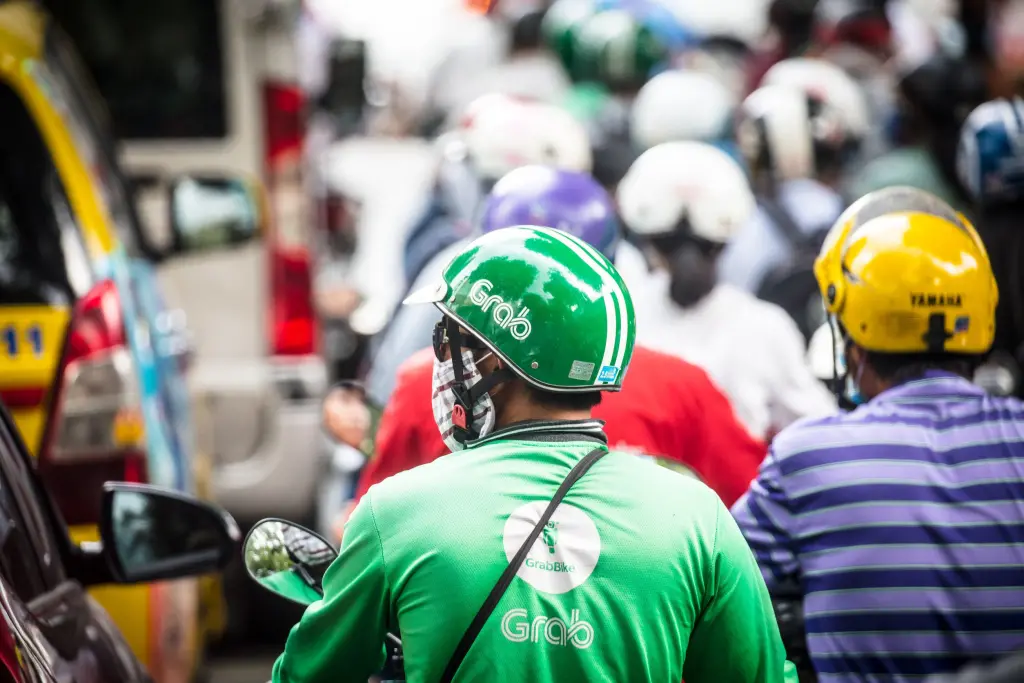
Grab bikes are taking on the traditional xe ôm scooter taxis, and once-sleepy alleyways (“hẻms“) like where our old house is nestled, are now home to craft beer joints and co-working spaces.

Culturally, I’ve noticed some shifts, too. Once more closed and conservative, today’s Vietnam pulses with creative energy. Indie music scenes are growing in Hanoi and Saigon. Young designers are reclaiming áo dài silhouettes in streetwear collections. Rooftop raves, contemporary galleries, experimental film screenings — they’re no longer underground, but part of a new, confident generation.

Many returning second (and third) generation Vietnamese are here to claim their stake in a market that is primed for more growth yet. These returnees’ (“Việt kiều“) represent business owners and entrepreneurs who are globally aware, yet deeply rooted. They are inevitably more digitally fluent also, curating a fascinating new norm here, sometimes through Instagram, sometimes in makeshift studios, or simply from behind laptops in noisy cafes.

Talk of the War is limited. The museums still draw tourists, and the Cu Chi tunnels remain a rite of passage where you can walk through the tunnels and get a visceral sense of the war’s intensity. Visitors can even fire rifles on site. A somewhat a surreal experience, where trauma meets tourism.

If arriving in Cu Chi by boat, you’ll get to glimpse the fragile backwaters still skirting the city. I’d encourage anyone traveling here to take to the waterway systems. It’s a reminder that, despite the optics of growth, much of Vietnam’s life remains delicately balanced.

Over my years here, I’ve met several people who fled Saigon in the late 1970’s. Some on boats, aged three or four, but still with early recollections of the part their families played in history. With so many since returning from far-flung cities like Melbourne, Houston, Toronto, and Paris, Vietnamese identity now stretches not only across continents, but also across generations.

Today, America is one of Vietnam’s largest trading partners. There has been military cooperation, as well as significant tech investments over recent years. Thousands of Vietnamese students flock to U.S. universities each year, and five U.S. Presidents have visited since 2000, starting with Bill Clinton’s historic trip to normalize relations. Obama’s 2016 visit lifted the arms embargo, and the humble plastic table where he and Anthony Bourdain shared bun cha and beers in 2016 has been preserved behind glass.

I remember too, ten years ago, for the country’s 40th anniversary celebrations, that the streets were lined with posters displaying the livery of many American brands, such as Dunkin’ Donuts and Domino’s Pizza. Slews of of McDonalds and Starbucks franchises have been around since then also, showing no sign of easing up their steady expansion.

Two nations, once at war, appear to now be walking the same economic and strategic tightrope, cautiously, but in step. And, whilst I’m no economist, it feels like the government here often balances very well its relations with America and China, respecting the traditions of its political past and commitments to all its citizens, while also aiming high to be a serious contender on the world stage.

Others would agree on this. Matthew Sayed writing in the Sunday Times last week, reflects on his ten-day journey through Vietnam, observing a nation propelled by a vigorous work ethic and a forward-looking mindset. He feels these characteristics, along with the country’s impressive economic growth rate, contrasts with what he describes as an “internal decline” in the West.

I suspect there are arguments here both ways, but Sayed’s weighing up of the West’s “obsession with past grievances” alongside Vietnam’s “determination and resilient outlook on the future” strikes a chord.

Do Western leaders currently have the mettle, along with the strategic vision, to deal effectively with crises?

Perhaps that is a topic I’ll dive into soon, but certainly not until I’ve enjoyed some birthday indulgences.

So, Happy 50th to me. And to Vietnam.

April 30th is just another day. It will pass, as all days do. But it carries a weight and a wonder for me. While frantic evacuations off the top of the Reunification Palace were underway, and I was blinking up into my parents’ faces, it was fate, perhaps, that my trajectory would one day land me here: an Englishman in Vietnam.

A strange symmetry between history and coincidence.

Saigon has been the ultimate connector: where Issy and I met by chance; where we’ve built our livelihoods; and where Flo and Martha’s entire childhoods have unfolded. I’ve run through its streets relentlessly at dawn, wrestling with life’s big questions, and been fortunate to gather more than my share of good friends along the way.

I was born on the edge of history. And somehow, without ever really planning it, I’ve ended up living at its heart.

Homage to my hombre

When I applied for our Australian residencies over five years ago, at one stage of the process I had to log every trip made over the previous ten years (for my daughters also). Quite the task, it turned out, given the privileged nature of how I have spent my time living overseas.

In spite of all the hours I’ve notched up sat in musty metal tubes, soaring over countries and continents before being spat out the other end, I’m always be-dazzled by the experience.

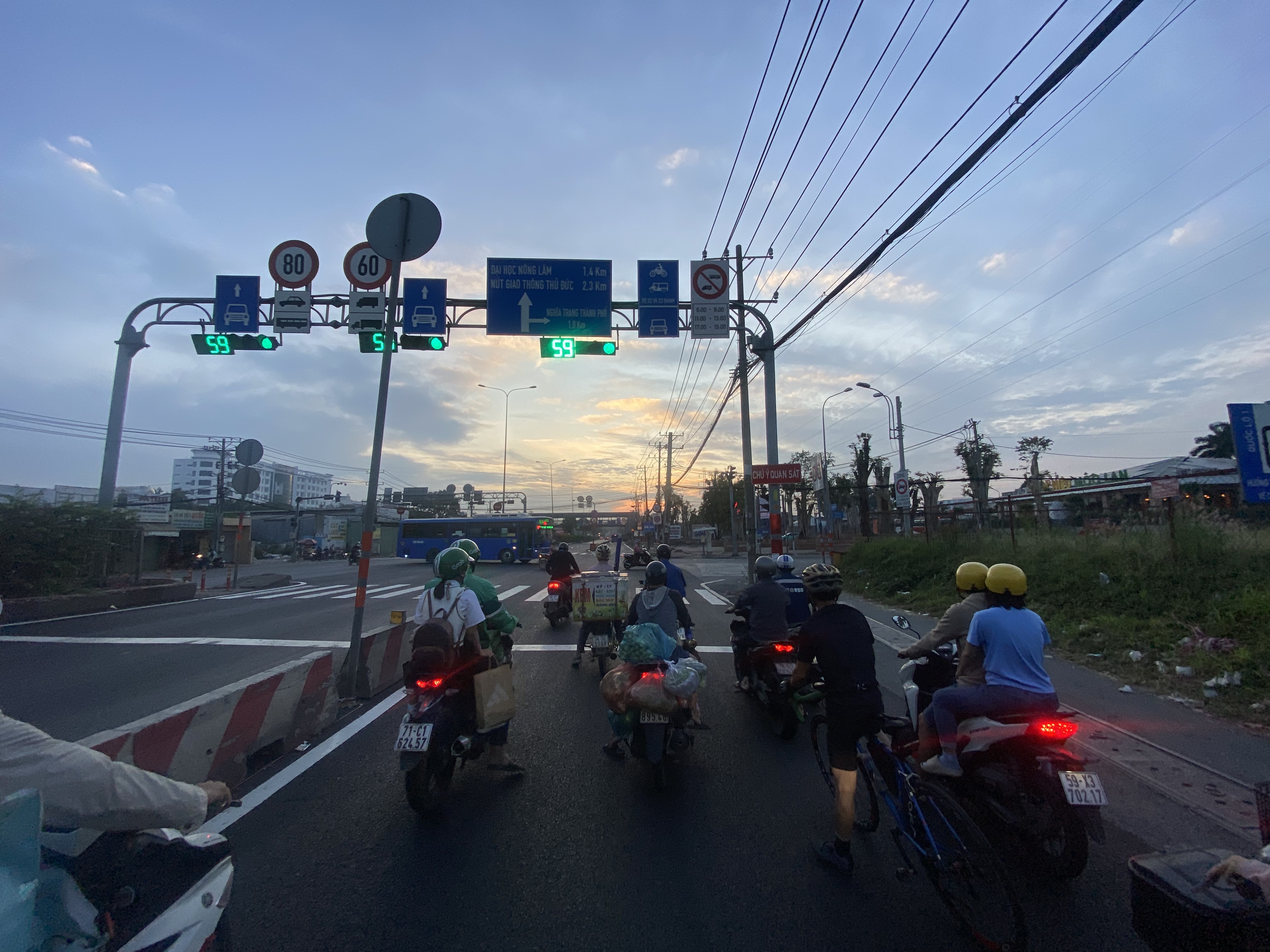
Inhaling Saigon’s humid fumes on a Tuesday evening one minute, buzzing through a throng of scooter traffic enroute to Tan Son Nhat airport, you are just two to three plastic trays of food (washed down with gulps of industrial strength gin and tonic) away from squinting down at the London Eye the following morning, the white glare off the city’s skyscrapers winking back at you.

Home from home.

Last month, I flew back to England briefly, a short touchdown in Doha between Saigon and London Gatwick, before I trundled off through customs and boarded a train to Brighton. Half an hour later and I’m walking out of the station and onto Western Avenue, down a small laneway and onto the pebbled beach, bacon sandwich and coffee in hand.

The sea was murky, and the waves were heavy, but the feeling of salt water on the skin and the cold clumpy sand between my toes was spectacular. Like it was worth travelling over twenty hours just for that.

Staring across to the end of Brighton’s famous pier, I spotted the Helter Skelter ride, calmly battered over the years by gales and the slow erosion of the ratan mats that slip-slide around it, before flopping onto the cushioned base.

Florence and Martha have swooshed down that Helter Skelter, in the summer of 2018, and in their pre-teens. They did so with the son of one of my oldest friends, Quinten, aka “Q”. We met at the beginning of secondary school in 1986. Alphabetically organised, our single wooden-top desks were set out in lines: Ahn, Ali, Babcock, Baura, Bishop and Bullock – we were the first row from the classroom door.

Back then, Q (Babcock) had a shock of blond hair and ruby red lips. I use that last description poignantly because, only last night, Q and his family were sat here in our apartment in Saigon, and his children were joking about how red his lips still are. One of the school dinner ladies, Q recalls, once asked him very loudly if he was “wearing lipstick” as she dolloped a ladle of mashed potato onto his plate. The accusation has made it into family folklore ever since.

In any case, Q and Alex and their kids are, as these words are being typed out, about six hours into their flight back to London. They safely completed a two-week romp around the south of Vietnam, book-ending the visit in Saigon, and indulging with us in some of our favorite past-times – eating, drinking and playing games.

The added bonus for me, these past couple of weeks, was to see how smoothly all our kids connected with each other.

Akin to when Flo and Martha meet up with their UK or their Australian cousins, they simply dive in and have fun. Second-hand clothes markets were frequented (thanks to Issy), cocktails and mocktails at our local Japanese bar were sampled, Vietnamese spring rolls were ordered, and re-ordered, nails were painted, balls were thrown in the pool. It was all so very easy. New surrounds for them, new visitors for us to show around. A win-win.

As we turn our sights to a transition to Melbourne in 2024, it’s times like those we’ve just had with special friends that makes long-distance relationships bind even deeper. You find yourself taking off from where you last left things, as if the time in between has evaporated. There is a clarity of purpose, a steady flow of stories and sharing. Even the simple past-time of playing a game of cards is attributed an extra sprinkle of pleasure.

These moments are treasured, and these lifelong connections are everything.

Thank you Babcocks!

Roadrunner

“You’re probably going to find out anyway but here’s a little pre-emptive truth-telling – there’s no happy ending.” (Anthony Bourdain)

We watched Roadrunner over the weekend. It documents the life of Anthony Bourdain, a man I belatedly became quasi-obsessed with, not many years prior to his suicide, in June 2018.

It was the colourful biography, Kitchen Confidential, which spring-boarded him to fame, about 20 years ago, and almost certainly and aggressively pulled him away from being a chef in New York, to traveling 250 days a year around the world, making TV shows about food and culture.

Vietnam was one of the first countries to “wow” Bourdain, and go on to have a continuous and powerful impact on him, during his future visits here – including eating bun cha with Barack Obama up in Hanoi in 2016.

Other countries followed, each stirring up a cocktail of emotions, as Bourdain hopped from slurping street-vendor soup to smoking pipes with desert nomads, sampling exotic and, at times, gruesome cuisine along the way, determined as he was to inspire others to do the same.

As his film-making evolved, his line of enquiry became more intense and more considered.

Bourdain seems to connect well with everyone he meets (although, as commentators in Roadrunner will attest, directing him on camera can clearly be a nightmare).

As a viewer, I admired how he interacted with people on his travels, and noted at the time how his own careful, yet celebrity-kissed effervescence was often blunted by the authenticity, and the grace of the people with whom he momentarily spent time, or shared a meal.

As I was in awe of him, it was he who was in awe of the person sat in front of him at that moment on a plastic chair, talking about their livelihood, or about their hopes and dreams.

These emotions he experienced, from his constant exposure to different contexts and perspectives, and the lasting impressions they left on him, were then churned up and recycled, a million times over, amongst viewers, like myself, of his various shows: A Cook’s Tour; No Reservations; The Layover; and, finally, Parts Unknown.

For the most part, I imagine, these offerings served to inspire people on different levels. One tenet that runs through each series was the concept of being ‘on the move’:-

“If I’m an advocate for anything, it’s to move. As far as you can, as much as you can. Across the ocean, or simply across the river. The extent to which you can walk in someone else’s shoes or at least eat their food, it’s a plus for everybody. Open your mind, get up off the couch, move.”

What Roadrunner illuminates, through its intimate outpourings from Bourdain’s family and friends, was that his years of travel were “never about the food.”

To spin a metaphor about how he might, instead, have been using fame, and trips overseas, as some kind of personal odyssey, so as to make sense of his own anger and frustration with the world, as well as with himself, could easily be construed as simplistic, and trite. However, it’s easy to see how this could have been the case: he was a man who never settled, was “always rushing onto set, or rushing off it…fleeing home, or fleeing from home” to quote from the film a sentiment that echoes throughout it.

During these chaotic, yet lucid, sojourns from continent to continent – drinking pulsating cobra heart juice in Thailand, being evacuated from Lebanon during a war, or just blustering through tequila shots with rock stars in Joshua Tree – there are some moments of ‘stillness’ for Bourdain, that Roadrunner captures. Moments where he does seem to find a karma, of sorts: becoming a father; being in a new relationship; breaking into deep smiles with friends, at very precise moments of camaraderie.

You feel, watching, that this stillness could provide a commendable corollary to the rage, anger and boisterous indifference that peppers most of the narrative associated with Bourdain. His can be a sensitivity, a genuineness and a purity unbridled to most who choose to place themselves in front of a camera lens.

Ostensibly, Roadrunner catalogues the litany of one man’s lifetime of reflections, circling around an over-arching curiosity that Bourdain pursued right until the very end. A curiosity which sought to answer some of life’s most existential questions.

And, for me, it’s this combination of anger and of calmness, with which Bourdain jostles, that make for such an engaging canvas on which to then let his curiosity run free.

In this sense, watching Roadrunner, like watching an episode of Parts Unknown, is made to feel a hugely relatable, and grounding, experience. Temporarily accompanying Bourdain on his quest (and, in the case of Roadrunner, condensing into a couple of hours Bourdain’s 61 year commitment to seeking out answers) is nothing short of an honour.

In his two decades of film-making, he made it clear that “aspiring to mediocrity” was never an option for him, and in that regard I feel he maintained the highest of standards.

That the last third of his life was spent “on the move”, very publicaly asking these questions – skittishly and consistently unsatisfied with the answers he was uncovering – is both upsetting to observe, as well as acutely uplifting, and insightful, all rolled into one.

Anthony Bourdain challenged norms and behaviours – relentlessly, and as widely as is possible in a lifetime – in search, perhaps, of the impossible.

That every contributor to the film, on camera, finds themselves lost for words, in their attempts to sum up, respectively, what Bourdain’s legacy might be, and indeed why he chose to end his life, is in itself a testament to the enormity of what he’d been committed to achieving.

Visibly moved to choking tears, one of Bourdain’s close friends (still angry at the reality that he’ll never again have his companion sit with him) challenges the film-makers to select a cheesy, closing scene of Bourdain for the final seconds of the film – “ideally, him walking down the beach on his own…he’d hate that” scoffs the friend, grinning.

The same guy then shaves his head (uncut since Bourdain’s death) and heads off to graffiti one of the nearby murals of Bourdain, in his neighbourhood – a last ditch attempt to connect with, to laugh with, and to indulge with his friend.

It’s a fitting and special tribute, because it’s so profoundly different, conventionally, to how people normally would behave in that situation.

In many ways, it’s the perfect tribute to a man who held a similar principle close, in all that he set out to accomplish, even though you got the impression he never quite knew what that actually was.

Stillness

The thick warm air
Always catches me by surprise -
An enveloping tropical blanket breathed in
And settling, while I lace up running shoes
To the sweep of a broom
Outside my gate.

I’m coaxed off the perch of my
Front door step
By the prospect of adventure -
In autopilot I saunter along,
Muscles purring, dawn still an hour away.

The morning rays to come,
That slow-cook the city,
Bake the uneven pavements
And simmer the layers of long-sleeved
Crowds, astride their spluttering scooters
Inching forward in morning traffic,
Past sugar cane juice vendors and the
Waft of street-food.

Until the chaos and jostle of life here unfolds
I have these streets to myself.

With each new stride the pulse of blood and adrenalin
Propel me,
Afford me a freedom,
An openness
A calm, to anchor the rest of me in
Temporary vacuum, sealed off
From the humdrum of the day ahead -
Egos and speculations,
Emails and negotiations –
A freedom of feeling connected to oneself

Threading through the darkly lit hems and alleyways -
An urban avatar of sorts -
I choose my path,
Control my outcomes,
Primordial, raging instincts pull me faster forward until
The stillness is complete

Exhausted and gasping,
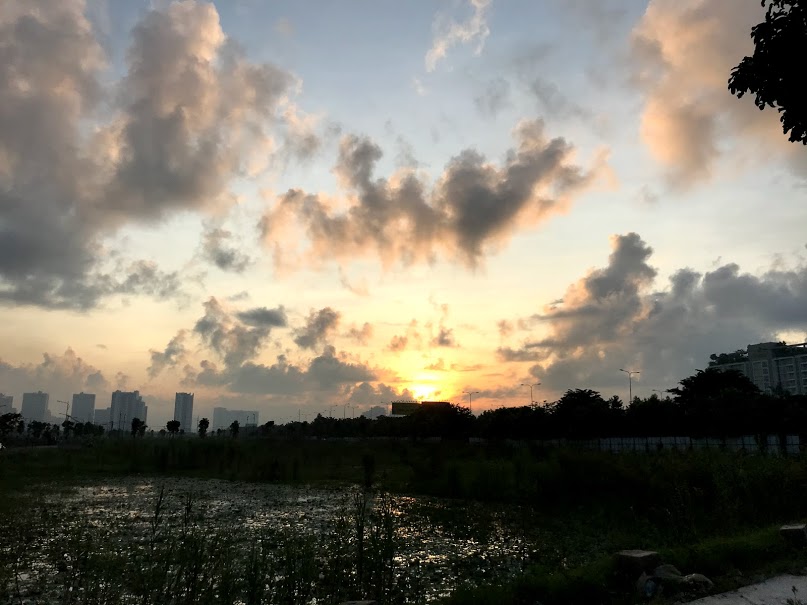
I stare at the giant orange orb
Cresting over Saigon bridge.

Floating around

There’s a 5km loop that encircles our leafy neighbourhood of Thao Dien. I walked it earlier in the week, respite from my recent commitment to the medicinal effects of running.

Endorphins tend to surge me through my days and weeks here at the moment – a daily fix that usually means I can take on most things until the evening drinks are made.

I felt quite different on my walk, with the sun up high, and the pace slowed, from the typically high octane bounding about in the dark to which I’ve become acquainted on my early runs.

In the daylight I see the array of multi-coloured fabrics hung on washing lines, baking in the morning heat. I brush past a huddle of local commuters, their motorbike engines still running, waiting patiently for their Styrofoam containers of sticky rice.

The background blend of passing traffic, workman’s angle grinder and school children, mix with the distinct smell of street- vended food: grilled pork and fried eggs smoking off makeshift bbqs; chicken broth bubbling in deep metal cauldrons.

It’s clear today, but the muggy cloak of the tropics is always there.

Beads of sweat start to appear on my t-shirt and I wonder if, with October looming, we’ll finally enjoy some cooler times. No monsoon downpours each afternoon, the mercury hopefully dipping under 28 degrees, as opposed to creeping up to 38. These months to come are usually the best Saigon has to offer, bookended as they are between the constant swelter of March through to September.

Saigon has all the trappings of a modern city. Its ever accelerating growth, and gravitas as a regional player, something to behold, particularly knowing that, at heart, it remains a charming, country town.

You don’t have to skirt too far from the suburban centre to find rice paddies, and the zig-zag of water buffalos and wooden ploughs scoring lines through the dewy grasslands.

I wonder how Saigon will look a decade from now? Perhaps more like Bangkok, overrun with high rise buildings and chrome plated hotels, but still harbouring the charm and quiet of what went before.

Discreetly nestled down the backstreets and “hems” of Saigon, I’d like to think you’ll still find the lady who sells me sticky rice for my daughter’s breakfast, and who smiles warmly when we stop at her cart on our way to swim practice.

As I walk deeper into the labyrinth of narrow lanes, purposefully avoiding the 4x4s and the buses impatiently flashing past, I know I’m fortunate to feel as comfortable as I do, nodding and waving to some of the same locals whose front doors I’ve run past over these months of lockdown. A small connection is enough, I realise.

There are side streets here I’ll never manage to find and walk down. Inhabitant’s waves I’ll not now receive, let alone stories about their life I’ll never hear. The richness of each anecdote and perspective will always be lost to my foreign ears.

Imagine living through the American-Vietnam war and now, as the city’s sky train construction lurches into its 6th yearly cycle, you watch as your grandchildren travel and explore parts of the world of which you’ve no reference?

I think about Mr Nhi, who has tended to our unruly garden these past 4+ years, and with whom I can exchange just a few words.

At the best of times I’m speechless in his presence, from the sheer magnificence of how he holds himself. A man of little words, of smooth and simple actions, Mr Nhi is one of the most humble and impressive men I’ve ever known. I feel his wisdom just is. His sister passed recently and he barely mentioned it, save to inform us he would switch his days around. He conveys so much in everything he does, in spite of his actions being so subtle and unassuming.

How many other Mr and Mrs Nhi’s lie metres from our home? All too often eclipsed by the blur of frustration and fatigue that I carry around – particularly on those days when I don’t run – pontificating about the future, or wrapping myself in nostalgic memories from the past.

The promise of something new remains a glowing ember, in the fire of Covid. The promise of free movement again. All will come in good time, I am sure.

I stop by the river and watch another boat load of bright orange and blue containers drift by, off on their journey to ports and final destinations thousands of miles away.

At the back of the vessel is the cockpit, and outside this a makeshift washing line sways its black uniforms in the breeze.

In the boat’s wake bundles of lotus stems and driftwood, wrapped up in clumps, bounce along behind.

While You Were Sleeping

sunset
The finest hour I have seen, is the one that comes between, the edge of night, and the break of day, it’s when the darkness rolls away – Nanci Griffith.

While You Were Sleeping

Be still, my loves,
Let sweetly dreams of fancy unfurl you
Elsewhere, whilst
Outside
Clicked shut our iron gate and running free
Through Saigon hems,
Weaving versions of past night-time jaunts –
Familiar neon shop signs and
Fragrant food-cart smoke,
Snaking shadows beneath
Sprawling high-wire silhouettes –
Cocooned inside this secret urban labyrinth
– I glide –
The purr and putter of market produce scootering by.

Be still, my loves,
Soft respite gains on moonlit quilt,
As my strides quicken with the breaking dawn and
I reach the water’s edge.
Beyond horizon,
Past horizon further,
Others whisper fond farewells,
Their last small patch of glowing orb ablaze, setting,
To manifest and transfix now in front of me –
Yellow white sparkles dance like needle shards,
Bedazzling in the ferry’s wake.

Be still, my loves, be still some more.
Beyond this turning point,
Homebound,
Backlit with today’s first sunbeam,
I fear only this –
As deep a contour and familiar now as the
Creased faces of street-vendor –
That time is lost.

With fingertip precision,
The keystrokes of our waking hours
Consume and safeguard
Daily beats, to which we all adhere,
And for which our spirit harkens.
Around that corner, over this bridge,
One’s salt-lipped search for answers
Makes for another’s
Truncated journey
To a higher stratosphere of meaning –
A life’s trajectory that comes in all forms,
Restless, stirring make-believe.

Be still, my loves.
In the end, there is only this.