Living Planet

This week I spent three days up north in Ba Vi National Park for a work gig, facilitating a group of organisations preparing to launch a sizeable programme to support both local communities and local wildlife.

Several participants were environmental specialists and turned up with cameras boasting enormous zoom lenses in camouflage casings, plus tripods, binoculars, and the enthusiasm of people who know exactly what might be hiding in the next tree.

Our training room looked straight out over the forest canopy. Every so often we paused mid-discussion so one of the pros could point out a flash of wings, or rare birdsong drifting through our windows.

“What a privilege”, I offered to the group, for us all to be gifted that time together, and in those surroundings. And it really was.

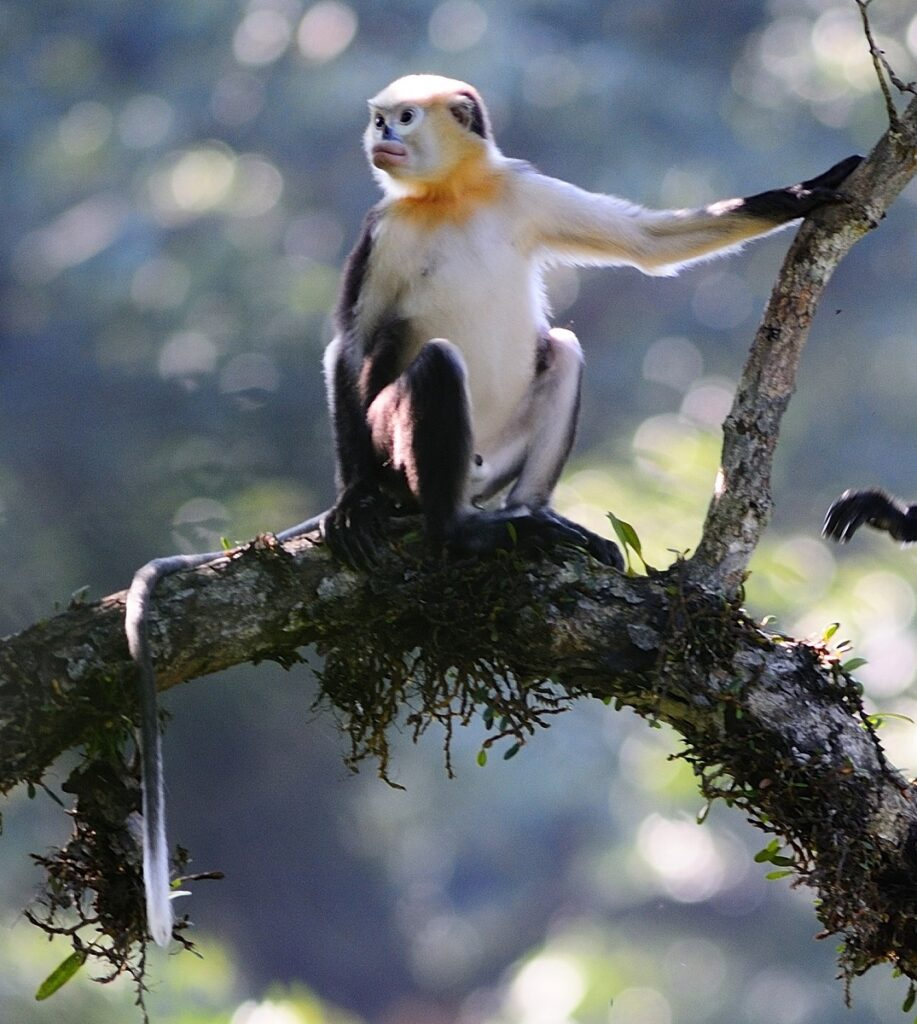
Vietnam, historically a place where biodiversity losses have been severe, has been investing far more in conservation in recent years. Some species here exist nowhere else on earth. The Tonkin snub-nosed monkey, for instance, lives on in a single province. The most recent census estimates around 250 adults remain.

One of our colleagues last week, from Flora and Fauna International, is a global orchid expert who has photographed 100,000 of them, and gives regular keynote speeches about orchids around the world.

He explained how local rangers and conservationists are fighting to protect the Tonkin. Hearing about the level of care, energy, and sheer patience involved was humbling and inspiring.

It also brought me back to a recurring question: just how would I describe Vietnam’s cultural relationship with animals after fifteen years living here?

It is, in truth, a study in contrasts.

On the one hand, conservation campaigns are growing, park systems are strengthening, and young people increasingly speak the language of biodiversity, sustainability, and stewardship.

On the other, daily life still carries a kind of blunt, transactional way about it.

The morning “wet” markets offer a menagerie of protein options. Fish are sold alive from tubs of water, and dispatched on the spot after being clattered with the back of a knife and scaled while still flapping, before being plopped into a plastic bag for the customer.

Frogs sit bound in twine, together in pairs, until sold, when they are abruptly sliced open and their skin pulled off like a wooly jumper being removed.

Every part of a pig is eaten. Colleagues of mine used to bring the ears to work for lunch. Once I’d overcame the mild shock of seeing a pig’s ear next to the sugar jar in the office kitchen, it dawned on me that there is something genuinely honourable in respectfully consuming all the parts of an animal.

In so many other scenarios around the world, millions of animals are treated inhumanely, week on week, slaughtered at industrial scale levels, their body parts packaged in aesthetically pleasing ways, and half of their carcasses thrown away.

And yet, emotional distance can drift into callousness, and there is still a rather cruel vibe to how certain animals are treated here – although, as always with cultural norms, one person’s cruelty is another’s everyday practicality.

I’ll never forget taking my friend Maude to dinner in 2012 at a rooftop BBQ in Saigon. I accidentally ordered a dish that involved a glass bowl of cold water being placed on a stove in the middle of our table, and a handful of live prawns being tossed in. As the water warmed to boiling temperatures and they began scrabbling at the sides, we found ourselves staring at the bowl in disbelief, even as other diners treated it as a normal Tuesday night.

The momentum toward conservation in Vietnam is tangible. New interventions now prioritise biodiversity and environmental guardianship in ways that simply weren’t part of development work fifteen years ago.

Being up in Ba Vi, especially knowing how severe Hanoi’s pollution has been lately, reminds one that nature is sacred – and that our newfound concern for ecological impact is, historically speaking, breathtakingly recent.

Maybe that’s why birdwatching is exploding globally. People want to admire something beyond themselves. They want a reason to look up in awe.

And yet our attention is fragile. Life distracts. Work distracts. Ego distracts. As I wrote last week on the anniversary of Rosa Parks’ arrest, we easily get tangled in our own “stuff” and lose sight of the bigger tapestry we’re part of – the birds, the bees, and each other.

On my flight back to Saigon this evening, I watched a documentary about David Attenborough’s life. As always, in admiration of the colossal effort he’s put in over sixty years to hold up this one truth – that we so willfully seem to forget – which is, very simply, that we’re living in unprecedented times.

To quote Attenborough:

“We are currently in the midst of the earth’s sixth mass extinction, one every bit as profound and far-reaching as the extinction of the dinosaurs.”

Watching the great man and orator in the documentary, mic-dropping as he has done at COP conferences, Davos, and the like for the past twenty years, was a timely reminder of how to better see the relationship we have with nature.

While climate change and global warming frame how we impact nature, of course it is our fragility, dependency and ultimately our sustainability which relies so heavily on the health of the natural world.

Each drop of water and gulp of air is because of nature, not government or big business. And each time another species sits on the brink of extinction, we are stepping that bit closer to the day when it will be our turn.

Thanks Be

Many Happy Returns to my old man today!

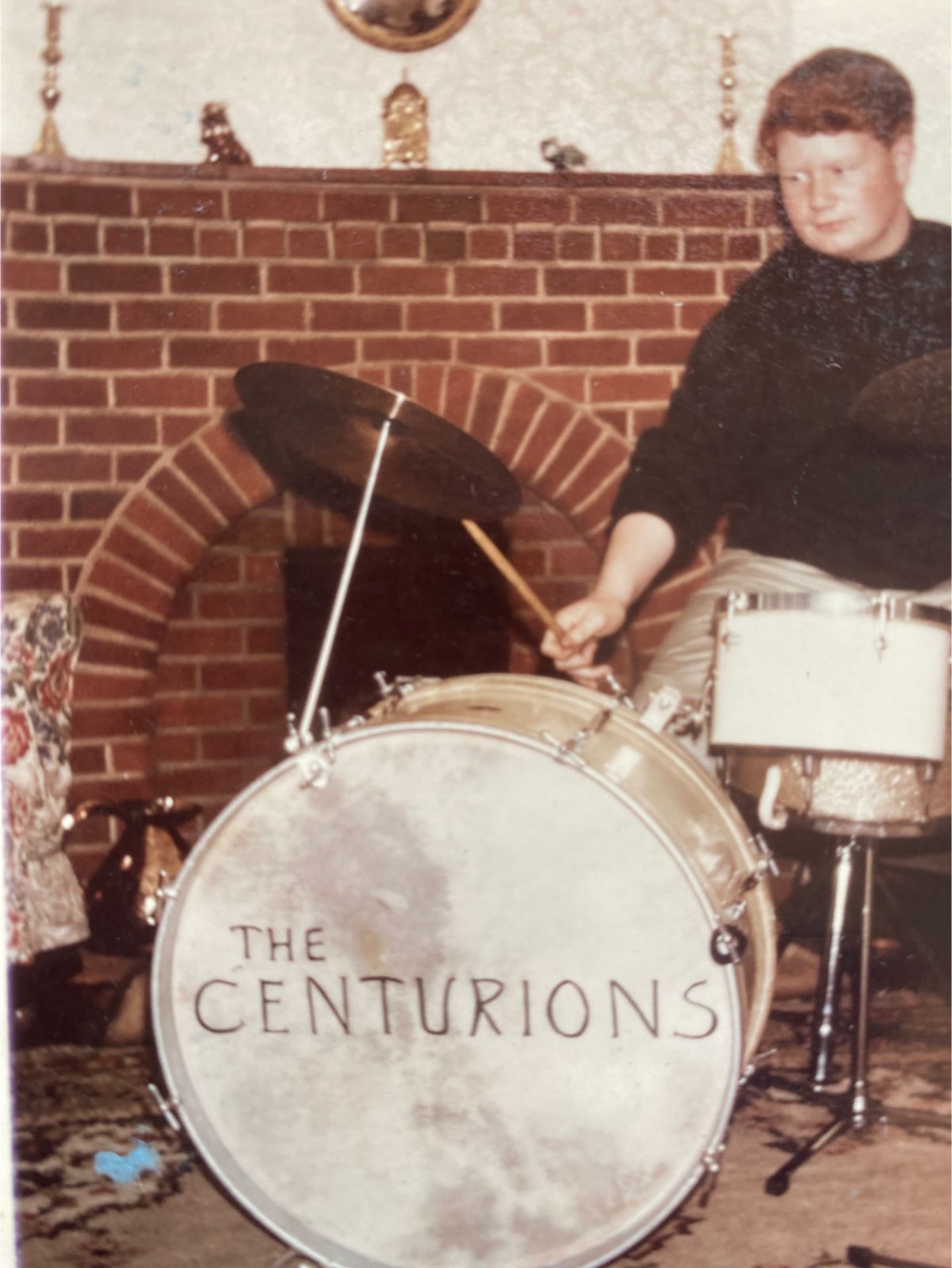
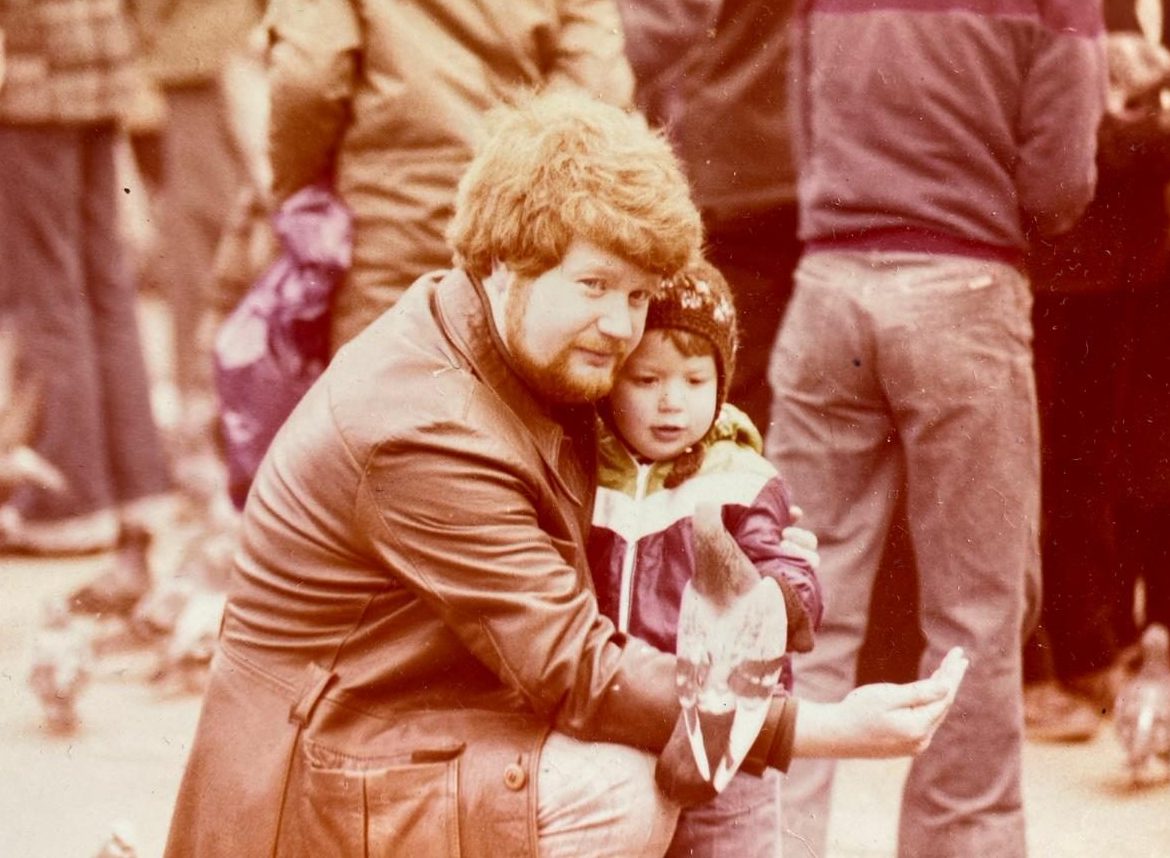
A “1949-er” and, as the photos below demonstrate quite clearly, somewhat of a cool dude.

From ’60’s boy band heart-throb and ’70’s hipster chic, to ’80’s Bond pin-up – there have been many noteworthy wardrobes and styles my Dad has cut through the years, each worthy of an Esquire front cover.

There are plenty more pics from the archives to fill a dozen blogs: Dad tightly crammed into a brown wetsuit on Polzeath beach, during one of our annual pilgrimages down there with the Sparrow family; Dad dressed in a black and red striped 1930’s full body toweling swimsuit, while completing a fundraising swim, when we lived in Great Kimble; or, for variety’s sake, Dad dressing up for pantomime to play Dorothy (blond wig + beard) in The Wizard of Oz one year, and then Widow Twankie (silver wig, clean shaven) in Aladdin the next – you can take your pick.

As today also happens to be Thanksgiving, and we’ve spent the morning preparing mash potato pie, it feels more timely than usual to celebrate not only Dad’s latest trip round the sun, but to pay a brief homage to all of the rest of it, too.

Thanksgiving, as a traditional past-time, is about sharing gratitude to those around your table. But its origins run a bit deeper than that, because survival back then depended on a number of things that can often feel very distant to our lives today. Those first harvest tables were less a symbol of indulgence and more simply about relief. Quite literally: we made it through another year – we are still here.

Gratitude is a formidable thing in itself.

Talk of gratitude is there in religious texts, and has been passed down the millennia through scholars and writers alike who, collectively, seem to have agreed that to be grateful is, fundamentally, to recognise the sheer improbability of existence. There is a beauty and an awe in waking up each day to the miracle that anything exists at all.

There isn’t, of course, anything more powerful for us to agree upon, and so today it feels to me, over here in Asia, all the more pertinent to add my thanks and gratitude for all the magical things I hold close at heart, and which have been made possible thanks to my parents – even if one of them sometimes chooses to dress up in a blue and white checked gingham dress and a blond wig.

Later today, Mum and Dad are heading into London to meet my niece for a slap-up lunch, and then onto watch another great dame – Sir Stephen Fry – play Lady Bracknell in The Importance of Being Earnest. I couldn’t find a fitting quote from the play to end this on. It is, after all, a satirical romp, that doubles down on gratification rather than gratitude. And, while gratification is also a popular word on the bingo card of Thanksgiving, it is not the same thing.

Gratification is more akin to a feeling of achievement – cooking and eating and sharing a meal, being one example many millions of people will carry out today.

There is gratification in reflection, and also in the joy of what is yet to come, but I would say that gratitude is, instead, a way of seeing all of this. The two can be mutually reinforcing, perhaps.

In any case, the last word from me on this today is from poet, David Whyte, whose take on gratitude I find to be the most gratifying.

Happy Birthday Pops x

Gratitude is the understanding that many millions of things come together and live together and mesh together and breathe together in order for us to take even one more breath of air, that the underlying gift of life and incarnation as a living, participating human being is a privilege; that we are miraculously, part of something, rather than nothing.

Even if that something is temporarily pain or despair, we inhabit a living world, with real faces, real voices, laughter, the colour blue, the green of the fields, the freshness of a cold wind, or the tawny hue of a winter landscape.”

David Whyte, Consolations.

Against All Odds – An Chị Em’s Work in Vietnam

The first drops of rain from the tail of Typhoon Kalmeagi have just this afternoon started to fall in Saigon. We’ve been on high alert for 24 hours, after the government cancelled all after-school activities for four days.

In the end, the forecasters didn’t quite get it right for the south, as Kalmeagi smashed its way through parts of the centre of Vietnam last night, with no repercussions for us down here.

Photos from Quy Nhon, further up the coast, courtesy of a friend visiting there, show quite clearly that Kalmeagi meant business. An awfully high death-toll in the Philippines earlier in the week confirmed as much.

Our storm seasons out here are forever stretching in their longevity. The end of October used to be the marker for a switchover to drier times – but that is not our norm anymore.

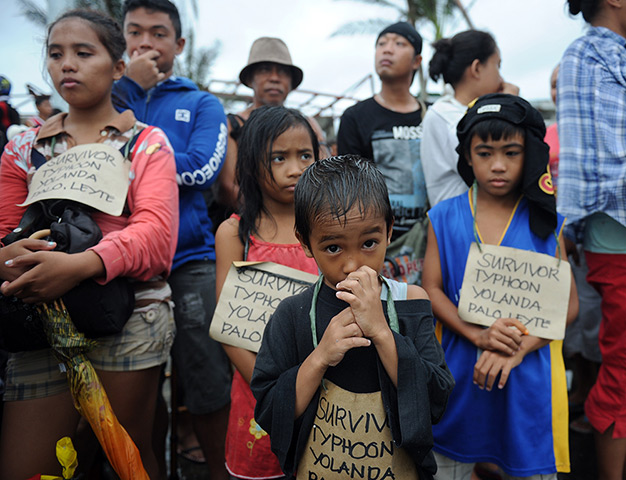
12 years ago to the day, a bunch of us flew into Manila, as Typhoon Haiyan was about to wreak havoc about 400kms away. In the end, Haiyan was one of the heaviest recorded storms on record. None of our crew were affected at all, but millions of Filipinos lost their livelihoods and many were killed.

As I’ve previously documented, since living in Southeast Asia now for almost 15 years, it will never be possible to fully appreciate how fragile life out here is for the vast majority of Vietnamese, Filipinos, Cambodians, Laotians, and the many other countries nestled into this very special corner of the world.

Daily flooding in our local neighbourhood is already a constant source of disruption for many living in precarious structures, where floors fill with river water gushing up through the sewers at high tide. Let alone the damage they have to buffer when the monsoon rains slam down like stair-rods through their corrugated iron roofs.

Typhoons and cyclones take this destruction to the next level of suffering. The Boxing Day Tsunami in 2004 was one of the first times the world has seen in real-time just how scary the power of nature can be, particularly when up against frail infrastructure.

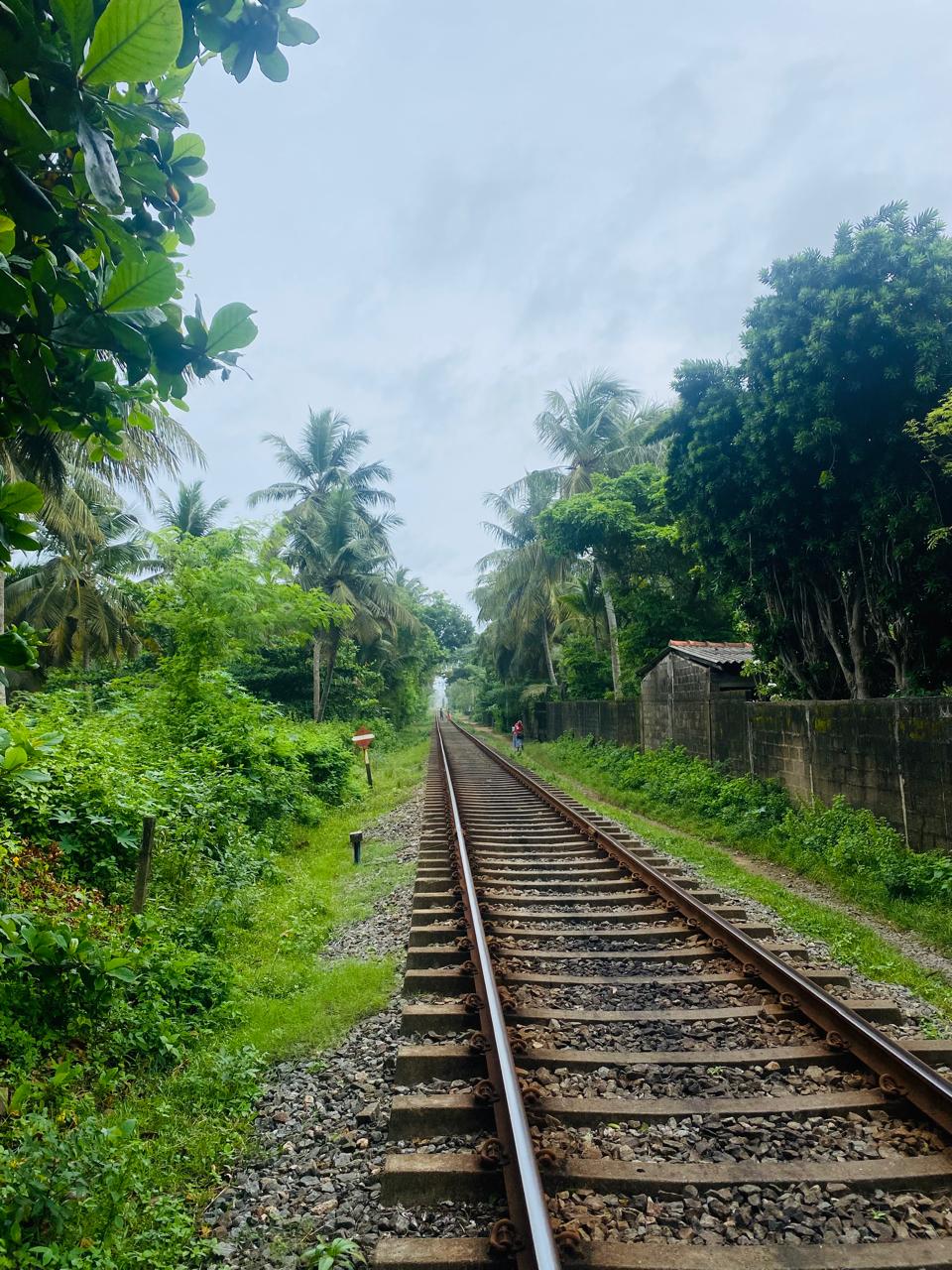
I took a train down from Colombo to Galle in Sri Lanka about six years after the tsunami, and heard stories of how hundreds Sri Lankans had run way from their beach dwellings and onto a stationary train, to seek cover from the wave, only to perish as the force of the ocean flipped the carriages over.

Here in Saigon, locals often seem to shrug off the perils of the weather – they are, instead, more preoccupied with making a living than they are of re-upholstering, again, their furniture and securing their belongings.

Over my years at CARE, learning about how solutions to protect communities from seasonal bad weather are designed and scaled, it does just feel like a never-ending saga for the billions combating some of the world’s most destructive natural disasters.

That saga could one day be softened if governments were to make high-level decisions about their collective stewardship of the environment. The world’s largest corporations could also have a more profound impact on the welfare of vulnerable communities, through tougher regulations and fairer access into markets for those currently excluded.

There are lots of moving parts to this, and much ground to yet be covered. The Boxing Day Tsunami was over twenty years ago and still the vulnerability of many millions seems ever increasing, along with the regularity at which these weather-based events are happening.

And, in the meantime, it is the resilience of local communities and the efforts of a small number of entities that continues to make the most life-changing daily and incremental improvements and adjustments to the lives of these communities.

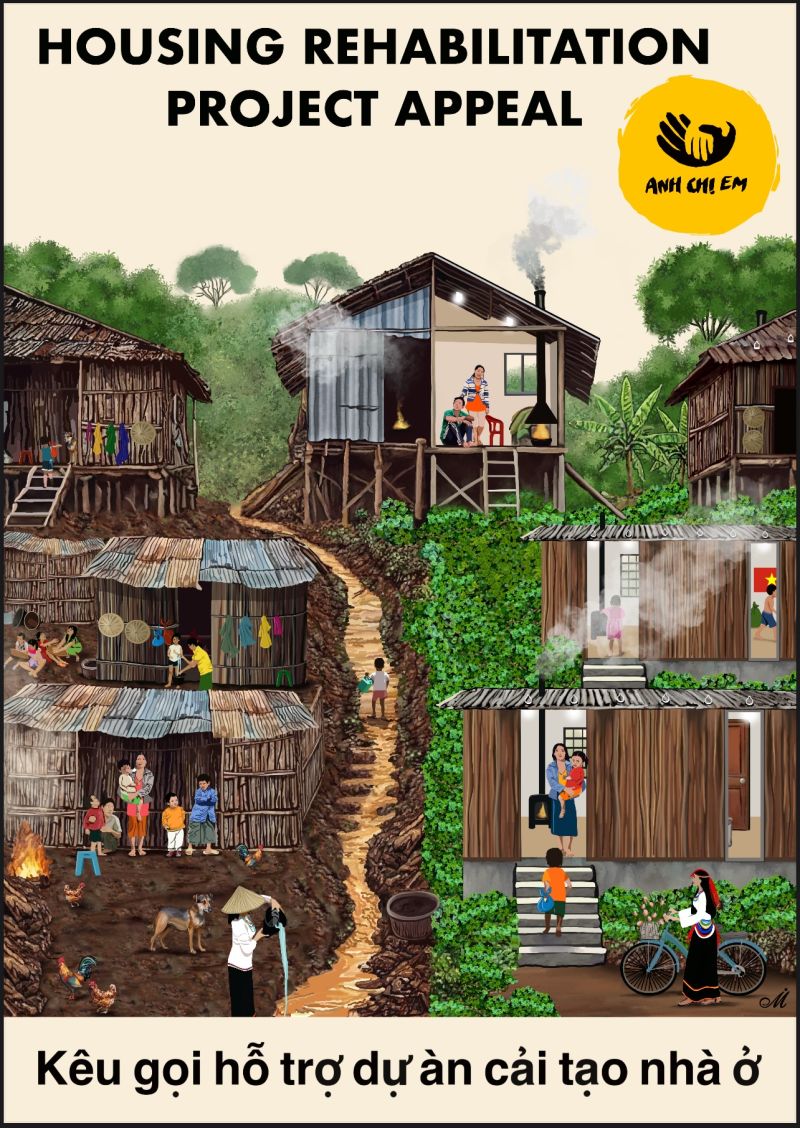
One entity here in Vietnam is called An Chị Em – which translates as “Brothers and Sisters”.

Their work is in the mountainous communities of Trà Bồng in Quảng Ngãi Province. They are a social-enterprise, set up by Colin Dixon, a long-term resident and friend, and their core mission is to partner with vulnerable communities facing economic, climate and infrastructure pressures.

They span emergency aid (responding when storms, floods or isolation hit), sustainable development (including clean water and housing upgrades) and education sponsorship (giving children whose families are marginalised the chance to stay.

An Chị Em are taking a local approach to finding solutions that ensure they are building back better: not just in terms of improved resilience, but also in terms of dignity. Better-built houses that resist seasonal storms, access to clean water so that time isn’t wasted fetching it, children freed from the burden of interruption when disaster strikes, and communities that are less exposed to the elements.

Their “brick by brick” approach in Trà Bồng as one small but powerful counterpoint to the anxieties of storm season. Their work can’t wait for government legislation, or private sector investments. They have to act now, and in each and every moment of tomorrow, and the day after.

I would urge you to take a look at their website (links above and below) and check out how you might get involved.

Thank you and have a safe weekend x

Born on the Edge of History

I came into the world a bit tangled, with the umbilical cord wrapped tight around my neck, gasping for air. My first act then being to terrify my parents, before nurses whisked me off to the emergency room.

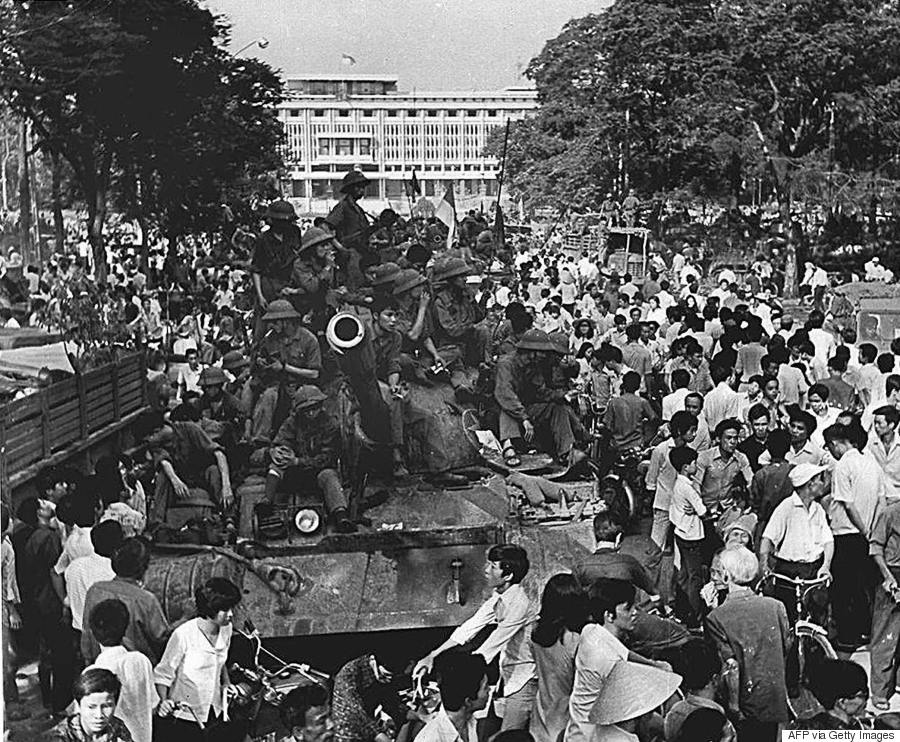
Three days later, I was issued a birth certificate. It was dated 30th April, 1975 — the official date of the end of the American-Vietnam War.

Up until quite recently, I would have had a hard time confidently locating Vietnam on a map. I didn’t grow up thinking much about it, and was too young to have witnessed the street marches and anti-war protesting. Vietnamese cuisine (now found on plenty of city corners the world over) hadn’t reached UK high streets in the 70’s and 80’s.

For me, the story of that War was told through watching Hollywood movies, rather than it unraveling in real time as it had for my parents, in pixelated black and white TV footage of American GIs and the devastation caused by Agent Orange.

Vietnam, therefore, never felt personal to me, as I meandered through my twenties and half my thirties working for non-profit organisations in London dreaming, instead, of returning one day to Africa.

Fast forward to 2009 and 2010, and I took a few work trips with CARE International to Laos, Cambodia and then to Thailand. Visiting projects and speaking at conferences. My first real immersion into a part of Asia that was soon to become my home.

By February 2011 I’d arrived in Saigon on an 18-month secondment. We chose a kindergarten for our two-and-a-half-year-old daughter, Florence, the day after landing and had picked out an apartment — in ‘River Garden’ — by the end of the first week.

Fourteen years on, and Flo is about to sit her GCSEs out here, while her younger sister, Martha, spent last week performing in a high school musical.

I re-married just before the outbreak of COVID-19, and me, Issy and the girls enjoyed seven years living in our family home, not far from where I’m writing this now.

In February 2023, we moved back into River Garden. We’d come full circle.

On the pages of this blog site, I’ve tried to capture the ups and downs, the ingrained moments and experiences, that living in Vietnam has scored into the archives of our memories. This is my 160th post on Saigonsays.

Some days, I still marvel at how a temporary posting turned into a life. How the place I’d never imagined for myself became the very platform from which I’ve launched myself, day after day, for so many years.

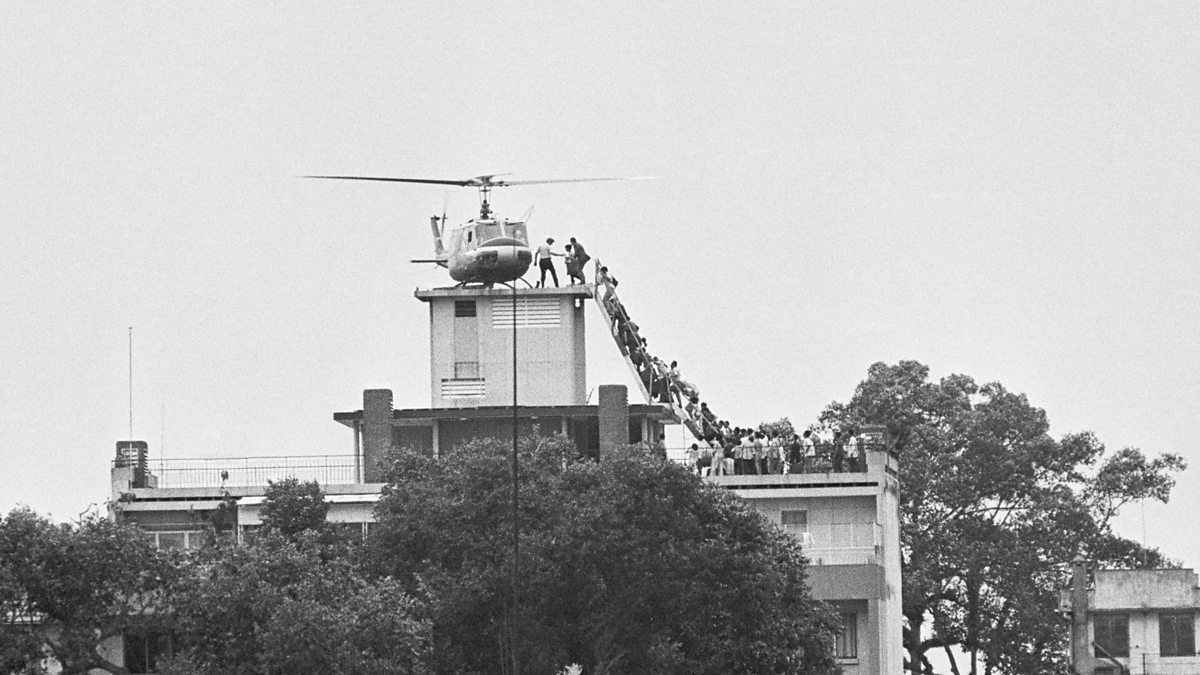
I wonder about those last American helicopters, pitching off what is now called “The Reunification Palace”, taking their passengers to begin the next stage of their lives while, many miles away in England, I would have been sleeping, my breathing finally calmed, curled up in the safety of my mother’s arms.

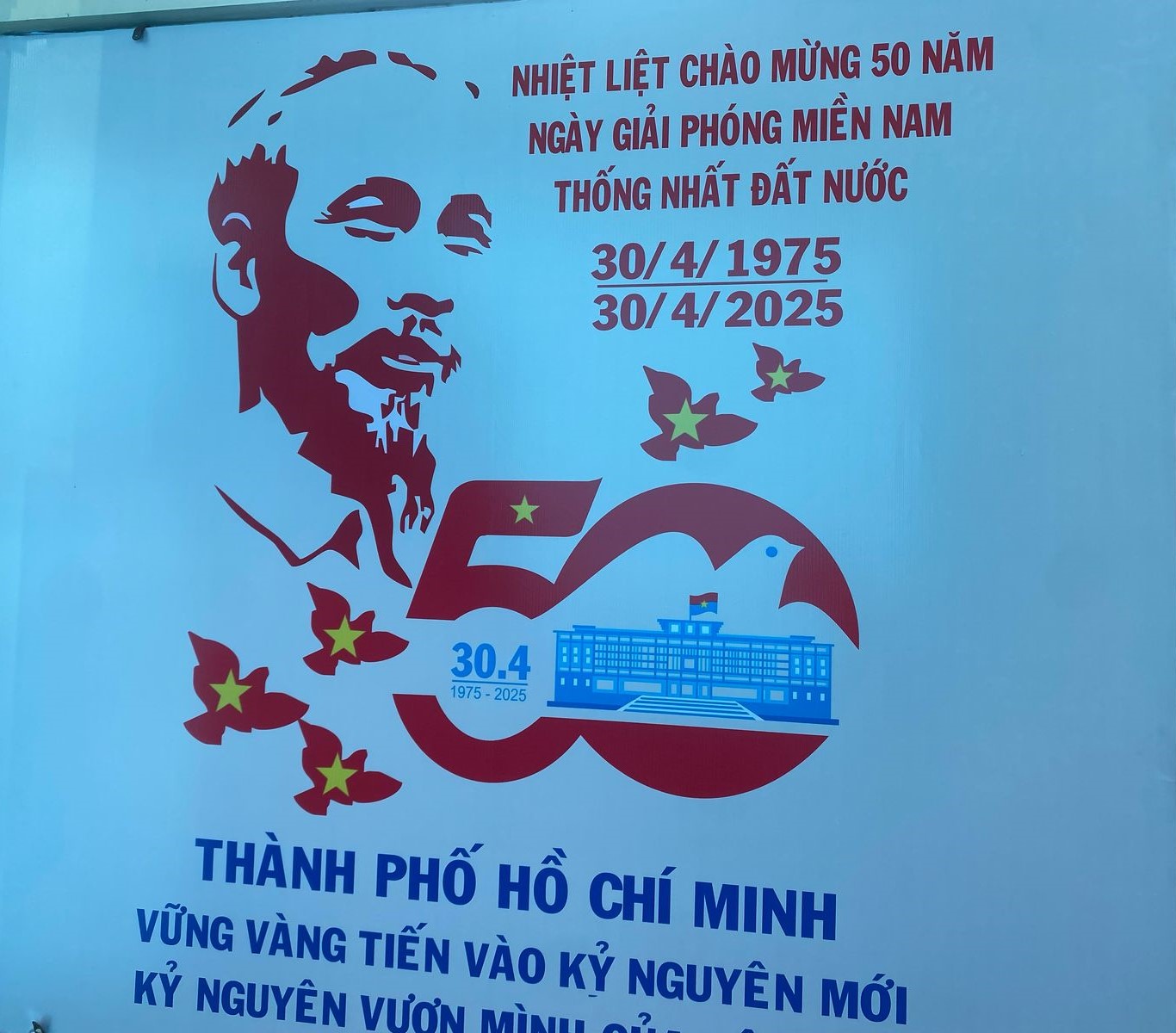
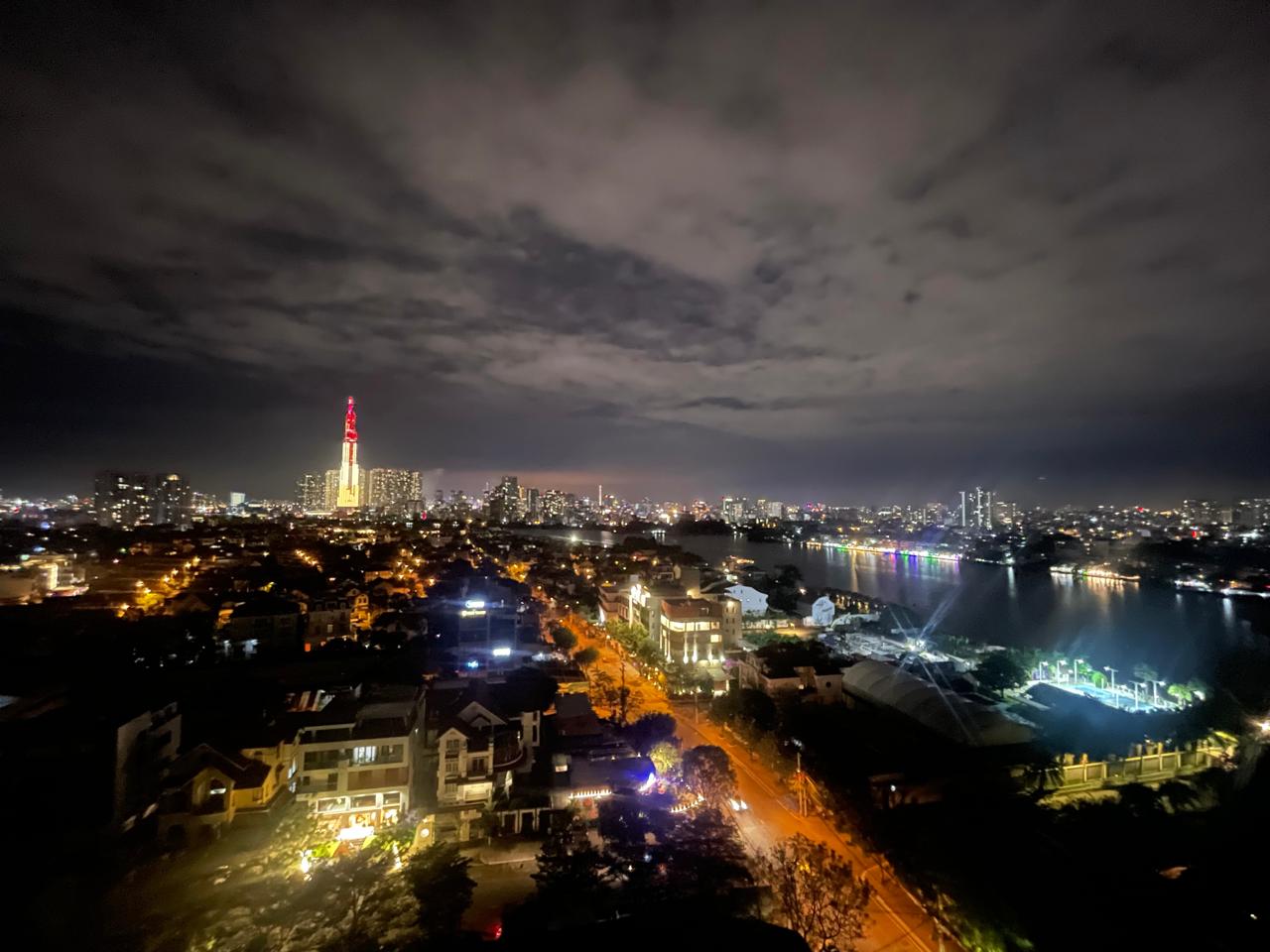
Over the past week, outside our 15th floor apartment windows, we’ve watched configurations of helicopters and fighter jets have been marauding around the perimeter of the city. Red flags, with the single yellow star motif, dangling below the whirring blades. These rehearsals have been going on for some time, intensifying day by day in the run up to Wednesday’s celebrations.

Last weekend, I ran through the central business district dotted with shiny red and gold floats with large posters of Ho Chi Minh hoisted high, waiting for the upcoming parades. There have been ongoing road closures, as thousands of participants are expected at the various pop-up arenas currently under construction.

Since 1975, Vietnam has become one of Asia’s most dynamic growth stories. Once reliant on rice and textiles, the country now exports everything from coffee and cashews to smartphones and semiconductors.

Industrial zones hum with activity, and foreign investment flows in through tech giants, auto manufacturers, and even renewable energy start-ups. In spite of the many immediate post-war years of poverty and crisis, it has emerged economically vibrant, particular since the US embargo was lifted in 1994.

Vietnam makes things now. And sells them to the world.

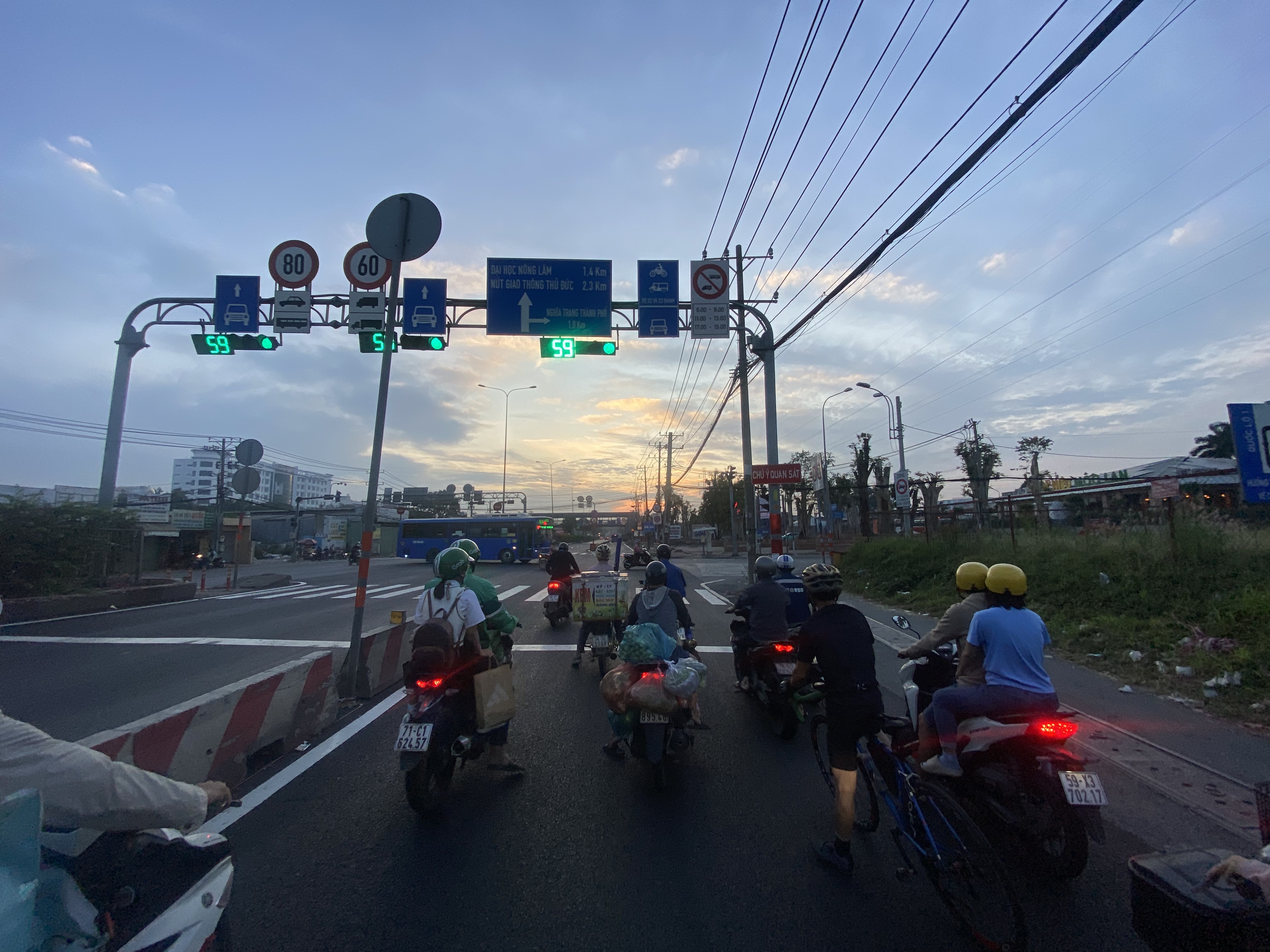
Ho Chi Minh City (still “Saigon” to many) has been a city in flux ever since I arrived. Construction cranes swing over tangled power lines. Glass skyscrapers rise beside crumbling French villas and wartime relics. The city’s long-promised metro line opened at Christmas and, so far, seems to have a steady footfall of passengers.

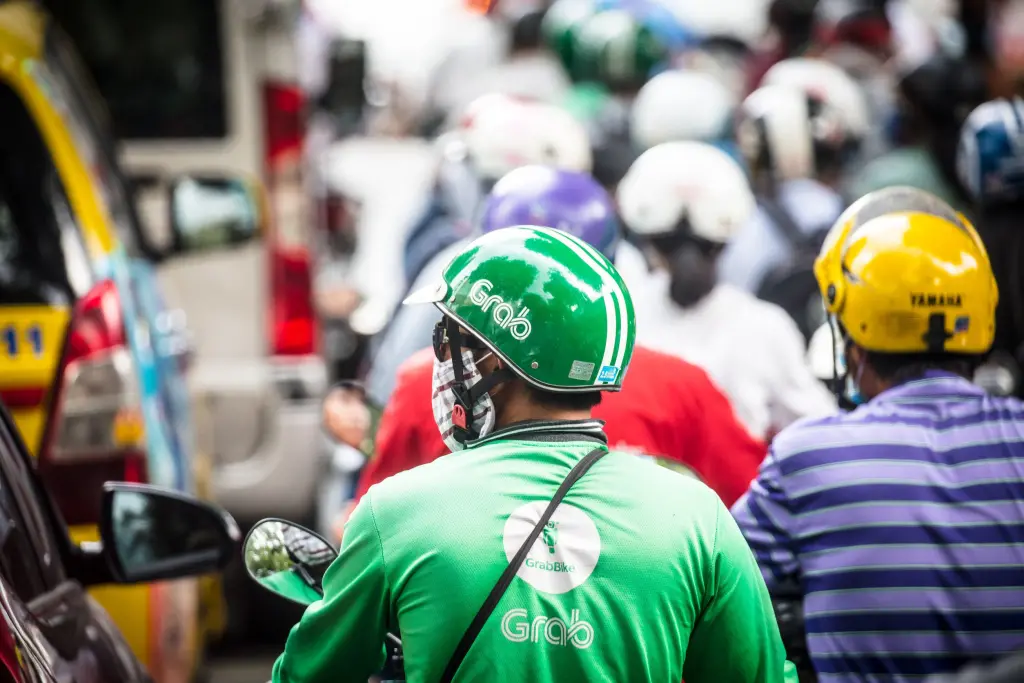
Grab bikes are taking on the traditional xe ôm scooter taxis, and once-sleepy alleyways (“hẻms“) like where our old house is nestled, are now home to craft beer joints and co-working spaces.

Culturally, I’ve noticed some shifts, too. Once more closed and conservative, today’s Vietnam pulses with creative energy. Indie music scenes are growing in Hanoi and Saigon. Young designers are reclaiming áo dài silhouettes in streetwear collections. Rooftop raves, contemporary galleries, experimental film screenings — they’re no longer underground, but part of a new, confident generation.

Many returning second (and third) generation Vietnamese are here to claim their stake in a market that is primed for more growth yet. These returnees’ (“Việt kiều“) represent business owners and entrepreneurs who are globally aware, yet deeply rooted. They are inevitably more digitally fluent also, curating a fascinating new norm here, sometimes through Instagram, sometimes in makeshift studios, or simply from behind laptops in noisy cafes.

Talk of the War is limited. The museums still draw tourists, and the Cu Chi tunnels remain a rite of passage where you can walk through the tunnels and get a visceral sense of the war’s intensity. Visitors can even fire rifles on site. A somewhat a surreal experience, where trauma meets tourism.

If arriving in Cu Chi by boat, you’ll get to glimpse the fragile backwaters still skirting the city. I’d encourage anyone traveling here to take to the waterway systems. It’s a reminder that, despite the optics of growth, much of Vietnam’s life remains delicately balanced.

Over my years here, I’ve met several people who fled Saigon in the late 1970’s. Some on boats, aged three or four, but still with early recollections of the part their families played in history. With so many since returning from far-flung cities like Melbourne, Houston, Toronto, and Paris, Vietnamese identity now stretches not only across continents, but also across generations.

Today, America is one of Vietnam’s largest trading partners. There has been military cooperation, as well as significant tech investments over recent years. Thousands of Vietnamese students flock to U.S. universities each year, and five U.S. Presidents have visited since 2000, starting with Bill Clinton’s historic trip to normalize relations. Obama’s 2016 visit lifted the arms embargo, and the humble plastic table where he and Anthony Bourdain shared bun cha and beers in 2016 has been preserved behind glass.

I remember too, ten years ago, for the country’s 40th anniversary celebrations, that the streets were lined with posters displaying the livery of many American brands, such as Dunkin’ Donuts and Domino’s Pizza. Slews of of McDonalds and Starbucks franchises have been around since then also, showing no sign of easing up their steady expansion.

Two nations, once at war, appear to now be walking the same economic and strategic tightrope, cautiously, but in step. And, whilst I’m no economist, it feels like the government here often balances very well its relations with America and China, respecting the traditions of its political past and commitments to all its citizens, while also aiming high to be a serious contender on the world stage.

Others would agree on this. Matthew Sayed writing in the Sunday Times last week, reflects on his ten-day journey through Vietnam, observing a nation propelled by a vigorous work ethic and a forward-looking mindset. He feels these characteristics, along with the country’s impressive economic growth rate, contrasts with what he describes as an “internal decline” in the West.

I suspect there are arguments here both ways, but Sayed’s weighing up of the West’s “obsession with past grievances” alongside Vietnam’s “determination and resilient outlook on the future” strikes a chord.

Do Western leaders currently have the mettle, along with the strategic vision, to deal effectively with crises?

Perhaps that is a topic I’ll dive into soon, but certainly not until I’ve enjoyed some birthday indulgences.

So, Happy 50th to me. And to Vietnam.

April 30th is just another day. It will pass, as all days do. But it carries a weight and a wonder for me. While frantic evacuations off the top of the Reunification Palace were underway, and I was blinking up into my parents’ faces, it was fate, perhaps, that my trajectory would one day land me here: an Englishman in Vietnam.

A strange symmetry between history and coincidence.

Saigon has been the ultimate connector: where Issy and I met by chance; where we’ve built our livelihoods; and where Flo and Martha’s entire childhoods have unfolded. I’ve run through its streets relentlessly at dawn, wrestling with life’s big questions, and been fortunate to gather more than my share of good friends along the way.

I was born on the edge of history. And somehow, without ever really planning it, I’ve ended up living at its heart.

Rewinding with a Bic pen

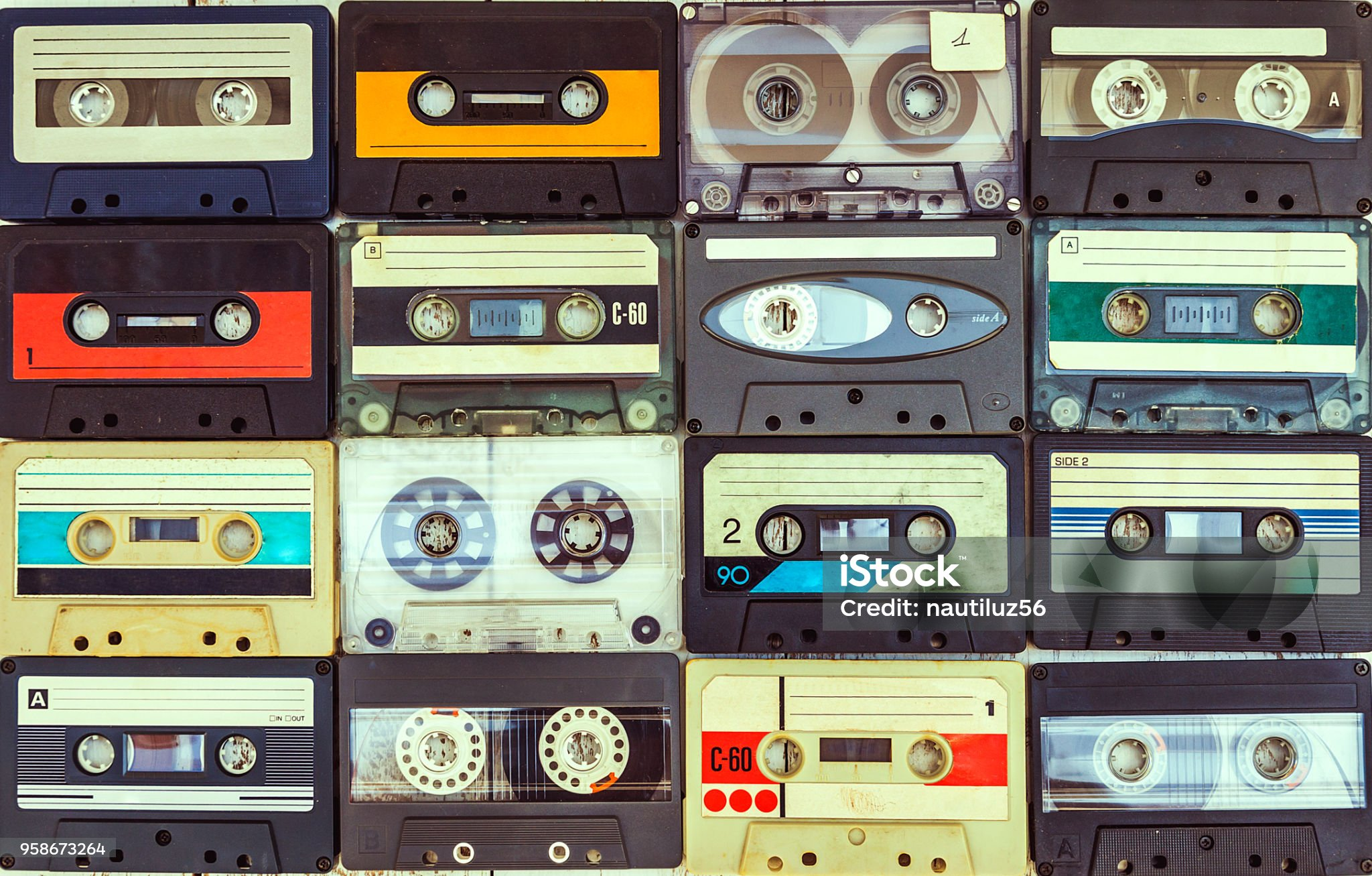
For anyone who remembers cataloguing their home collection of VHS videos, or the precise tension of a Bic pen wedged into a cassette tape, rewinding a mix you’d recorded straight from the radio (god forbid you’d bumped the bed while recording, or ruined your masterpiece with an accidental cough).

For anyone who remembers when a five pound note was a big deal, or, when negotiating, as a teenager, with your parents to use the one landline in the house.

If you are nodding to any of these throwbacks, this is a safe space, read on.

Technology has evolved in ways I can barely comprehend, and yet I’m not convinced life is truly ‘better’ now than 50 years ago, the year I was born.

I’m English, and was born into a middle class family. Off to a good start, you could argue.

Whilst my work in international development to date has offered me many alternative perspectives, my childhood was framed within the comfortable trappings of a loving family, with two parents who worked hard and put my brother and I before most other things (although not quite above making us wear seatbelts at 3am on the way home from a boozy party when Dad was, let’s not pretend otherwise, two sandwiches short of a picnic and over the legal limit).

Life was different back then.

I’ve written before about the fortunate timing of my arrival to this world, coming as it did on the back of generations and generations of families who’d operated more in the “children should be seen but not heard” camp.

I, on the other hand, was given a voice by my parents, and better still given the confidence to use it at home, at school, and in public. A freedom and a privilege that still bedazzles me. In the UK, at least, and in my household (that’s the only reference point I can speak to) the mid 70’s were a pivotal moment for kids.

Rose-tinted this introduction might be, let me get back to technology…

“Tech” when I was an adolescent, was having a fourth TV channel – Channel 4, no less – which curated hip new programmes for young people. Tech was recording WWF wrestling and American football matches overnight, and then watching them at 6am, with my brother and a large bowl of Cornflakes before school.

This, this was living.

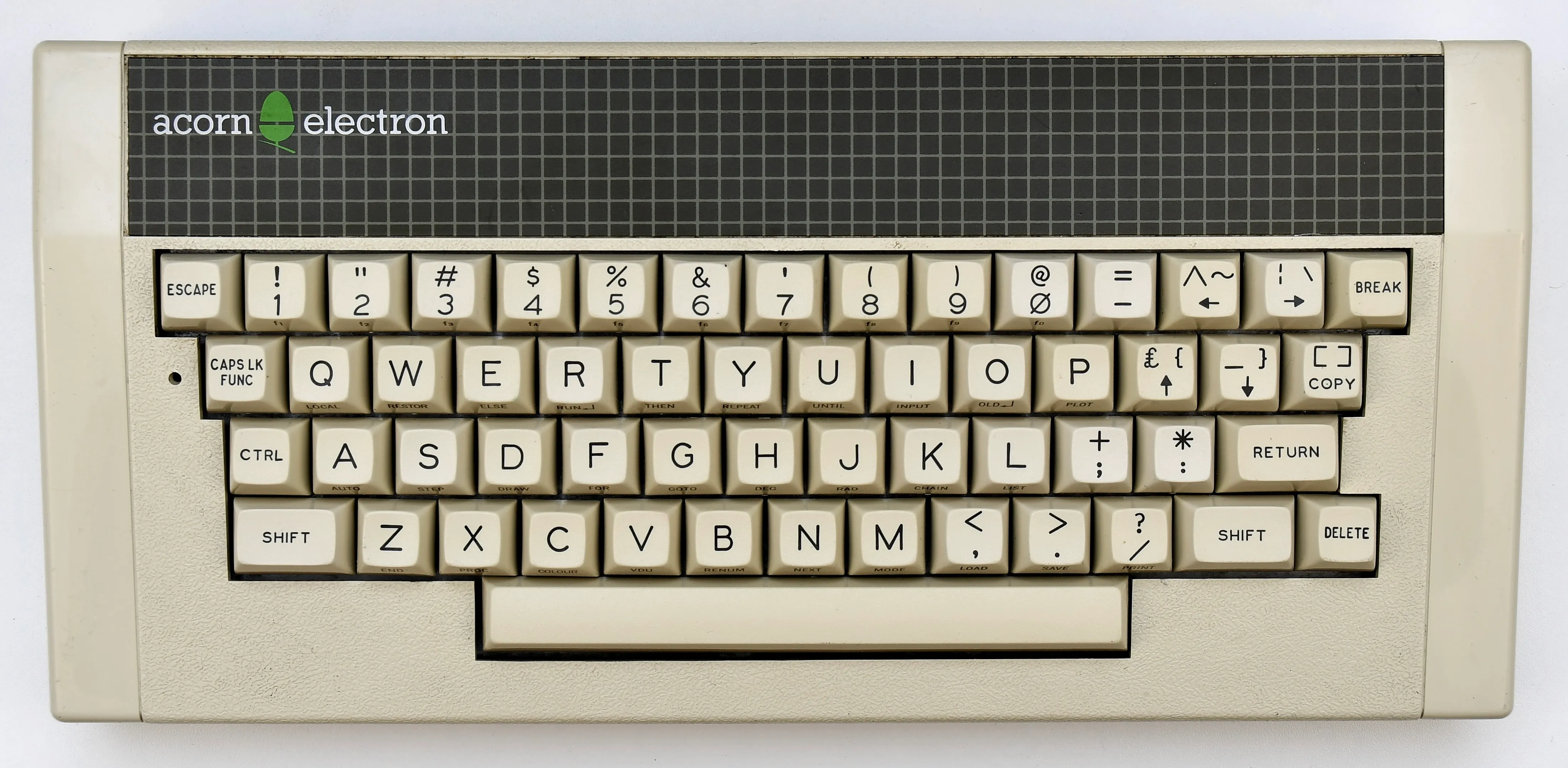
The very snazzy Acorn Electron, circa The 80s.

Just about the same time I got excited at the prospect of printing out movie names on a “tape gun,” and sticking these onto our VHS tapes (housed in a fake-mahogany drawer underneath a bulky television that occupied one third of our “TV” room) we acquired our first computer, an Acorn Electron.

This would have been at some point towards the end of the 1980’s. We were elated at the time. A brave new world, indeed.

Quality time spent playing Pac-Man on this computer was the sum total of my tech experience until I was fairly deep into my 20’s. All throughout university we wrote essays by hand and, aside from nights spent with my friends playing Street Fighter and Mario Karts, I was too wrapped up in parties and sports to be bothered with much else (although I do still have fond memories of rocking out to Culture Club on my Sony Walkman, on holiday in the Canaries when I was about fourteen years old. Does that count for anything?)

When I then left the UK to spend a year teaching in a village in Uganda, around 1996, I used up all my spare time writing and receiving dozens of letters each week. There was not a digital device within a hundred of miles.

I recall utilising the poste restante services of several post offices in Zanzibar and Mombasa during the holidays when I went travelling (this was where someone could mail you a letter to pick up from town to town, as you moved around). The build up of bubbling excitement on each occasion, asking if there was any mail for you in a far off African town, was palpable.

It was a fax machine that we used in Kampala back then, to communicate home. Just as it was a fax machine I then used to send out marketing posters to customers, during the first year of my inaugural “real job” working at World Challenge Expeditions, in London, in 1997. Our office had one computer, and we had to share it between twenty six staff.

In this same job I was given a car and, ultimately, an early Motorola phone. This was exciting, although I typically used it when I was driving, lodged between my ear and shoulder, a road atlas on my lap, whilst chowing down a service station sandwich (not cool, kids – do not do this.)

If these images have sparked memories for you then perhaps, like me, you feel rather luddite-y around your children, or around your younger colleagues at work, any time something to do with technology, coding, or gigabytes comes up in conversation?

I feel quite border-line on all this. On the one hand, I find myself actively trying hard to email, text, blog, build myself a website, and so on, whilst simultaneously lamenting a time now long gone, when I’d sit fixated by a friend’s hand-written letter to me from his or her respective university, catching me up to speed on their course, their love life, or their well-being.

We didn’t have any actual conversations back then about “well-being”. Nor many therapists or online-specialists to organise our thoughts, or to promote journaling, meditation or the merits of a decent granola. We connected through the compassion that can be found in words, and in the act of letter-writing or (and also a dying art-form, it seems to me) just calling someone for a chat.

My first unwittingly taken ‘selfie’ in the summer of 1995. Ahead of my time, I was.

I sound one hundred years old just saying all this, but I do hark for these simpler times.

My daughters connect a lot with friends via their phones. This is their time, and this is their way of doing what I did. And so it makes me very happy, intuitively, to imagine (and hope) that they are having an equally fulfilling childhood, as I know I did, when it comes to socialising. I’ll never really know, and it’s too much of a challenge to compare and contrast.

As ex-pats, living in the tropics, there are obviously lots of differences to growing up in rural England. However, I’ve long been at peace with the fact that my girls’ formative years are theirs, and not mine to live through vicariously. That they have social media in their lives is both good and bad, just as my brother and I had the television to keep us stimulated.

Social media is addictive, as is TV. But social media is also a platform for connection that, for now, offers so much more interaction and options, that I believe it can only be a good piece of progress, and I’m not fighting it. There are downsides to it, and I feel these will only become more pronounced, and how we all communicate will pivot once more towards something else. Right now, I think it’s fair to ask: are we all more connected, or just more plugged in?

Thirty years from now, my daughters will likely ruminate, as I am now, about the younger generation, and I can only imagine what might manifest then and how outdated AI will be by then.

Instead, as a holding pattern for me right now, I write letters and cards, when I can. I’ve been reading more poetry of late. I’ve been writing more thoughts down, the old fashioned way, and also stopping more to engage properly in what is going on around me.

All of which feels so familiar, it is as if hardly anything has changed since I was half the age I am now. It’s all still there, perfectly accessible.

Being more aware, and less dependent on your phone, is not unique, of course. Many people don’t have smart phones, and some are off the social media “grid” completely however technology is exponentially growing at a rate that I, for one, am failing to keep up with.

I’ll keep trying, but the truth is that I don’t think any technology can replace, for me, just how the trill of a phone ringing, or the metal clunk of a letter-box flapping, for those few seconds, used to made my heart skip a beat.

Last Day

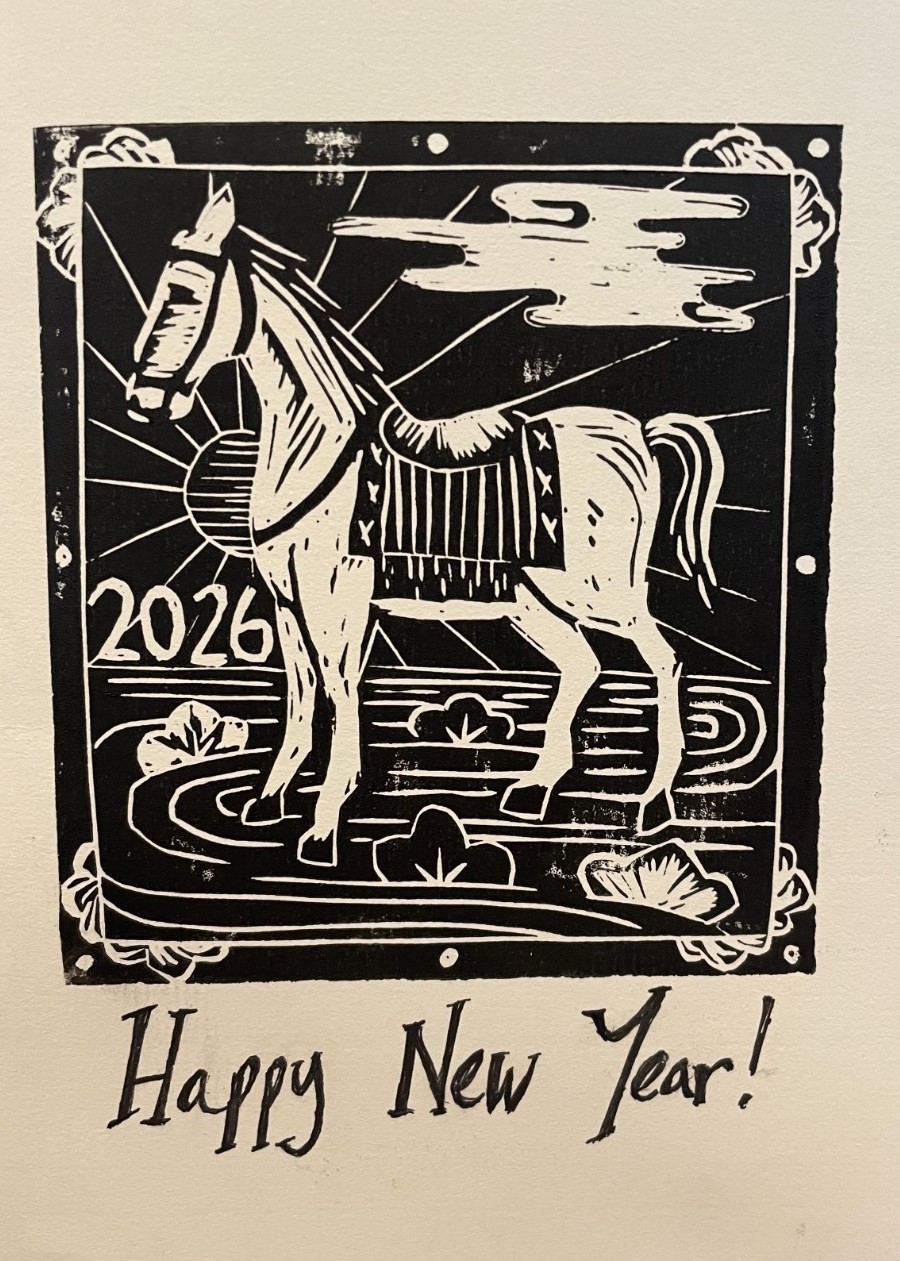
With the lunar new year just two weeks away, fireworks and festivities are being procured and arranged over here in Saigon, and the streets certainly feel livelier than normal.

This morning’s cool air is as fresh as we ever get to experience down in the south. Not the minus temperatures felt in other parts of the world, but a brief ‘Goldilocks’ period where the sun still shines, the breeze is almost cold, and the humidity abates. Not for long, mind you. But, it’s a welcome reprieve from the typically muggy, sweaty days spent avoiding the thick heat.

January is a reflection month for many, whether it arrives on the coattails of Christmas or, if you are Vietnamese, if it happens to be the month that hosts ‘Tet’ (Lunar New Year) celebrations.

Just as our cooler weather here momentarily provides a break from the norm, the ritual of Tet and the start of a new year mirror an instinct shared across cultures to begin afresh. It is a Tet tradition, for example, to spring clean your house and to pay off your debts, whilst containing your excitement at the prospect of receiving your year end bonus (an extra month’s salary.)

For those already a fortnight into 2025, ‘reflections’ on life are running amok over the internet. I read this morning, for instance, about the benefits of “mimicking hibernating” during the winter. We should slow things down, the article advises, and reboot.

If anything, for lots of people in “the west”, the hectic pace of life during December can be so relentless that, come Christmas, slowing down takes on a new dimension, as hoards of festive home comers almost immediately fall prey to fatigue, flu or the merry breakdown of over-used and depleted internal organs, the minute they slump in an armchair clutching a mince pie.

In the whirlwind of any major holiday, it is normal to feel that mix of exhaustion and exhilaration. It’s a universal rhythm, a reminder of both the joy and the effort it takes to celebrate life.

These rituals seem linked to our collective urge to reset and to reflect. Whether through meditation, or simply savoring small moments, we often seek out ways to reconnect with ourselves in the melee of everyday life.

Reflection itself is a valuable commodity, whether you are doubling down on it in January, or at other times of the year. It’s how we process the past and prepare for the future, and I suspect the practise of meditation itself becomes more popular the older one gets, for this very reason.

Once you have learnt how to meditate, I’ve heard it can be applied to other activities – washing the dishes, for example.

I’m currently trying to convince my daughters of this, in an attempt to make my invitations to them to take on a household chore be met with less eye-rolling, and to be treated more as a “short mental holiday” – a phrase I heard someone use.

On the occasions where such wisdom is not absorbed by my teenagers, I resort to threatening to dock their pocket money.

***************************************************************

As my kids have had weekly ‘mindfulness’ classes at school now for several years, I’ve half expected them to be advising me on the art of taking a short mental holiday.

When I was their age, mindfulness wasn’t taught in schools, because you magically created it for yourself. Aside from being sprawled on the carpet in front of the TV for hours on end, the rest of my childhood was probably about 90% “mindful”. We had a lot of time to kill just staring at things. Into the sky, out of car windows.

If we went on long car journeys, I recall, my brother and I would watch the rain droplets race each other across the car windows, as Dad sped up down the motorway.

And, if we’re playing that game, then when Britain’s first motorway – the M1 – was actually constructed, my father fondly remembers spending the day out with his parents, driving up and down it for the first time. Just for the experience.

Imagine choosing to drive up the M1 and back, just for the experience.

In many ways, it’s a reminder that, as children, we instinctively found wonder in the world around us. I think this can get eclipsed as a core skill, as we get older and inevitably become distracted with other things.

Valuing what we’re doing, as we do it, can therefore be surprisingly rewarding.

To listen, to breathe, to feel – these are all credible and affordable past-times, requiring no digital platforms, and no hash-tags. They’re small acts, but they create space for us to notice life as it unfolds, and also to pick up on the daily changes we experience, manifesting ever so slightly as they often do.

If January is a good time for a reset and to reflect, I’ve concluded that it helps to remember, too, that each day is unique. Today is the last day you’ll ever experience life exactly as you are now – your thoughts, feelings, and perspective will evolve tomorrow, even if only slightly.

We barely notice these changes from one breakfast sitting to the next, but change is happening – physiologically, mentally, spiritually. We might not realise it as a constant, but we’ve all had those moments – a photo, a memory, or a milestone – that remind us how far we’ve come.

In this way, I’m quite taken by the idea that we’re all works in progress, one day at a time.

To me, it doesn’t matter if you’re “better” tomorrow than you were yesterday, or not.

Being ‘better’ in different aspects of life is drummed into us (I suppose the opposite mantra doesn’t have quite the same appeal.) Rather than simply ‘better’ I think it helps to acknowledge being different today to how we were the day before. Even if you think that waking up and reaching for your phone felt pretty much the same this morning as it did yesterday, it isn’t.

Today will be the last day you show up, and the last day you feel, listen and breathe as exactly who you are today. Tomorrow is a different you. Your routine might remain the same, you might think you feel the same thoughts, and hold the same views, but you won’t.

***************************************************************

We’re all guilty of experiencing ‘FOMO’ – a fear of missing out – and I enjoyed reading a twist on this recently called ‘JOMO’ – the JOY of missing out.

That rush of relief at finding time being given back to you. Or, better still, proactively ensuring time for yourself is marked out. Saying “no” to things.

January, it could be argued, is peak JOMO territory for many people, given the lack of money and energy to actually go out and socialise in the first place.

FOMO in January? Of what?

I don’t think my FOMO will altogether disappear, now that I’ve discovered JOMO can be a worthy antidote to the constant pressures to do, to achieve, and to be everywhere at once.

JOMO, however, reminds us of the joy in stepping back, in letting go, and in savoring today. Because this day – this unique combination of who we are, what we feel, and how we see the world – will never come again.

And that is worth celebrating.

Catalyzing Change in Sri Lanka

For what might now equate to my tenth visit to Sri Lanka since 2010, I’m compelled, as so often has been the case when pacing down Bandaranaike’s airport terminal on my way home, to write something.

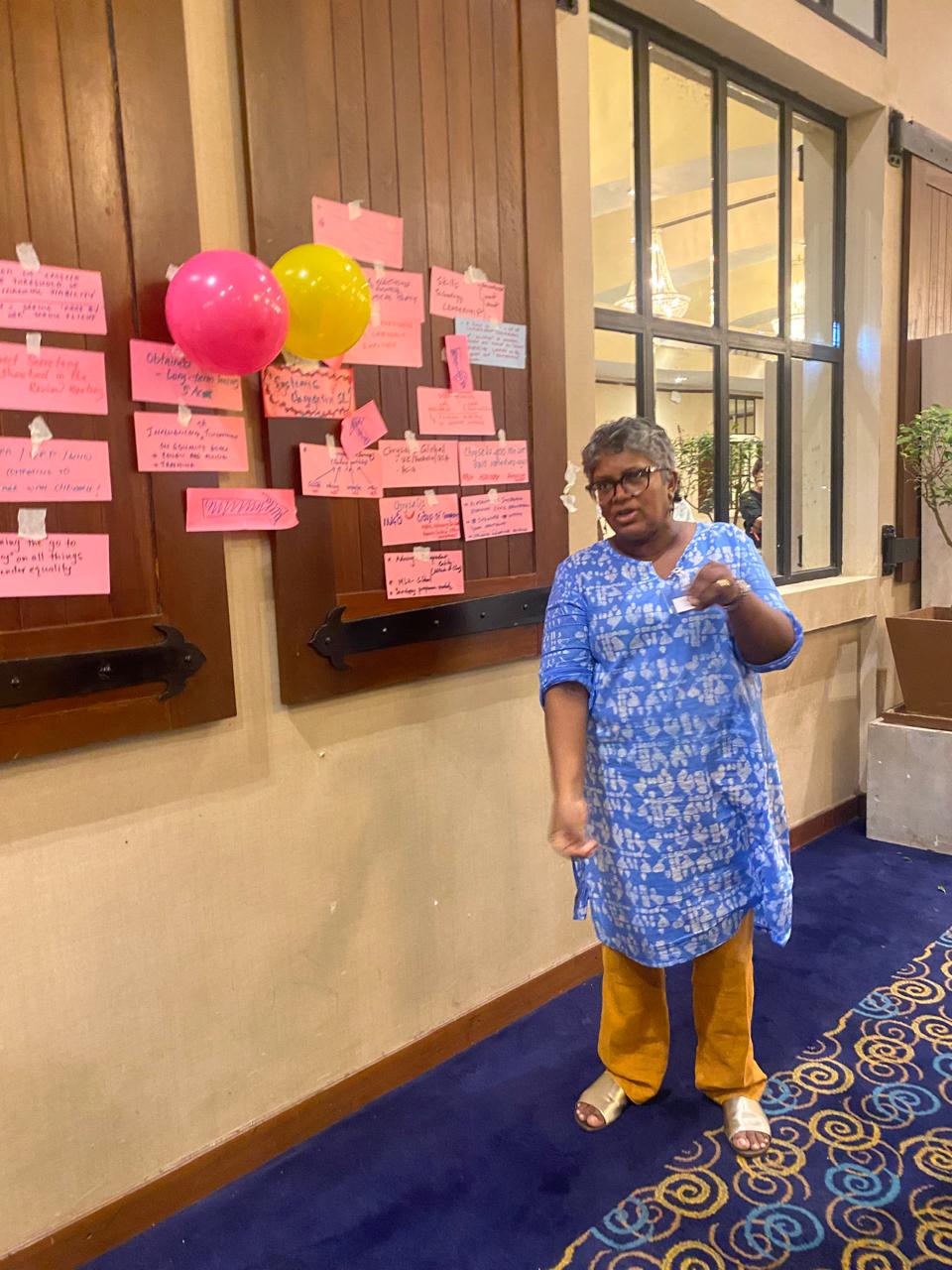
This trip was to spend time with the team from Chrysalis, a social enterprise that morphed out of the closure of CARE Sri Lanka in 2016, after half a century of CARE’s commitment to local communities.

In these last eight years, Chrysalis has grown its staffing from two dozen to over 125 colleagues, simultaneously reaching hundreds of thousands of Sri Lankans, with interventions designed to support business, community, and the future of the country.

COVID-19, and a catastrophic economic turnover in 2022, has not stopped the advancement of Chrysalis’ work and the resilience of its team. They are, to quote Tina Turner, “simply the best”.

This trip was to discuss their plans for the future, as a Board Member, and as a friend still to many of the team who I have known since the start.

Their CEO, Ashika Gunasena, is a force of nature, and an ardent supporter of women’s rights and investment in the country’s young men and women. She and her husband came to our wedding, in Galle, back in January 2020 and, with confidence, I can say that her leadership qualities are one of Chrysalis’ secret success ingredients.

Ashika has inspired those around her to inspire others. And what inspires Ashika? For one thing, all the dedication and expertise that is embedded in Chrysalis’ field teams and local experts. 

In that way, Chrysalis’ unique model is all about ‘flow’. Up and down, and across their organization, colleagues listen and learn from one another, and leadership is inspired not just from “the top” but from every corner.

To quote Ashika, “as well as thriving off of the knowledge of our local technical specialists and their dedication, the role of Chrysalis‘ core team is also paramount – they inspire, too, by their capacity and their relentless passion for making a difference.”

This weekend reinforced just how critical this human connectivity really is. 

With political tensions afoot, due to upcoming Presidential Elections, and social unease always bubbling under the surface, Sri Lanka continues to tentatively navigate an escape route from their 2022 economic malaise. 

Colombo is a small enough city to have made demonstrable improvements since I first came here, but this is yet to materialize. “The city desperately needs a facelift” claimed one of our Board to me over the weekend. 

As the north and east of the country slowly, but optimistically, open up to new infrastructure and commercial opportunities, many millions of citizens still rely on day-to-day increments of money on which to get by. 

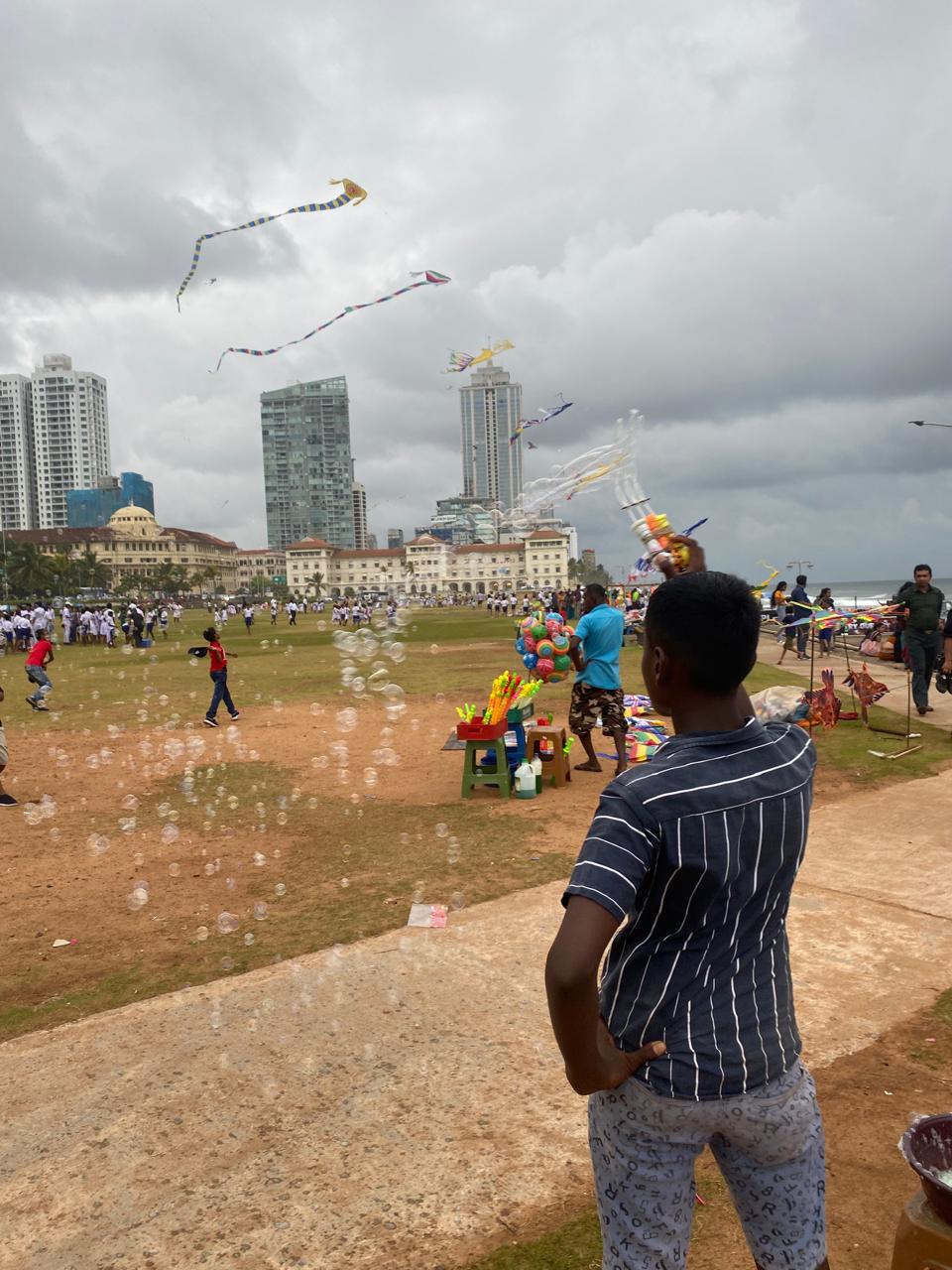
Just a few hundred metres from the plush, but rather raggedy hotel we stayed in 40 kms south of the capital, local life ambles on. The warm and genuine smiles remain – they are quite unlike any other in that regard – and the camaraderie and chirpy disposition of everyone you meet lifts the gloom of economic and social realities, and lights a way forward that is impossible not to embrace. Much like the bright beams you catch at this time of year through the brooding, grey clouds and the constant drizzle and random monsoon downfall – the authentic charm of Sri Lanka is through its human touch. 

Chrysalis is in great shape and, I predict, will flourish still more. Whilst its mission to empower women and youth is laser focused, its services are broad reaching and adaptive – from the provision of training to businesses on gender and diversity, to connecting artisans to more profitable markets, or advocating for the rights of workers to safer and more dignified workspaces.

There is a grounded, gutsy heart to the voice of this organization, made up of staff hell-bent on actually changing systems and societal norms. These are colleagues who stand for those most in need, but they do that by standing by one another.

Conducted over a long public holiday weekend, our discussions went on into the evening and no one complained. Field teams were driving 7 hours home on the final evening and were back at their desks first thing the next morning. The tempo on display here is relentless, as can so often be the case in the non-profit world.

Tight budgets and challenging local surroundings often surface some of the most innovative solutions and endear those closest to the “work” with a commitment that counts quality and integrity above all else.

I head back home inspired once more and thank Ashika and her team for that. Chrysalis is making positive changes in society and ‘walking the talk’, where so many others fall short. 

For more information about their work check out Chrysalis | Catalyze Inclusive Growth for Women and Youth (chrysaliscatalyz.com) or drop me a line. I’ll be sure also to share more on their programmes soon, over on http://www.definitelymaybe.me.

Nunky B

At the end of my uncle’s funeral service in September, the final music played was the “Ying Tong Song”, written by Spike Milligan and performed by The Goons. Here’s a link for anyone unfamiliar with this seminal piece.

I doubt any crematorium in the UK would, prior to that, have received a request for a song whose refrain includes the lines: “Ying tong ying tong, Ying tong iddle I po.” However, our congregation replaced shedding tears of sadness with wiping away tears of laughter as the song continued.

Shuffling past my uncle’s coffin, we each picked up a packet of digestive biscuits, his favourite, and held our gaze one last time in his direction.

Outside, we gathered by the bouquets of flowers, proudly wearing our paper rose buttonholes, fashioned out of Goon Show scripts, before coalescing at the nearby golf club, to stand in the early autumn sunshine staring up, as our cigarette smoke calmly spiraled into the sky.

Brian Edwin Copleston, ‘Nunky B’ to us all, was my mother’s eldest brother.

Their middle sibling, my uncle John, passed away almost 15 years ago, at too young an age of 68, and just five years after his parents, my Nana and Grandad, had also left us. Nunky B would have been 87 years old today.

Born on Guy Fawkes night, a few years before the outbreak of World War II, Nunky B was first and foremost an entertainer. Drawing on Goon Show humour during his funeral was the perfect send-off.

The Ying Tong Song that day came on the heels of my cousin Pip’s heart-warming eulogy for her Dad, a man who was never short of a one-liner himself (typically followed by prolonged, stifled giggles) all the way into his final days.

I wonder, now, what harnessed Brian’s constant energy to create fun and laughter?

Going through adolescence at the beginning of the 1960’s (my uncle’s formative years were spent growing up initially with the backdrop of war, and then through the austerity of 1950s Britain, followed by a period of National Service in the RAF spent in part in Cyprus) it is possible he was one of the last generations of young people to experience “civic” societal norms – the type where children, it was felt, “should be seen and not heard.”

My own grandparents were very definitely brought up during sterner times, and probably regurgitated what they had been taught back to their kids, albeit with softening delivery.

Fortunately, my baby-boomer parents modelled a new style of parenting that seemed to take hold in the early 70s, a pivot away from dictatorial etiquette towards, instead, allowing youngsters more of a voice. My brother and I were spoilt, compared to how we would have fared had we been born twenty years earlier.

Whether the various shifting societal changes that were underway, as my uncle reached adulthood and beyond, helped inspire and shape his humour, is perhaps less important now. It’s possible the “roaring ’60s,” with its new wave of music, fashion, art, anarchy, and general substance experimentations, whet the appetite of a whole generation – a welcome distraction from the challenges of the previous decade.

Certainly, in response more generally to the often-impossible bleakness and pain that many people endure, comedy has, generations over, proven to be a worthy antidote.

The Goon Show itself ran throughout much of the 1950s, amassing some two million radio listeners at its peak, with episodes airing across the globe. Cult-like in the end, the absurdity of Goon humour, with its free-falling satirical sketches ridiculing all aspects of British society had, until then, never been experienced in that format. The Goons established a unique genre of comedy, reprised in 1972 as part of the BBC’s 50th anniversary, when fans got to tune in one last time to The Last Goon Show of All.

Whatever lit the touch paper and sparked Nunky B’s wit when he was younger, it stuck for the rest of his life. As he and his wife, Angela, started their family, they ran a hotel for a number of years down in Porlock, Somerset, hosting weekends of jocularity with my parents, akin to Fawlty Towers episodes with Nunky B playing the role of consummate host.

One Christmas, my parents were roped in to help out in the dining room, relying mostly on the art of improvisation. If a diner requested, say, a ham and cheese sandwich or a pasty, someone would be dispatched to the local shop to buy the necessary ingredients, before muddling a plate, some cutlery and a sprig of parsley together, and serving it up with aplomb.

My Dad once received a request from a patron for a glass of “medium” white wine (because apparently the Sauterne the night before was “too sweet.”) On enquiring whether they had any medium white available in the bar, Nunky B immediately set to and mixed half a glass of dry into half a glass of sweet wine and declared “that’s yer medium”. The resulting beverage was delivered to the guest, who swished a small mouthful of the concoction like a true sommelier, before declaring himself totally satisfied.

My uncle himself hadn’t drunk alcohol for a long time. I recall clearly his disdain, during the earlier days of his abstinence, about how he’d woken up, the morning after drinking non-alcoholic Kaliber lager the night before and complained at having the “worst hangover ever”.

As kids, we were always excited when we knew Nunky B might be coming to visit. Whether it was for a Boxing Day gathering, with Brian wearing the infamous orange tights (traditionally passed on each year to unsuspecting family members) or him cracking jokes about “catching her teeth” as my Nana blew out her birthday candles one year – my uncle’s quick-wittedness is ingrained in my memory of those occasions, under the canopy of his cigarillo smoke and infused with his contagious chuckling.

He truly was a humble man, taking genuine interest in me and my brother’s upbringing – asking about our school subjects, our sports achievements and, in later years, the places we’d visited, and our own families.

He doted on his own children, Pippa and Nick, and he and my aunt celebrated their 60th wedding anniversary in 2020.

In more recent times, during the protracted months of lockdown, we would organize weekly family quizzes on Zoom. Brian’s health was sliding a bit during this period, however he was always on camera, and we’d usually have to halt proceedings periodically due to more bouts of laughing.

Encountering his own ups and downs, over his many years, Nunky B’s sense of humour, coupled with his simple adoration of our family – we are small, but perfectly formed – was an inspiration to us all.  

As a lifelong smoker, Nunky B was somewhat of a walking miracle when I saw him this summer. Although not in the best of health, and reluctantly “off the darts”, he was in good spirits and still managed to crease us all up, openly sharing, shall we say, a bit too much about some of his more intimate medical issues.

We exchanged our last words and hugged it out that day. Whilst, physically, his movement was compromised, Brian somehow managed to make it to the front door to wave us off, as our car pulled away.

At the time, waving back, I wasn’t sure how he’d managed to get all the way from his armchair to the front porch so quickly. But, there he was, framed in the doorway, wearing his crumpled brown pullover and moccasins, his arm aloft, beaming.