Roadrunner

“You’re probably going to find out anyway but here’s a little pre-emptive truth-telling – there’s no happy ending.” (Anthony Bourdain)

We watched Roadrunner over the weekend. It documents the life of Anthony Bourdain, a man I belatedly became quasi-obsessed with, not many years prior to his suicide, in June 2018.

It was the colourful biography, Kitchen Confidential, which spring-boarded him to fame, about 20 years ago, and almost certainly and aggressively pulled him away from being a chef in New York, to traveling 250 days a year around the world, making TV shows about food and culture.

Vietnam was one of the first countries to “wow” Bourdain, and go on to have a continuous and powerful impact on him, during his future visits here – including eating bun cha with Barack Obama up in Hanoi in 2016.

Other countries followed, each stirring up a cocktail of emotions, as Bourdain hopped from slurping street-vendor soup to smoking pipes with desert nomads, sampling exotic and, at times, gruesome cuisine along the way, determined as he was to inspire others to do the same.

As his film-making evolved, his line of enquiry became more intense and more considered.

Bourdain seems to connect well with everyone he meets (although, as commentators in Roadrunner will attest, directing him on camera can clearly be a nightmare).

As a viewer, I admired how he interacted with people on his travels, and noted at the time how his own careful, yet celebrity-kissed effervescence was often blunted by the authenticity, and the grace of the people with whom he momentarily spent time, or shared a meal.

As I was in awe of him, it was he who was in awe of the person sat in front of him at that moment on a plastic chair, talking about their livelihood, or about their hopes and dreams.

These emotions he experienced, from his constant exposure to different contexts and perspectives, and the lasting impressions they left on him, were then churned up and recycled, a million times over, amongst viewers, like myself, of his various shows: A Cook’s Tour; No Reservations; The Layover; and, finally, Parts Unknown.

For the most part, I imagine, these offerings served to inspire people on different levels. One tenet that runs through each series was the concept of being ‘on the move’:-

“If I’m an advocate for anything, it’s to move. As far as you can, as much as you can. Across the ocean, or simply across the river. The extent to which you can walk in someone else’s shoes or at least eat their food, it’s a plus for everybody. Open your mind, get up off the couch, move.”

What Roadrunner illuminates, through its intimate outpourings from Bourdain’s family and friends, was that his years of travel were “never about the food.”

To spin a metaphor about how he might, instead, have been using fame, and trips overseas, as some kind of personal odyssey, so as to make sense of his own anger and frustration with the world, as well as with himself, could easily be construed as simplistic, and trite. However, it’s easy to see how this could have been the case: he was a man who never settled, was “always rushing onto set, or rushing off it…fleeing home, or fleeing from home” to quote from the film a sentiment that echoes throughout it.

During these chaotic, yet lucid, sojourns from continent to continent – drinking pulsating cobra heart juice in Thailand, being evacuated from Lebanon during a war, or just blustering through tequila shots with rock stars in Joshua Tree – there are some moments of ‘stillness’ for Bourdain, that Roadrunner captures. Moments where he does seem to find a karma, of sorts: becoming a father; being in a new relationship; breaking into deep smiles with friends, at very precise moments of camaraderie.

You feel, watching, that this stillness could provide a commendable corollary to the rage, anger and boisterous indifference that peppers most of the narrative associated with Bourdain. His can be a sensitivity, a genuineness and a purity unbridled to most who choose to place themselves in front of a camera lens.

Ostensibly, Roadrunner catalogues the litany of one man’s lifetime of reflections, circling around an over-arching curiosity that Bourdain pursued right until the very end. A curiosity which sought to answer some of life’s most existential questions.

And, for me, it’s this combination of anger and of calmness, with which Bourdain jostles, that make for such an engaging canvas on which to then let his curiosity run free.

In this sense, watching Roadrunner, like watching an episode of Parts Unknown, is made to feel a hugely relatable, and grounding, experience. Temporarily accompanying Bourdain on his quest (and, in the case of Roadrunner, condensing into a couple of hours Bourdain’s 61 year commitment to seeking out answers) is nothing short of an honour.

In his two decades of film-making, he made it clear that “aspiring to mediocrity” was never an option for him, and in that regard I feel he maintained the highest of standards.

That the last third of his life was spent “on the move”, very publicaly asking these questions – skittishly and consistently unsatisfied with the answers he was uncovering – is both upsetting to observe, as well as acutely uplifting, and insightful, all rolled into one.

Anthony Bourdain challenged norms and behaviours – relentlessly, and as widely as is possible in a lifetime – in search, perhaps, of the impossible.

That every contributor to the film, on camera, finds themselves lost for words, in their attempts to sum up, respectively, what Bourdain’s legacy might be, and indeed why he chose to end his life, is in itself a testament to the enormity of what he’d been committed to achieving.

Visibly moved to choking tears, one of Bourdain’s close friends (still angry at the reality that he’ll never again have his companion sit with him) challenges the film-makers to select a cheesy, closing scene of Bourdain for the final seconds of the film – “ideally, him walking down the beach on his own…he’d hate that” scoffs the friend, grinning.

The same guy then shaves his head (uncut since Bourdain’s death) and heads off to graffiti one of the nearby murals of Bourdain, in his neighbourhood – a last ditch attempt to connect with, to laugh with, and to indulge with his friend.

It’s a fitting and special tribute, because it’s so profoundly different, conventionally, to how people normally would behave in that situation.

In many ways, it’s the perfect tribute to a man who held a similar principle close, in all that he set out to accomplish, even though you got the impression he never quite knew what that actually was.
Time Poor

If seconds were gifted to you as money,
I wonder how much change you’d keep - 
by the end of each indulgent day's splurge - 
as you lay yourself down to sleep?

this gift will not save, these funds 
must daily be spent,
the wise man (in this realm of wealth) 
holds not back investing a single cent.

so, as dawn breaks and you wake afresh, 
be sure your path of choice is clear,
the returns you seek can be cashed in 
only whilst you are here.


Freedom

In the arc of a late afternoon sunbeam

golden films of swirling dust alight

on slanted books – shelved for years –

patiently bursting with stories and wisdom,

the poor man’s fix

in an insatiable, self-obsessed world

unbound and reinvented daily

too often through greed,

too soon through conflict –

not so, these books

their brown glued spines

and whiff of summer days

slumped by an open window,

the majesty of their fond attachment

to a past where crumbled paper-bags

hoarded liquorice string and rhubarb sours –

they accompanied us in long grass fields

under empty skies and fluffy clouds

during the thrill of birthday cakes and candles,

they were there for our innocent surrender

to playtime and make-believe

the tenderness of thought and action

of boys and girls –

before uniforms and chalk-dusted elbows

become beguiling teenage tendencies

which lead us not into temptation

but towards choice and decision-making

and the sharing of one’s own literature

our stories – our wisdom –

our time to walk freely and to be.

A New Normal

Most of the small talk on zoom calls I’ve sat through, since last March, has defaulted to comparing Covid experiences, before a collective shrug of acceptance jolts participants out of their daily fug of speculation, and moves us onto other topics.

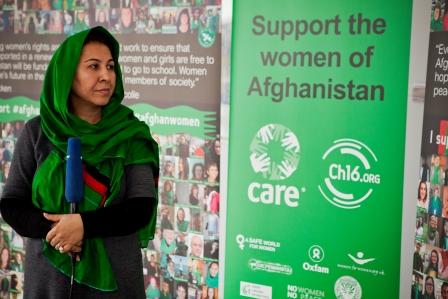
Within the aid sector, many commentators have articulated the typically unequal impacts of this pandemic on those in society less well off. Women and girls, as usual, marginalised and made more vulnerable. Poorer countries, and within them, poorer communities, confronting the harsh realities of their inability to access medicines and quality healthcare, in order to counter the virus.

Here in Vietnam, 31 million vaccines are due later in the year. Over in Western Europe and North America, many family and friends are upbeat about a return to “some kind of normality”.

For others, billions of others, Covid is lower down the list of zoom ice-breakers.

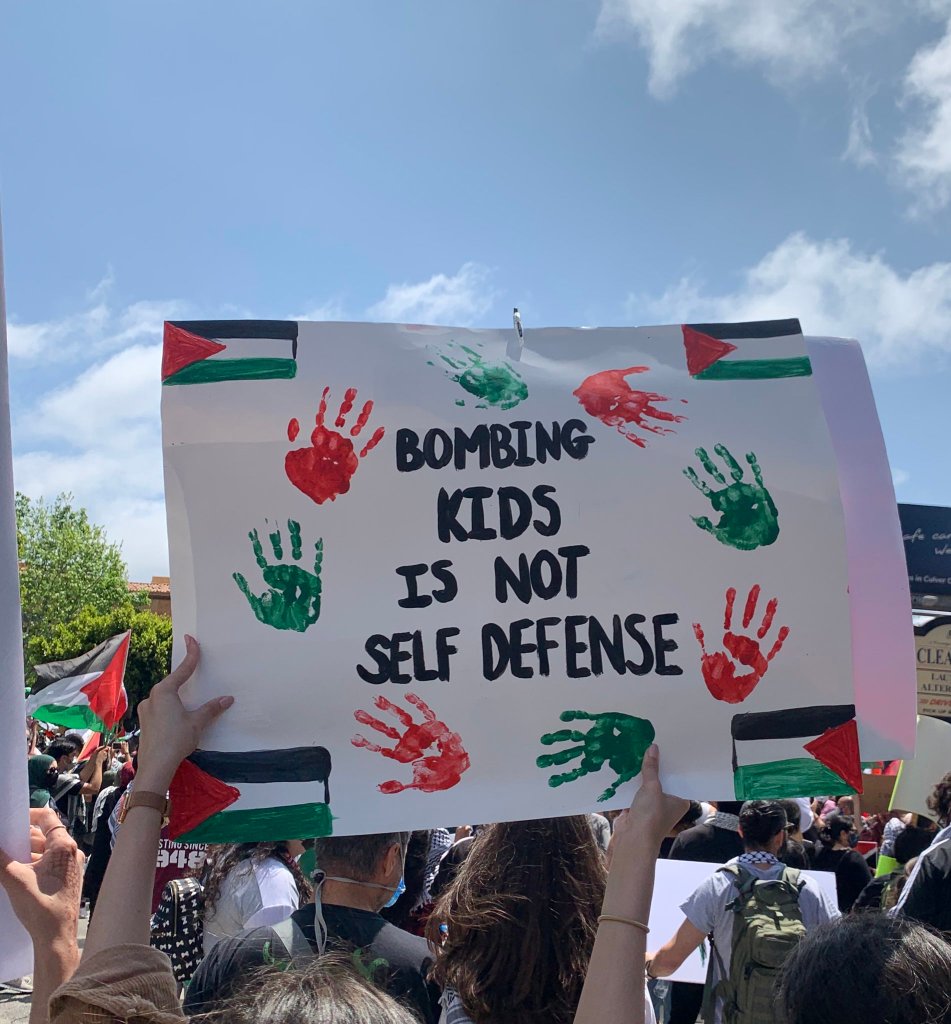
For Palestinians, whether living in Gaza, the West Bank or in Israel, the Eid celebrations of the last 48 hours could not have been more muted and shrouded in pain. The oppressive nature of a global pandemic suddenly rendered null and void, as children are blown up attending family dinners to celebrate the end of Ramadan.

In the past, when returning from an overseas assignment, and attempting to write about what I’ve seen or felt or done, I’ve tended to feel like a massive fraud.

Being a white man, working to promote women’s empowerment and gender equality – especially in parts of the world culturally enveloped in norms and behaviours that are wholly different to mine (I’m British to boot, which is just another delightfully ironic brushstroke on my rambling canvas) – tends to ensure I never feel very authentic.

All I know, when following this week’s news from Jerusalem and from Gaza, all I know, from the platform and vantage point that I have (ten years living in Vietnam, and visiting development programmes in two dozen countries), from working with Palestinian colleagues, and from travelling into Gaza and parts of the West Bank in 2017 with them, all I know is that the lives lost in this week’s conflict – lives now broadcast simply as numbers, and added to the long list of fatalities from both sides, stretching back to the end of the Second World War – were lost in the most unnecessary, unconscionable, and heart-breaking of ways.

Jonathan Freedland wrote on Friday about the hope that Gazans must be holding so close, that they can get back to normal, but that it is this ‘normal’ that has resolved nothing over the many decades of negotiations and cyclical conflict.

I concur with that sentiment. And I wonder how, through articles like his, and through the media writ large, it might be more plausible than ever before to build solidarity for those parts of the world (and there are many others to note, although none quite like this one) faced with a normal that can only be imagined by the rest of us as the stuff of nightmares?

Neither Jewish nor Arabic, I spent two summers working on a kibbutz in 1995 and 1996 – an experience I still hold dear – and then I’ve worked within the international development community since 2006, with any time spent on Israeli-Palestinian relations very much landing my support on the side of Palestinians.

As a friend suggested to me, one’s own social media preferences can play a big part in shaping our views on things. However, human contact and the visceral experiences that come with this, also lay deep foundations when it comes to forming opinions.

In terms of this last week’s events, I’ve read the arguments from both sides and of course neither will back down to each other. That much is certain.

For me, it remains impossible to justify the bombardment of Gaza and the killing of innocent families. Whilst the Israelis will blame Hamas for all things, it’s hard for me to see past what I saw when I was there, 4 years ago to the day, and not to see how the Israelis are complicit in the oppression of Gazans. A Palestinian fisherman was shot dead the week I visited, because he’d strayed outside of an allocated fishing zone, picked off by a military boat, patrolling the sea borders. His story lost amongst an ocean of others.

To live in Gaza with children must be a chilling experience. During the 2014 war, a colleague told me she went to bed every night (for over two months) covering her face, in case her house was bombed during the night. She wanted to retain some dignity in her death and, wearing a veil whilst sleeping was all she felt she could do to achieve this.

Other parents around the world went to bed last night feeling the same as my colleague did 7 years ago.

In Yemen, in Tigray, in Myanmar. All bloodshed this year, as it clearly so often is, has been both needless and poorly shared with the world. This is usually what happens, however Covid has compounded the phenomenon, taking over the lives and the algorithms of most people.

In the UK, no one is talking about Brexit that much anymore. Pundits are concerned, instead, with banning flights from Delhi into Heathrow. What of the British Government’s response to this week’s carnage in Gaza – “the Israelis have a right to defend themselves” – that, from the UK Secretary of State for the Middle East and North Africa. For me, his statement speaks volumes – none of which fill me with anything but frustration.

Treating with caution the views of extremist Israeli and Palestinian commentators and activists, and beneath a political frame and nuance that experts and historians are ten times better equipped to speak to than I, it seems to me that it falls (and has fallen) to other countries, including the UK, around the world to intervene in this insanely protracted and bleak generational cycle of war.

I am sure some would argue this responsibility doesn’t fall to others. However, in life, when two people are in conflict, it is very unusual to expect a resolution without a third party to facilitate a compromise, or to mediate the issues. In which case, how do Egypt, the US, the UK, Jordan and other countries’ governments, rest easy at night, knowing they have played a part, through their inaction or their bias, in the slaughter of innocent citizens?

Given the UK supplies so many weapons to other nations, and that past US administrations seem well sided with Israel, the vested interests of too many of these intervening countries seem set to supersede their effectiveness of actually finding a solution.

More campaigning for peace is required, more petitions, more journalists like Freedland given the platform to put forward opinions. All of this must continue, even if it’s merely pressing at the peripheries of some of the fundamental issues and decision making entities.

We can’t stop talking about this. That’s all I know.

When I was in the Old Quarter in 2017, I met a Palestinian shopkeeper who, genuinely, was holding out hope that Donald Trump (due to visit the day we left the region) might actually, actually, be the first US President to support peaceful resolutions that were sustained. The irony of the idea wasn’t lost on either of us during this exchange, but the shopkeeper represented so many local perspectives on the subject of peace, so deeply rooted in generations of disappointment, that he was allowing himself to dream that Trump might yet be the answer.

I wonder if this same man, this morning, is re-directing his hopes towards the Democrats, or, instead, simply praying for it all to stop?

Stillness

The thick warm air
Always catches me by surprise -
An enveloping tropical blanket breathed in
And settling, while I lace up running shoes
To the sweep of a broom
Outside my gate.

I’m coaxed off the perch of my
Front door step
By the prospect of adventure -
In autopilot I saunter along,
Muscles purring, dawn still an hour away.

The morning rays to come,
That slow-cook the city,
Bake the uneven pavements
And simmer the layers of long-sleeved
Crowds, astride their spluttering scooters
Inching forward in morning traffic,
Past sugar cane juice vendors and the
Waft of street-food.

Until the chaos and jostle of life here unfolds
I have these streets to myself.

With each new stride the pulse of blood and adrenalin
Propel me,
Afford me a freedom,
An openness
A calm, to anchor the rest of me in
Temporary vacuum, sealed off
From the humdrum of the day ahead -
Egos and speculations,
Emails and negotiations –
A freedom of feeling connected to oneself

Threading through the darkly lit hems and alleyways -
An urban avatar of sorts -
I choose my path,
Control my outcomes,
Primordial, raging instincts pull me faster forward until
The stillness is complete

Exhausted and gasping,
I stare at the giant orange orb
Cresting over Saigon bridge.

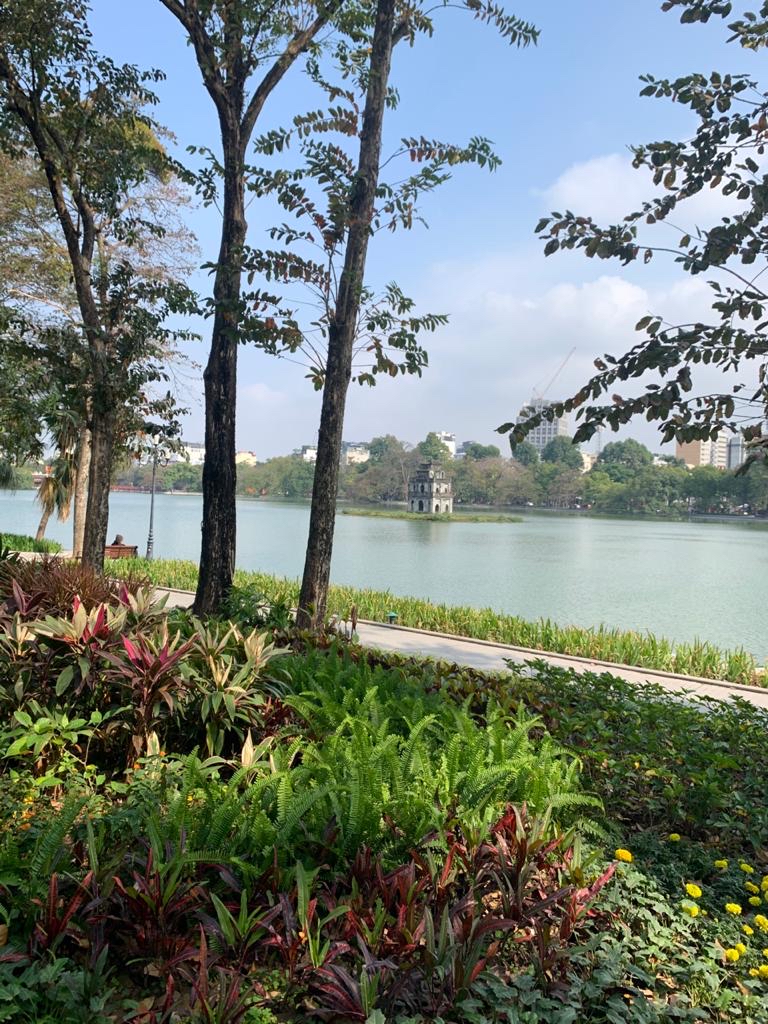
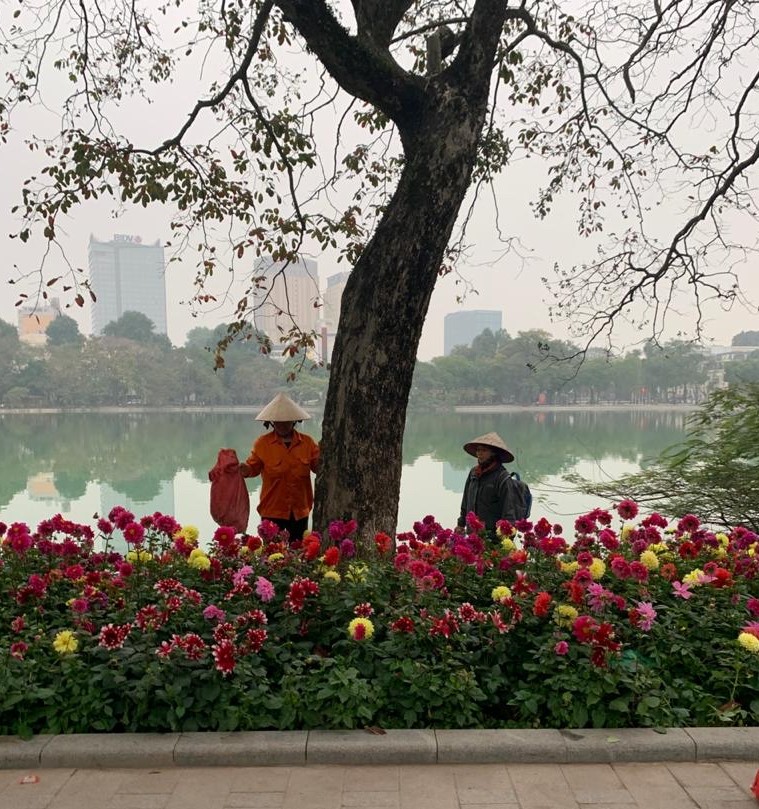
Hoan Kiem in springtime

Delicate white wings flutter
Lakeside
Swimming through tall fronds
That sway in the cool breeze.
Shards of sunbeam parse through
The canopy of tree branches,
Softened by park chatter
And the symphony of scooter horns.

Across the cafe tables a lone singer
Warbles,
As traffic inches on
And policeman gossip.
Above them the red and yellow flags
Of a country
Once on its knees –
Now making strides
Against all odds, and
In spite of others’ preconceptions.

How little Hanoi changes
And yet
How significant that continues to be
In a world of flux,
Simulation and pain.

Independencies

One of my clients has me coaching individuals in Nigeria at the moment. I know very little about the country’s complexities, save from a short assignment a few year’s back, which brought to light the sheer scale of the problems caused there from ongoing conflict. I had a plane ticket booked to visit at one point, but unfortunately this got canceled.

Without the presence of Covid, I am certain I’d have travelled back to the continent in 2020, for one reason or another. A year of teaching in Uganda, in 1996, still surfaces tingling memories for me, and I’ve visited several times since.

And so I found myself, last night, with familiar Africa “flashbacks”, as I walked through my initial session with two colleagues from local Nigerian organisations. With the merest of warm accented expressions, as they introduced themselves, I was transported back to the colours and sensations I’d lived with as a 21 year old, in the north western province of Kiboga, Uganda. Even as I type these lines I am smiling again.

It will be of no surprise to anyone who has graced these pages (I’ve written about teaching in Kiboga, and Uganda often features in my writing) to learn that I have a soft spot for the place. Or, additionally, that I’ve a soft spot for travelling generally.

That would hardly have been a claim to fame, up until last year.

Although, when you roll back a generation before mine, how quickly people of my age were gifted the opportunity to travel as we did. In 1970, when my Dad was 21, flying to a remote village in Africa was logistically feasible, but ill-advised by most authority figures. A job and a family were deemed the priority for anyone fortunate enough to finish their school careers in 1970, let alone complete a University degree.

How quickly, too, have these luxuries of movement been curbed by the current pandemic. Whilst some of the world’s population will never have many opportunities to leave their home countries, the adjustments being made by those of us accustomed to catching flights on a monthly basis have been significant. Yet, they’ve brought with them significant dividends, too, re-calibrations the world over about how we communicate, co-exist and organise our day-to-day lives.

My eldest daughter Florence embarks, next week, on her annual school trip, comprising 4 nights away down in the Mekong (which, I appreciate, is a ridiculous sentence to share in public, knowing what constraints and stresses so many young people are under in other countries). And it’s got me wondering what types of adventuring she will experience in the Mekong, and how this will shape her independence?

My time in Uganda taught me a lot about independent living. I suspect Flo’s school trip isn’t quite the corollary, yet, to traveling solo in Africa, but I can’t help muse over how independence is experienced by youngsters in the present day.

With technology advances, you’d need to pick a relatively off-the-grid overseas assignment these days to curate the type of raw isolation that my friend, Flora, and me experienced in Kiboga as teachers during our respective ‘gap years’ there.

We used to take one mutatu taxi ride into the capital every 4-5 weeks, along an orange dirt road for four hours, in order to eat in a restaurant, before sending a fax to my parents from Kampala’s main post office.

In our village we had one “wind-up” phone that only received incoming calls, and I’d use the fax machine to arrange the phonecalls. Must have been a nightmare for my parents – more so had they known, back then, that a few tourists had been abducted in the Rwenzoris, just a few clicks away from where we were living, a fact I chose to keep to myself at the time.

I wrote countless letters during that year. Read books. Took photos on my camera that I then posted home to be developed. We used to listen at night to the cicadas, sipping sweet milky tea and buying single cigarettes from the wooden huts down in the village, all of which constituted as a more-than-agreeable set of past times, and the awfully manufactured cigarettes a delicious vice, when paired with a half litre bottle of Nile Special beer.

I couldn’t have asked for more in life during those semesters of teaching.

And, in between, on wildly unplanned and disorganised school holiday trips, I was perhaps experiencing some of the truly “once-in-a-lifetime” episodes where independence, innocence, youth, and adventure were all magically rolled into one.

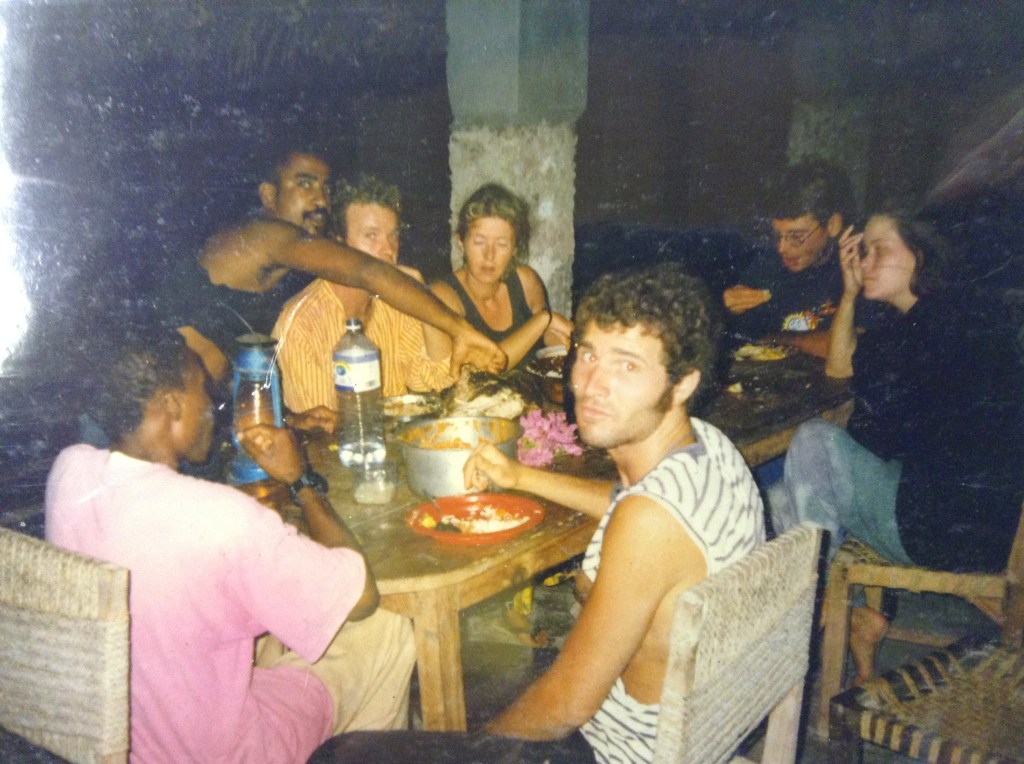
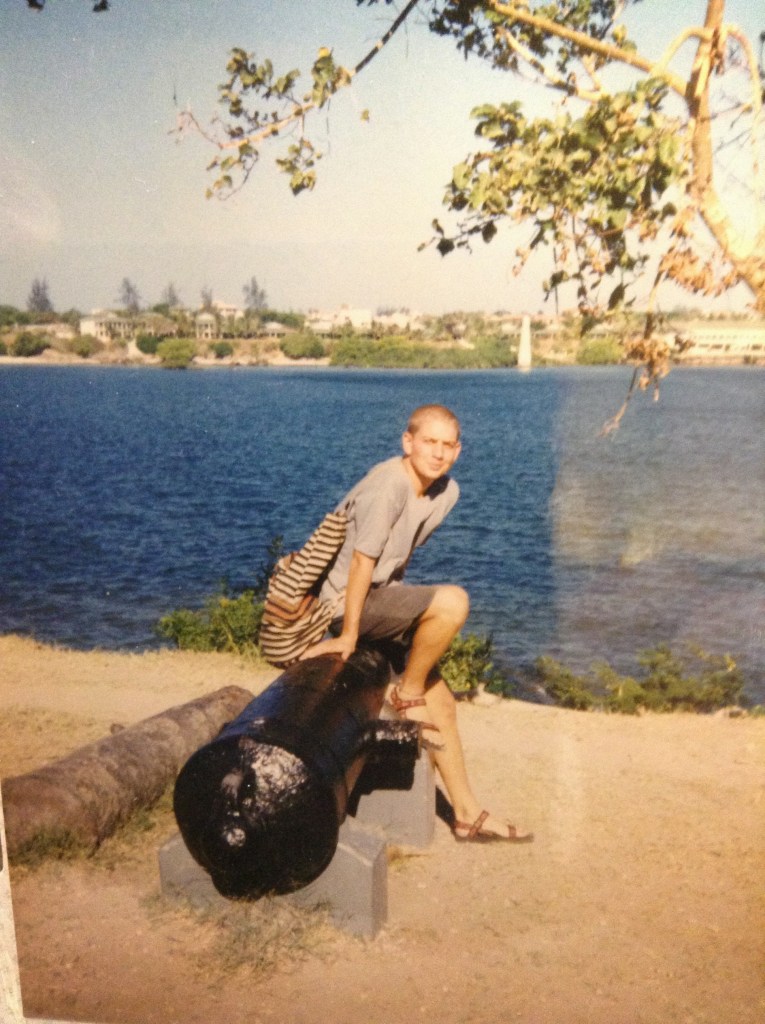
On one of these trips, we went across to Kenya with our backpacks and not a lot of foresight (it transpired). We were robbed in Nairobi, not physically, but conned by a guy we met in a night-club who we instantly, and naively, trusted. In Mombasa we slept in $2 hotels and survived on a lot of fruit and local fried cassava. And then in Lamu, a muslim island (that still bans cars) we fell hopelessly in love with our daily existence of lying in hammocks and laughing with other globe trotting vagabonds.

On one day, we sailed in a dhow with our snorkels, and joined a local spear fishing group. Fish caught and duly cooked fresh on the beach, with mangos for dessert, I then fell over on the rocks and had to get kayaked to a clinic to have my hand stitched back together.

Not pleasant, but I also don’t recall it being hugely inconvenient for the next week whilst it healed. It was, perhaps, more of a disaster that the first my parents were to learn of the incident was when they developed the film a month or so later that I’d forgotten captured the actual “surgery”. I still feel quite guilty about that.

During our travels in Kenya, Flora and I made our journey up as we went. No internet cafes, just “Post Restante” options where parents could send out letters to post offices in advance, and in the vain hope we’d pass by at some point.

Whilst travelling in Zanzibar I remember, one afternoon, filling in an application to study journalism at Goldsmith’s College, London. Mum had sent me the form to the post office there. In the end, Goldsmith’s wanted to meet me in person, before the end of my teaching post, and I declined to go back for the interview, as it would have ended my time overseas.

The truth was I didn’t want to have the future encroach on my present.

One of the other teachers I’d met in Kiboga, Dominic, had spent a year there before I arrived, and I’ll never forget his leaving drinks, and his wistful and emotional breakdown in front of me, at having to return to the UK. He’d planned to buy land and goats in Kiboga, and set up shop there for life.

*********************************************************************

My daughter’s Mekong camp next week, I hope, will contain some of these special elements and emotional triggers, setting her off further down the path of independence, at the start of the year during which she’ll become a teenager.

Lockdown, last spring, definitely ignited Flo’s independence. In particular, during the three months that her school was closed and she studied from home, learning how to use Microsoft ‘Teams’ and revising for exams without the need for much help at all.

She’s thrilled at the prospect of four nights away from home with her friends, which is partly her personality and partly, perhaps, because Vietnam’s response to Covid has been so vigilant that life here has continued quite normally. Whilst we can’t leave the country, and no one can visit us, the ease of movement and lack of impact on social circles and socialising has been something to treasure.

That this freedom has been compromised elsewhere in the world remains a stark comparison.

That traversing relatively carefree across continents as I used to do (first as a graduate and then as someone working in international development) might never quite be the same experience in the future, is also now a clear reality. Generational changes are expected, but Covid has smashed into tiny pieces anyone’s sense of what normal looks like, and how change can manifest.

So, as a result of this, independence inevitably could take on new dimensions and new meaning. As my generation’s wave of hungry globe trotters reaches a shoreline, the natural inclination, because of Covid, to focus in on family and loved ones, could be said to be ‘cresting’ in various forms, and defining new social norms and inclinations.

I’ve spoken to many people, locked down for 9-10 months now, whose adjustments to home working and confinement are making them question if they’ve lost the ability to make small-talk, or if they’ll have the drive to be constantly socialising again, once restrictions are eased.

Ironically, I heard that last year, per capita, the Australian botox market outdid its American counterpart, with makeup sales also spiking, alongside Covid increases, because people had spent more time looking at themselves on zoom calls than usual (and, presumably, deciding they didn’t like what they saw!)

I’ve no doubt societies will bounce back, in part because of our natural desires for companionship and kinship, for expressing ourselves and connecting with others. Life and living will adjust, and young people will find their own way and their own form of independence.

The more spiritual outcomes from gaining one’s independence in the future needn’t be any different to my memories of them and current expressions of them.

As Flo might reflect, when she’s 45 years old, the natural ebb and flow and order of things – inside or beyond this pandemic – need never prevent each one of us experiencing our own moments, and the life-altering effects that accompany independence and discovery.

Long may that continue as an arc.

Steps

The seagulls perched cheekily on top of my Auntie’s fence-post in Hove. I recall her comical shooing of them away, as we left her house and turned to face the promenade and the English Channel.

Auntie Marie walked two miles every day. She lived for three decades as a widow, from the age of 63, up until her final years in an old people’s home. She married Arthur in 1951, when she was 28 and he 50. Arthur worked for British Rail, and I remember him fondly more for the things he didn’t do. I know he had a colourful sense of humour, but was also a calming presence, and a fitting anchor to Marie’s chatter-box tendencies and her permanent conjecture at our country’s “disastrous politics”. Arthur was a congenial foil to Marie’s boisterousness.

A staunch socialist (when she wasn’t benefiting from Arthur’s First-Class pass, up and down the UK rail network!) Marie would, by now, have pulled the remainder of her hair out had she been around to leaf through any of this year’s media headlines.

Her indulgence – in addition to a regular “Rocket Fuel” concoction (gin, campari and vermouth – now, I’ll admit one of my favourite drinks) she shared with her older sister, Helen (which typically resulted in hearty confrontations and heated political discourse) – was a copy of The Guardian newspaper, for which she performed her daily pilgrimage.

I stayed with her several times down in Hove after I left school. She always prepared a spread of food, which always included a pork pie and some sparkling wine. I greatly enjoyed our conversations during those times, and the grown up feeling of independent thinking, for which she was a keen promoter.

She had been obsessed with keeping my brother and I “grounded” when we were kids, and aware of our fortunate existences in the grand scheme of all things. Chastising us whenever we complained about minor things, she also took genuine interest in what we were doing with our lives – especially my brother’s passion for sports, and mine for writing. When I started to spend more time overseas, first in Uganda as a teacher and then, later, moving out to Vietnam, I relished receiving one of Marie’s letters in her familiar scrawl.

All throughout my 20s and 30s, I don’t suppose Marie ever missed a day of walking to pick up her newspaper. Buoyed, perhaps, by the salty breeze and the pastel colours of Brighton-by-the-Sea, or just stubbornly loyal to a daily routine of exercise and familiarity?

I’ll never quite know what drove her, and what kept her going, marching as she was then towards 100 years of stepping out, and being alive.

***************************************************

All of this year, I’ve kept my own ‘stepping out’ routine. 10 kilometres each day on average (according to my watch) I run around different parts of Saigon, typically in the sleepy, dark moments before sunrise.

I’ve been calling this my “medicine”. A tonic, of sorts, to bevel the anxieties that irksomely surface from time to time. Questions about the future, or the day-to-day pressures of freelance work – I’ve no doubt I could extrapolate, as could we all, this year.

The steps I take, it’s clear to me now, provide a purge. The reverberations of the act of running, the very visceral, physical cadence, has remedial qualities. It transpires then that the concept of “working out” can have double meaning: running, you could say, creates the time and space for clearer thinking, and the working out of solutions to any tangle of issues you’ve been incubating.

A feeling of purpose can be achieved when you run. You are doing something in a physically focused way, which allows you then to turn your energy away from the something else (working, thinking, worrying) that has so consumed you.

Another way of describing it, in my experience, is that you can be alone when running in a way that doesn’t ever feel isolating.

I wonder if Marie felt this, too? An empowered self, outside, walking the promenade, allowing her senses to be triggered and for them to curate her reality. Rather than for her reality to be managed by a journalist or a politician. Or, in our wider, collective case, by the internet’s 7 billion commentators, in one form or another.

Confinement, this year, felt across the world, has been, and remains, profound – particularly for someone of my spritely years. No comparison exists for me to the impact of Covid-19.

Auntie Marie would have been 98 years old tomorrow.

Were her dementia, a few year’s ago now, to have held off longer, I know she would be striding down Hove High Street (right at about this time of day, in fact) with metronomic diligence, to collect her copy of The Guardian (lamenting, as she surely would have done, about the latest Brexit dramas) before stealing home to see off the seagulls in her front garden and pick through the cryptic crossword.