Coracle Consulting in Vietnam: Your Next Training Partner

In spite of my recovering Achilles, I managed to get out and about last month and, inside of a week, attended two events in Saigon and one up in Hanoi. As can often happen – when you’re away from your emails and your screen, and actually talking in-person with people – I was confronted with some recurring themes and lessons.

In this case, about leadership and about soft skills.

The first Saigon event was the ASEAN Youth Organization’s Re:City Hackathon: a great weekend, where Vietnamese teenagers and twenty-somethings were tasked with building commercial energy-saving ideas in 24 hours flat. A few days later, I headed to a Eurocham breakfast down the road, where two Hogan Assessments consultants pressed home the importance of workplace leadership and employee skills training. And then, the following morning, up by West Lake in the country’s capital, I listened to various HR specialists at a NordCham session, discussing why good people leave companies and how to remedy this.

At each event I was able to draw on some answers to a question that my company, Coracle Consulting, has been asking over the last 7 years: why is it often so hard for organisations to grow the leaders they already have sitting inside them?

It seems to me that Vietnam’s growth story has been creating more senior roles than there are ready people to fill them. I regularly meet companies who talk about how they promote the person who’s “already doing brilliant at the job”. That’s logical on the face of it, but the two skills aren’t the same, and treating them as one is where a lot of promotions go wrong

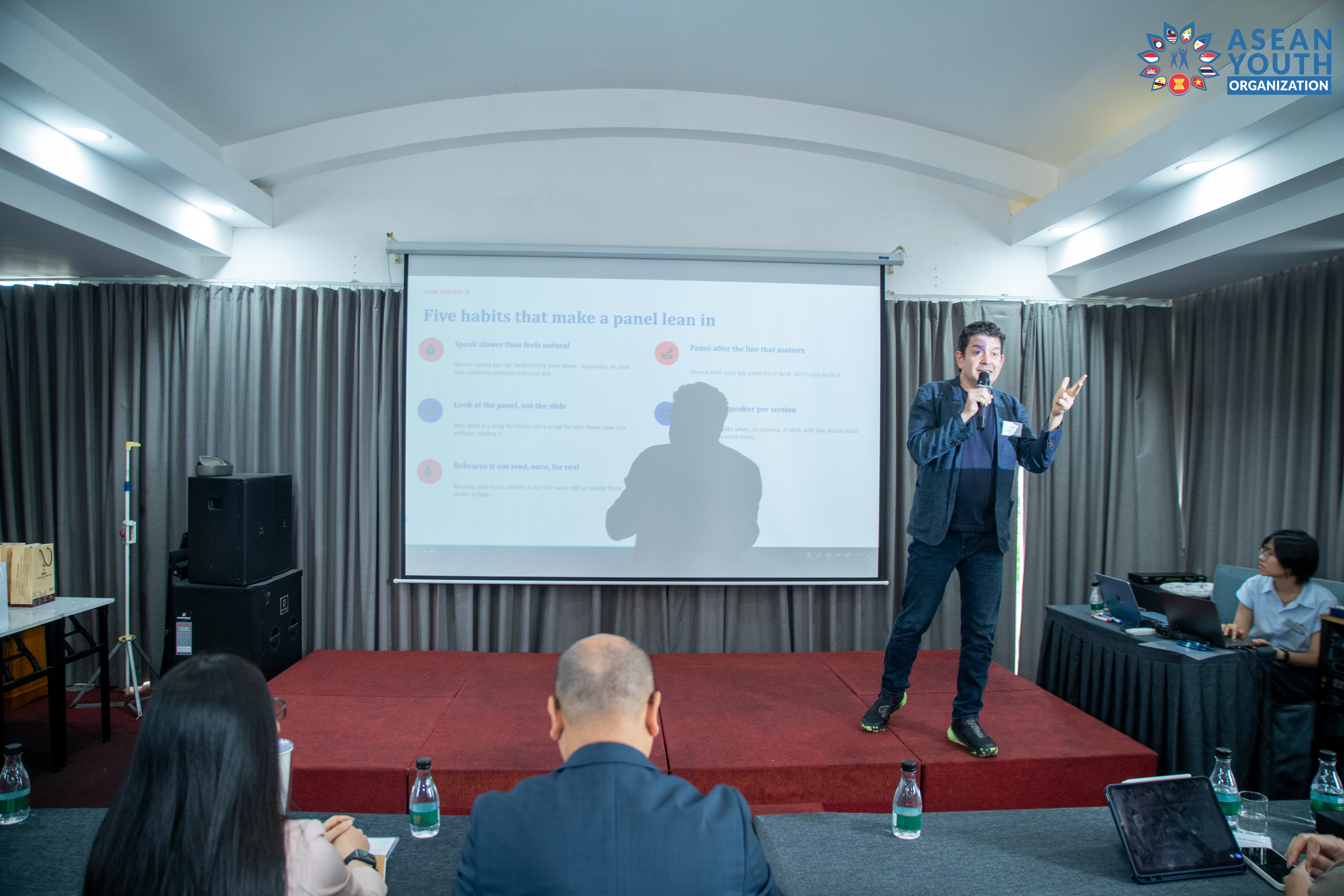
At the AYO Hackathon, where I volunteered as a communications coach and panel judge, there were sixty young people, aged 16 to 24, most of them with zero background in energy. Inside of their 24-hour deadline, many teams gave brilliant and wholly investable pitches to a live audience, financial projections, business models and all. I’m not sure any of the students could boast of being technical experts, but they demonstrated the importance of following a clear process, being open to learning in real time (about things like how to communicate under pressure) before then practicing their ideas and arguments over and again.

To me, funnily enough, some of these “soft-skills” are what newly promoted managers are never taught, and are just expected to somehow already have. Before promotion, your job is largely to be good at your own work. After promotion, your job can be to make other people good at theirs. You need to delegate, give feedback, have the awkward conversations, present upward, make calls with half the information you’d like, and try to get buy-in from people who don’t report to you.

All these things require skills that are not often taught in schools, nor in the workplace.

Which was more or less the theme at the Eurocham breakfast. The key note speakers, Allison Howell and Krista Pederson, walked through the (sizeable) gap between what employees say they want from their leaders and what leaders actually think they’re delivering. They also had smart things to say about AI’s disruption of leadership work, however the leadership gap was the line that stuck with me. Technical or positional authority doesn’t automatically come with the interpersonal instincts people are actually looking for.

And lastly, as speakers from ABB and Contagi explained, the very next day up in Hanoi, if you don’t fix these pieces, then people leave. The consensus in that room, more or less, was that this problem isn’t going away. If anything, it’s becoming more urgent as competition for good people intensifies.

In a recent Vietnam Enterprise Workforce Capability Readiness report, apparently 76% of companies surveyed now say they’re planning to invest more in leadership capability. Retention, succession and leadership capability get treated as three separate line items in most HR strategies. But having sat in those three rooms in one week, I’d argue all three are really just part of the same problem.

I’m not suggesting that any of this requires waiting for someone to fail as a manager before doing anything about it. Communication, presentation, emotional intelligence, negotiation, problem-solving, personal accountability – these can all be built into someone’s development from the get-go and long before they get promoted. Technical skills still matters enormously, and none of this is an argument for replacing it with “soft skills” but it’s an argument, in fact, for adding a second layer on top of it as someone’s responsibilities widen.

Vietnam has no shortage of talented, ambitious people. The opportunity isn’t attracting more of them from outside, I believe it’s helping the ones already inside your organisation grow into the roles you’ll need filled next year.

If your organisation is wrestling with any of this, then drop Coracle a line, as these issues are exactly what we’re spending our time at working on. Get in touch to share your experiences, or for a free consultation on how we could support your situation.

timbishop@coracleconsulting.net / http://www.coracleconsulting.net
What Drives Someone to Climb Everything: The Nirmal Purja Story


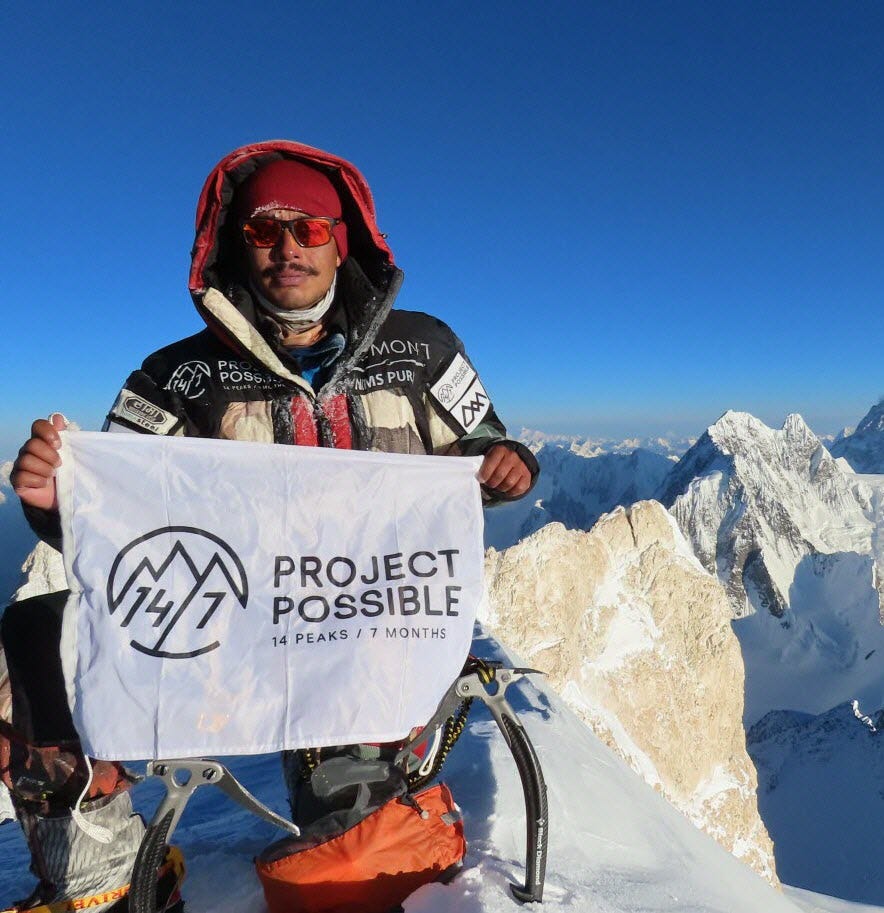
Nirmal Purja, in 2019 during his 14 Peaks Challenge.

When I started typing this on Friday, the man in the photo, Nirmal Purja, was missing along with nine others, following an avalanche that struck Broad Peak, one of the world’s highest mountain ranges in Pakistan.

Sadly, Purja’s death – and that of others in the group – was confirmed yesterday.

Soon enough, the lives and achievements of each of the ten climbers will be fully shared. And I’ve no doubt that, collectively, the miles they’ve undertaken, across some of the world’s most challenging terrains and topologies, will all be recorded for posterity.

When mountaineers are asked why they climb mountains, the famous refrain is “because it’s there.”

For Nirmal Purja, whose profile has been across these headlines, not only had he climbed mountains his whole life, but he’d dedicated a lot of his time to raising awareness about climate change in the process.

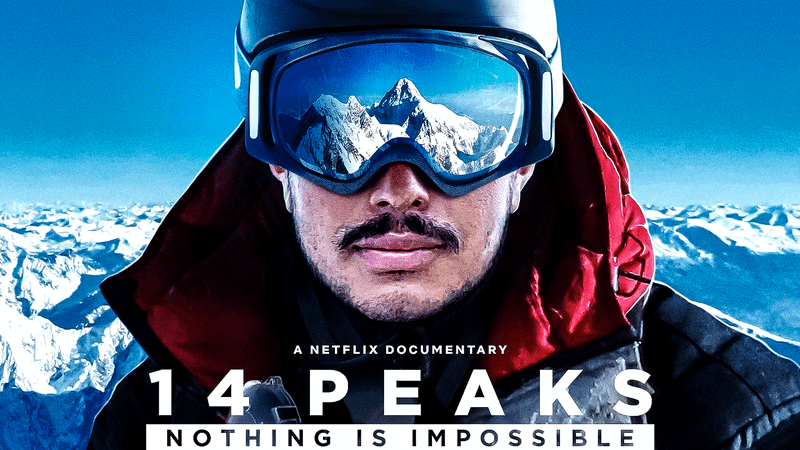
He’s famed for having summited each of the world’s 14 peaks that reach up over the 8,000 metre mark. He managed that in 2019, in just seven months – the previous record for such an achievement being eight years. The documentary of this feat is well worth watching.

Purja is Nepalese born and an ex-British armed forces soldier. Like many other Nepalese who guide climbers up and down Everest each season, it’s fair to say he’s “built different.”

The one time I visited Pokhara, in Nepal, on an expedition of sorts, was in 2002. While we only casually meandered around the famous tea-trails, rather than scaling vast heights, we still got to see just how hospitable, humble, and strong-as-oxes the local sherpas are. I recall them insisting on carrying our backpacks for us, with each guide squeezing three at a time into a wicker basket, whose strap was then slung around the guide’s forehead.

While we wore durable ankle boots, they were in simple footwear. They always went ahead to set up camp, ensuring a tea urn was at the ready for us, to wash down a round of snacks. We were all suitably exhausted as we turned in each night, leaving them to clean up.

This type of hospitality and kindness exists in many countries, and is often not only driven by the host’s desire to earn fat tips from tourists, but is more deeply rooted in the pride felt about one’s own country, and a desire that visitors will have a special time there.

Purja appears to have epitomised these humble traits and managed, in this lifetime (he turned 43 just eight days ago) to amass a portfolio of climbing that is perhaps unrivalled by anyone in our history. A phenomenal legacy in itself, added to which he also dedicated part of his adult life to the British Army and did more in recent years to raise awareness about the effects of climate change than some governments of the world can claim to have done.

What is it that drives an individual to such accomplishments, I wonder?

I looked into some old interviews he did and it’s quite clear that mindset is a key piece of the puzzle for Purja. He talked about it more than almost anything else. Asked what carried him through the military and onto the mountains, he pointed to the discipline of decision-making under pressure and what he calls simply a “positive mindset.” He’s said that people are largely limited by their own imagination – that if you can’t picture something, you’ll never attempt it, let alone achieve it.

Purja is explicit that his positive mindset isn’t a personality trait he was born with but a skill he built in the military and then deliberately carried into climbing. In that way proving that discipline can be transferred from one arena of life to a completely different one.

His record wasn’t necessarily broken because he had better lungs (although to me it’s also clear that he absolutely did have better lungs than most people) or better gear than anyone, but because he refused to accept that eight years was simply how long the task took. He removed any self-imposed limits on the whole thing and then committed fully, and planned relentlessly.

The other standout facet for me are from the side stories on his challenge, where he was generously trying to support others during his summiting. There were mini rescues of other climbers that he undertook, for example, and he seemed very conscious of trying to stay humble at all times while taking on this gargantuan goal.

Lastly, Purja talks about respecting what you can’t control. He explains he takes zero mountains for granted. Particularly poignant given he said this before setting off for Broad Peak itself.

It’s incredibly sad to read about the events of last Thursday on that mountain. For all the families and friends whose lives have also been altered in the process, and will never be the same, it’s an unfathomable task that they now face.

In that way, the accomplishment of Purja and his colleagues is both inspiring and quite maddening in perhaps equal doses.

However, for anyone attempting anything in their life that feels “challenging”, I think there’s a lot to learn from what people like Purja have demonstrated: which is that extraordinary outcomes are rarely the product of extraordinary luck – they can be, instead, the product of an ordinary decision, repeated with total discipline, until it stops looking ordinary at all.